Viking Ocean Alaska Cruises: Ships, Ports & What to Expect
Viking’s Alaska & the Inside Passage itinerary is typically a 10-night / 11-day sailing between Vancouver, British Columbia, and Seward (Anchorage), Alaska, operating in both directions depending on the season. The cruise travels through the Inside Passage, calling at gold rush-era ports and remote fjords aboard ships carrying fewer than 1,000 guests — a meaningful contrast to the mega-ships that dominate the Alaska cruise market.
Why Viking Ocean Works Exceptionally Well for Alaska
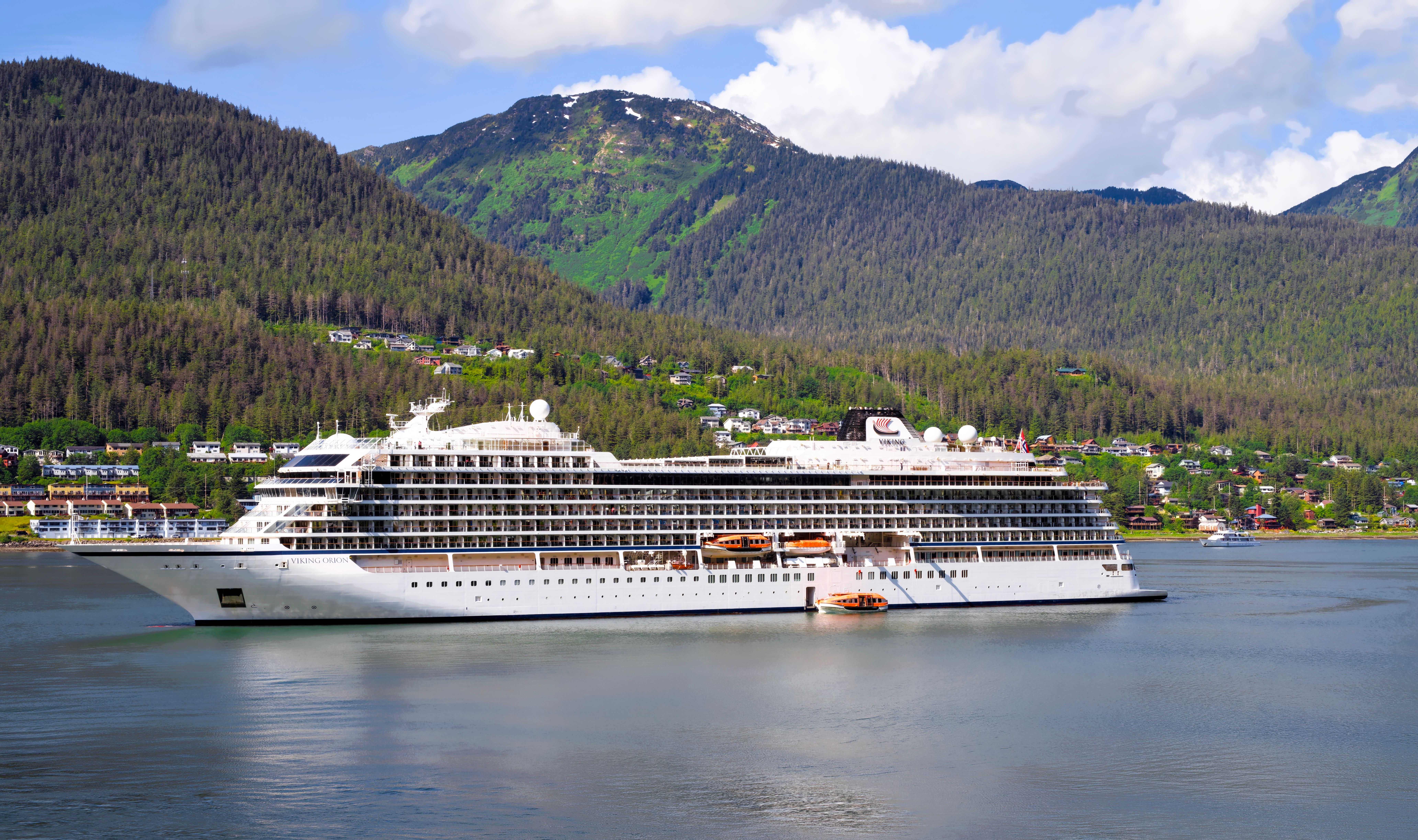
Small-ship access is the central advantage. Viking’s ocean fleet — with ships carrying roughly 930 to 998 guests depending on the vessel — offers a noticeably quieter and less crowded experience than the mega-ships common in Alaska. The all-veranda cabin design means virtually every passenger has an unobstructed outdoor space for wildlife spotting, a practical feature that pays dividends when humpback whales surface or bald eagles circle overhead.
Viking's destination-focused philosophy also aligns naturally with Alaska. The line doesn't build casinos, waterslides, or nightclubs into its ships. Instead, the emphasis falls on lectures from onboard Resident Historians, documentary screenings, and excursions that prioritize cultural and natural immersion. For a destination as content-rich as Alaska, that programming philosophy is a genuine asset.
Viking’s inclusive fare includes one shore excursion per port, free Wi‑Fi, all onboard meals, and beer, wine, and soft drinks with lunch and dinner, along with many onboard amenities — reducing many of the add‑on costs common on mainstream Alaska sailings.
Pro Tip: Because Viking's ships are all-veranda, there's no penalty for booking a standard stateroom. Even the entry-level Veranda cabin gives you a private outdoor space to watch Inside Passage scenery at any hour — including early morning glacier transits when the light is best.
Which Viking Ships Sail Alaska
Viking rotates its ocean ships across Alaska & Inside Passage itineraries seasonally, and multiple vessels from its sister-ship fleet have operated this route. Viking Orion and Viking Venus are the primary ships confirmed for Alaska sailings, with the 2027 season also featuring additional fleet deployments on select departures.
All Viking ocean ships share a similar design and are built at Fincantieri shipyards in Italy. Older vessels measure around 47,800–48,000 GT with 465 staterooms for 930 guests, while newer and upcoming ships are slightly larger at ~54,300 GT with 499 staterooms accommodating 998 guests. Despite these differences, layouts and amenities remain consistent, ensuring a refined and intimate Alaska cruise experience. Newer ships in Viking’s ocean fleet may also appear on Alaska itineraries in future seasons, but currently only Viking Orion and Viking Venus are confirmed for these sailings.
| Ship | Gross Tonnage | Guest Capacity | Crew | Built |
|---|---|---|---|---|
| Viking Sky | 47,800 GT | 930 | 550 | 2017 |
| Viking Orion | 47,800 GT | 930 | 550 | 2018 |
| Viking Jupiter | 47,800 GT | 930 | 550 | 2019 |
| Viking Venus | 47,800 GT | 930 | 550 | 2021 |
Note: Viking periodically adjusts which ship operates specific departures. Confirm your vessel at booking.
For a broader look at how Viking's ocean product compares to its river counterpart, see our guide to Viking Ocean vs. River Cruises: Which Is Right for You?.
Itinerary Breakdown: Ports of Call
The standard "Alaska and the Inside Passage" itinerary runs 11 days between Vancouver and Seward (or the reverse). The 2027 season operates Vancouver-to-Seward, with 2026 running Seward-to-Vancouver. Key ports include:
Seward, Alaska — The embarkation or disembarkation point. Nicknamed the "Gateway to the Kenai Fjords," Seward sits at the head of Resurrection Bay. The Alaska SeaLife Center, a working marine research facility and public aquarium, is a standout stop. Viking offers a guided tour as a bookable excursion.
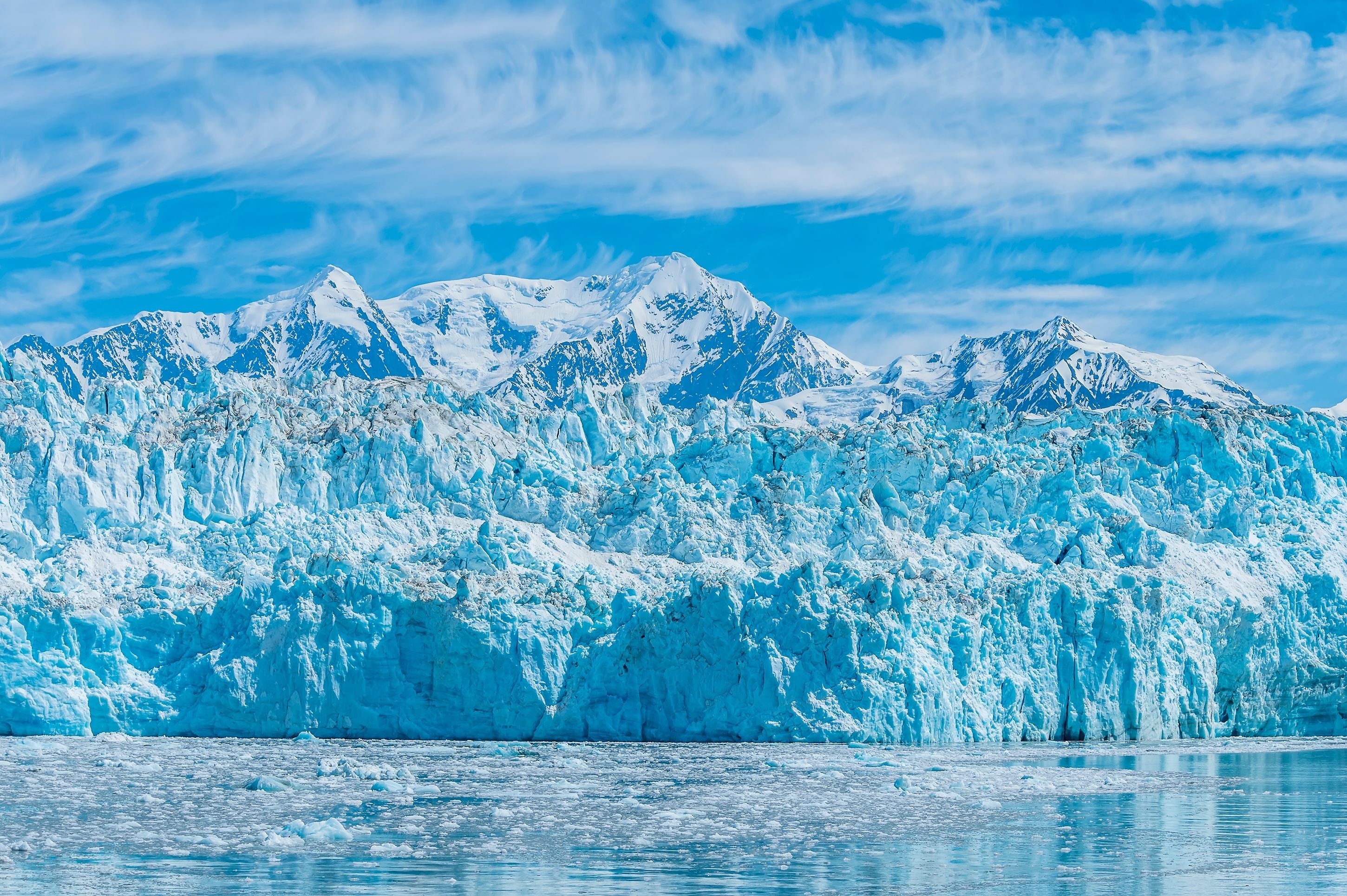
Hubbard Glacier — A scenic cruising highlight, not a port. At approximately 76 miles long, Hubbard is the largest tidewater glacier in North America accessible by cruise ship. The ship typically holds position for an extended period to allow passengers to observe calving events.
Yakutat Bay — A remote, seldom-visited anchorage that larger ships skip entirely. Viking's size advantage is evident here; the bay offers exceptional wildlife density and dramatic mountain scenery.
Juneau, Alaska — Alaska's capital and a standard Alaska cruise port. The Mendenhall Glacier is within easy reach, and whale-watching excursions in the surrounding waters are highly productive during summer months.
Skagway, Alaska — A well-preserved gold rush town with the White Pass & Yukon Route railroad as its signature excursion. The narrow-gauge railway climbs to the White Pass summit through switchbacks and trestles built in 1898.
Ketchikan, Alaska — Known for the highest concentration of standing totem poles in the world. Creek Street, the historic waterfront district, and the Misty Fjords National Monument floatplane tours are popular choices.
Sitka, Alaska — A historic port influenced by Russian colonial history. Sitka National Historical Park, St. Michael’s Cathedral, and wildlife viewing in Sitka Sound are popular highlights.
Icy Strait Point, Alaska — A Tlingit-owned cruise destination known for whale watching and wildlife tours. The surrounding waters of Icy Strait are among the most reliable places in Alaska to spot humpback whales.
Valdez, Alaska — A less-visited port located in Prince William Sound. Valdez offers access to glaciers, waterfalls, and dramatic fjord scenery rarely visited by large cruise ships.
Vancouver, British Columbia — The Canadian bookend to the itinerary. Stanley Park, Granville Island Market, and the Gastown district are all within easy reach of Canada Place cruise terminal.
Pro Tip: On the northbound sailing (Vancouver to Seward), you'll approach Hubbard Glacier from the south, typically reaching it mid-itinerary. Request a port-side cabin for the glacier approach on this direction — the ship usually positions with the port side facing the glacier face.
For deeper planning on Alaska port stops, our best Alaska cruise excursions guide covers what to book and what to skip at each port.
Cabin Categories and Best Rooms for Alaska Views
Viking's stateroom categories are simpler than most cruise lines. Every cabin has a veranda — there are no interior or oceanview-only options. The four main categories on Alaska sailings:
| Category | Approx. Size | Key Feature |
|---|---|---|
| Veranda (V) | ~270 sq ft incl. balcony | Entry-level; full balcony |
| Deluxe Veranda (DV) | ~270 sq ft incl. balcony | Midship location; larger bathroom |
| Penthouse Veranda (PV) | ~338 sq ft incl. balcony | Larger living area; walk-in closet |
| Explorer Suite (ES) | ~757 sq ft incl. balcony | Two rooms; wraparound balcony |
| Penthouse Junior Suite (PS) | ~405 sq ft incl. balcony | Suite-level space; larger living area |
For Alaska specifically, midship Deluxe Veranda cabins on decks 4–6 offer the most stable ride in rougher Gulf of Alaska waters and keep you close to the main public spaces without sacrificing views. The Explorer Suites have wraparound balconies that provide panoramic sightlines — worth the premium if glacier and fjord viewing is your priority.
Pro Tip: Avoid cabins directly below the Pool Deck (Deck 7) if you're a light sleeper — early-morning deck walkers can be audible in the cabins below. Deck 4 midship is the sweet spot for quiet and stability.
For general guidance on selecting the right stateroom type, see how to choose a room on a cruise ship.
Dining and the Onboard Experience
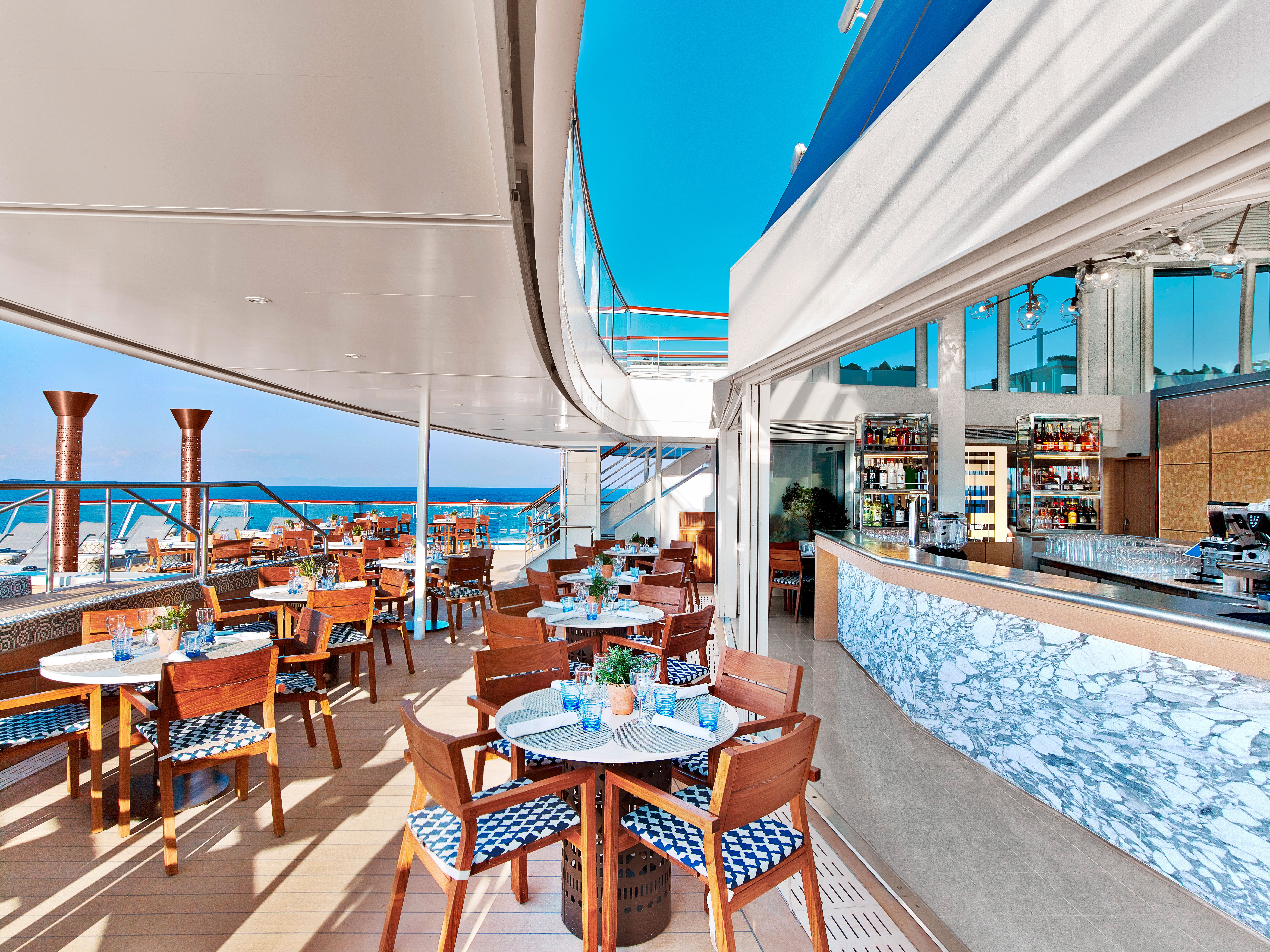
Viking's dining model is restaurant-style throughout, with no buffet-first mentality. The World Café serves as the casual all-day venue with open-seating and a rotating menu tied to destinations. The main Restaurant operates with flexible dining times (no fixed seating or dining times). Two specialty restaurants — Manfredi's Italian Kitchen and The Chef's Table — are included in the fare, though reservations book quickly.
For Alaska specifically, the kitchen sources regional seafood on itinerary. Dungeness crab, halibut, and Alaskan king salmon appear on menus during the Alaska season — a detail that matters on a destination-focused line.
The Aquavit Terrace, a glass-enclosed outdoor lounge at the ship's stern, is arguably the best spot on any Viking ship for Alaska sailing. Positioned aft with unobstructed views, it's where most passengers gather during glacier and fjord transits with a glass of the complimentary aquavit in hand.
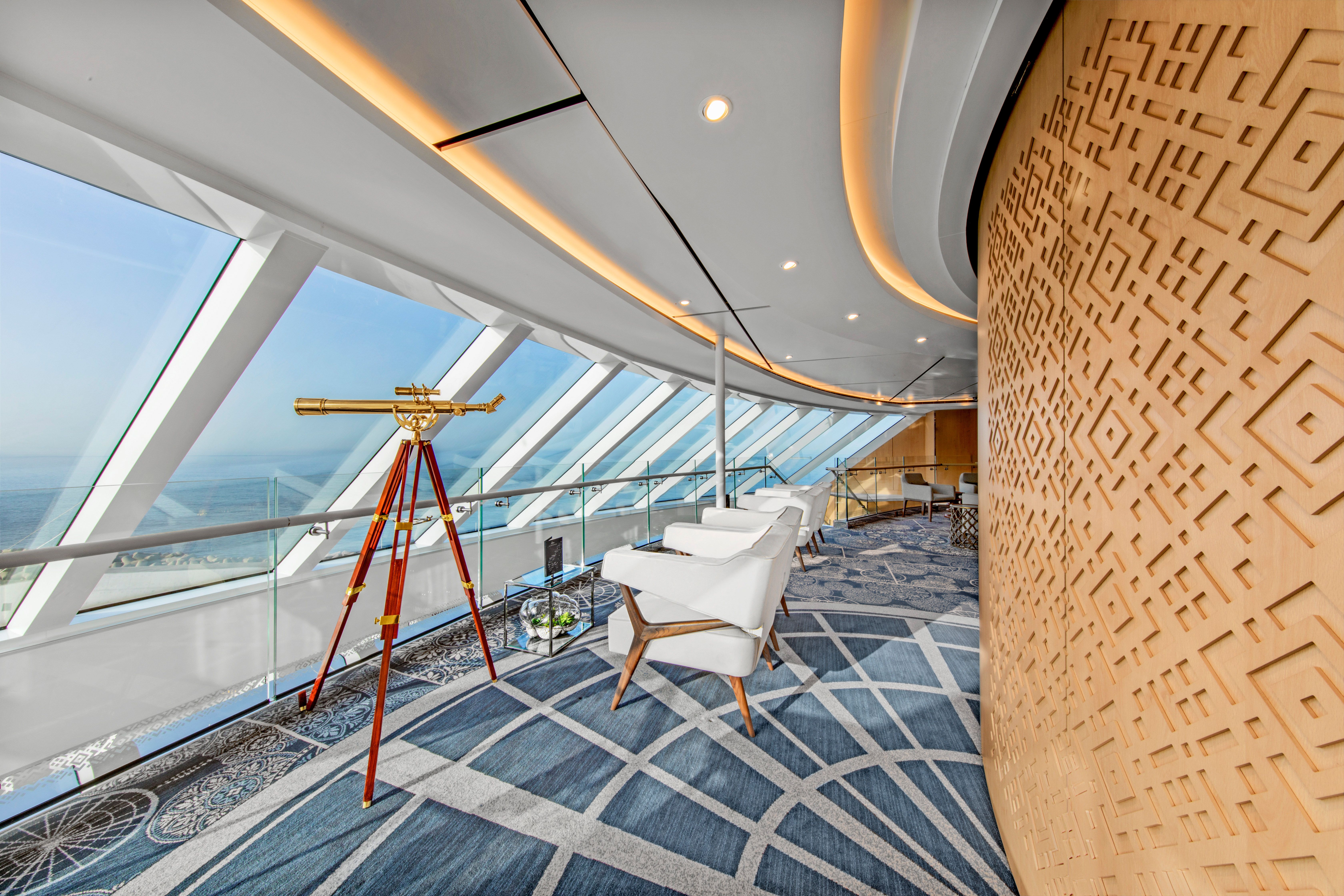
The Explorers' Lounge at the bow offers forward-facing views from a quiet library-style setting — ideal for early-morning Inside Passage transits when wildlife activity peaks.
Excursions and Expedition Activities

Viking bundles one included shore excursion per port into the base fare. These tend to be orientation-style tours — a guided walk, a cultural center visit, a scenic drive. They're a reasonable introduction to each port but rarely the most immersive option available.
Standout included excursions on the Alaska itinerary:
- Guided tour of the Alaska SeaLife Center (Seward)
- Totem Heritage Center cultural tour (Ketchikan)
- Skagway historic district walking tour
Premium excursions worth the add-on cost:
- Helicopter glacier hike (Juneau) — lands on the Mendenhall or Taku Glacier for a guided walk on the ice
- White Pass & Yukon Route Railroad (Skagway) — the full summit excursion takes approximately 3 hours round-trip
- Misty Fjords floatplane tour (Ketchikan) — the only practical way to see the monument's interior
- Resurrection Bay wildlife cruise (Seward) — Viking charters a private vessel for this; the protected bay waters typically yield sea otters, Steller sea lions, and seabirds
Pro Tip: Book helicopter glacier hikes immediately when your booking opens — these excursions sell out months in advance and Viking's own allocation fills before third-party operators. Weather cancellations are common, but Viking's policy typically provides a refund or rebooking option.
If you're planning to spot wildlife from the deck, our best binoculars for an Alaska cruise guide covers the right optics for the conditions.
Viking vs. Other Premium Alaska Lines
Viking occupies a specific niche: premium-inclusive small-ship cruising without the expedition-style pricing of Silversea or Seabourn. Here's how it stacks up against the most common alternatives:
| Line | Ship Size | Guests | Inclusions | Alaska Focus |
|---|---|---|---|---|
| Viking Ocean | ~47,800–54,300 GT | ~930–998 | High (excursions, Wi-Fi, gratuities, most drinks) | Inside Passage + Seward/Kenai |
| Oceania Cruises | ~66,000 GT | ~1,200 | Moderate (varies by package) | Inside Passage standard ports |
| Silversea | ~40,700 GT | ~728 | Ultra-all-inclusive | Expedition-style, deeper access |
| Holland America | ~82,000 GT | ~2,668 | Low (add-on packages) | Inside Passage; Glacier Bay |
| Norwegian Cruise Line | ~155,000 GT | 4,000+ | Low | Mainstream; large-ship experience |
Viking's position: more inclusive and destination-focused than Holland America or NCL, more accessible in price than Silversea, and operating ships large enough to offer genuine onboard amenities (pools, multiple restaurants, spa) that pure expedition vessels lack.
For a head-to-head comparison of Viking against another premium competitor, see Viking Ocean vs. Oceania Cruises: Which Premium Line Wins?. If you're still weighing Alaska cruise lines more broadly, our best cruise lines to Alaska guide covers the full competitive field.
Booking Tips and Best Time to Book

When to sail: The Alaska cruise season runs May through September. Late June through mid-August offers the best combination of wildlife activity, daylight hours (up to 18 hours in Juneau in June), and calmer Gulf of Alaska weather. May sailings offer lower fares and smaller crowds but carry higher odds of rain and limited wildlife visibility. September brings dramatic fall light and frequent whale activity but cooler temperatures.
For a full seasonal breakdown, see our guide on the best time of year for an Alaska cruise.
When to book: Viking Alaska sailings — especially popular summer departures — typically sell out 12–18 months in advance. The line periodically runs promotional fare windows, offering reduced deposits and special fares on select departures. Booking early also secures the best cabin selection, particularly for Explorer Suites and midship Deluxe Veranda cabins.
Land extensions: Viking offers post-cruise land packages that extend the trip into interior Alaska. Options include:
- Anchorage (2 nights, from ~$1,699) — explore Anchorage and surrounding landscapes
- Denali Explorer (5 nights, from ~$5,399) — includes Denali National Park, Talkeetna, and Fairbanks
- Pristine Alaska (6 nights, from ~$5,999) — similar inland routing with additional guided experiences
- Best of Alaska (6 nights, from ~$6,499) — the most comprehensive inland tour with extended guided content
These extensions are worth serious consideration — Denali National Park is a 6-hour drive from Seward and not easily combined with the cruise independently.
Pro Tip: If you're adding a land extension, book the Seward-embarkation direction (flying into Anchorage, doing the land tour first, then boarding in Seward). This means you end in Vancouver — a much easier international flight hub than Anchorage for most North American cities.
Key Takeaways
- Viking's 11-day Alaska itinerary sails between Vancouver and Seward, operating both directions seasonally, with the 2027 season running Vancouver-to-Seward.
- Ships carry 930-998 guests with an all-veranda design — every cabin has private outdoor space for wildlife and glacier viewing.
- The inclusive fare structure (excursions, Wi-Fi, gratuities, most beverages) makes total-cost comparisons favorable against mainstream lines with add-on pricing.
- Hubbard Glacier and Yakutat Bay are the itinerary's standout scenic moments; helicopter glacier hikes in Juneau are the most-requested premium excursion and sell out early.
- Land extensions to Denali and Fairbanks are available from ~$3,599 and are logistically simpler to book through Viking than to arrange independently.
Frequently Asked Questions
Q: How many passengers does a Viking Ocean Alaska cruise ship hold?
All Viking ocean ships carry between 930 and 998 guests depending on the vessel. This is roughly half the capacity of Holland America's mid-size ships and less than a quarter of Norwegian Cruise Line’s larger vessels, translating to a noticeably quieter experience at ports and onboard.
Q: Does Viking's Alaska cruise include Glacier Bay National Park?
Viking’s Alaska & the Inside Passage itinerary emphasizes scenic cruising through the Inside Passage and glacier highlights such as Hubbard Glacier and Yakutat Bay. While some specific sailings may include Glacier Bay when scheduled and permitted, it is not a guaranteed or consistent feature on every Viking Alaska cruise.
Q: What is included in the Viking Alaska cruise fare?
Viking's base fare includes one shore excursion per port, all onboard meals (including specialty restaurants), Wi-Fi, gratuities, and a beverage package covering beer, wine, soft drinks, and specialty coffees during meals and select hours. Premium spirits and certain cocktails are available at an additional charge.
Q: Can I extend a Viking Alaska cruise with a land tour to Denali?
Yes. Viking offers several pre‑ or post‑cruise land extensions that take you inland to Denali National Park, Fairbanks, Talkeetna, and Anchorage. Typical options include the 5‑night Gateway to Denali or Denali Explorer packages and 6‑night extensions like Pristine Alaska and Best of Alaska. Prices vary by itinerary and season but generally start from around $3,599–$6,499 per person depending on the package and length.
Q: What is the best cabin category on a Viking Alaska cruise for scenery?
The Explorer Suite offers the most panoramic views thanks to its wraparound balcony. For travelers who don't need suite-level space, midship Deluxe Veranda cabins on Decks 4–6 offer the best balance of stability, views, and value. All cabins include a private veranda, so even the entry-level Veranda category provides meaningful outdoor access.
Q: How far in advance should I book a Viking Alaska cruise?
Popular summer departures — particularly July sailings — regularly sell out 12–18 months ahead. Viking also runs limited promotional fare windows that offer reduced deposits and special pricing. Booking at least a year in advance is strongly recommended to secure preferred cabin categories and excursion availability.
Fast Facts
- Best For: Adults seeking a destination-focused, small-ship Alaska experience with strong inclusions and minimal onboard noise
- Price Range: Fares typically start from the mid-$3,000s per person for Veranda cabins on 11-day sailings; Explorer Suites command a significant premium
- Ship Capacity: 930 guests (all-veranda fleet)
- Itinerary Length: 11 days (Vancouver ↔ Seward)
- Key Ports: Vancouver, Ketchikan, Skagway, Juneau, Yakutat Bay, Hubbard Glacier, Seward
- Best Time to Book: 12–18 months in advance; watch for March promotional fare windows
- Best Sailing Window: Late June through mid-August for wildlife, weather, and daylight
- Top Add-On: Helicopter glacier hike in Juneau (book immediately at opening)
- Land Extension Starting From: ~$3,599 for 5-night Denali Explorer package
- Top Pick: Viking Orion or Viking Sky, midship Deluxe Veranda, July departure, with Denali Explorer post-cruise extension