Viking Ocean vs. Oceania Cruises: Which Premium Line Wins?
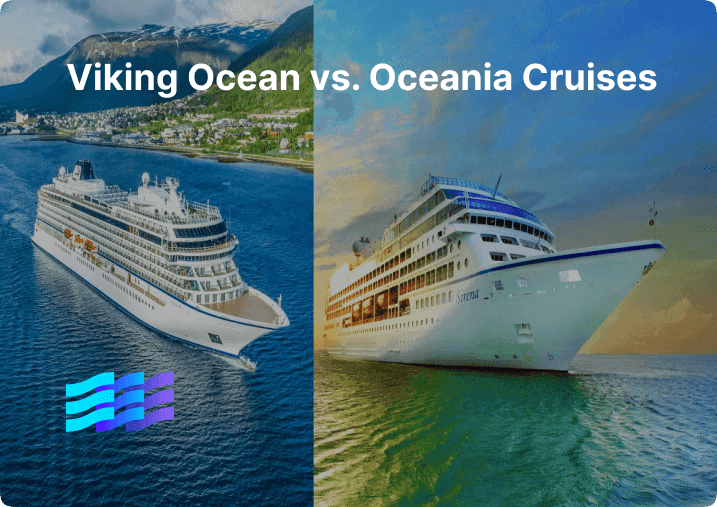
Both Viking Ocean and Oceania Cruises are top-tier premium lines, appealing to different types of travelers. Viking leads with Scandinavian-minimalist design, cultural enrichment programming, and a highly structured voyage experience, while Oceania builds its identity around culinary excellence, slightly more flexible ship sizes, and a broader range of itinerary options. The right choice comes down to whether you prioritize what you learn on a voyage or what you eat.
Who Each Line Is For
Viking Ocean is purpose-built for travelers who treat cruising as an extension of intellectual curiosity. The line accepts no passengers under 18, there are no casinos, and the programming leans heavily toward destination lectures, cultural performances, and museum partnerships.
Oceania Cruises attracts a similar age group but with a different priority set. The line's tagline — "Your World. Your Way." — reflects a more relaxed, guest-directed experience. Oceania is renowned for its culinary program, which it markets as "The Finest Cuisine at Sea." While the atmosphere is equally refined, it's less structured than Viking. Historically, Oceania accepted children from 12 months on select sailings, but as of January 7, 2026, the line only accepts guests aged 18 and older on all new bookings — the same minimum age Viking has enforced since its launch.
Fleet and Ship Size Comparison

Viking operates a growing fleet of all‑veranda ocean ships, including Viking Star, Sea, Sky, Orion, Jupiter, Venus, Mars, Neptune, and Saturn, along with newer additions Vela and Vesta — with each ship accommodating approximately 930–998 passengers. Further sister ships — Mira, Libra, Astrea, and Lyra — are scheduled to join the fleet through 2028 as the line expands its small‑ship program. This uniformity is intentional: you know exactly what you're getting regardless of which ship you book.

Oceania’s fleet is more diverse. The line operates the smaller R-class ships (Insignia, Regatta, Nautica, Sirena) carrying around 684 passengers, and the larger Oceania-class vessels (Marina, Riviera) carrying approximately 1,250 passengers. The newest additions — Vista (2023) and Allura (2025) — are the largest in the fleet at roughly 1,200 passengers. For a detailed look at what Oceania's newest ship offers, see our Oceania Allura guide.
| Feature | Viking Ocean | Oceania Cruises |
|---|---|---|
| Fleet size | 11 ships in service (4 more planned through 2028) | 9 ships |
| Passenger capacity | ~930–998 per ship | 684–1,250 per ship |
| Gross tonnage | ~47,800–50,000 GRT | 30,000–67,000 GRT |
| Ship consistency | Identical sister ships | Mixed fleet (R-class + Oceania-class) |
| Children allowed | No (under 18 banned) | No (18+ on all new bookings) |
| Casino onboard | No | Yes |
| Adults-only policy | Strictly enforced | No |
Viking's standardized fleet means crew training, cabin layouts, and onboard programming are highly consistent. Oceania's variety means your experience on Regatta (684 guests) will feel noticeably more intimate than on Allura (1,200 guests).
Itineraries and Destinations
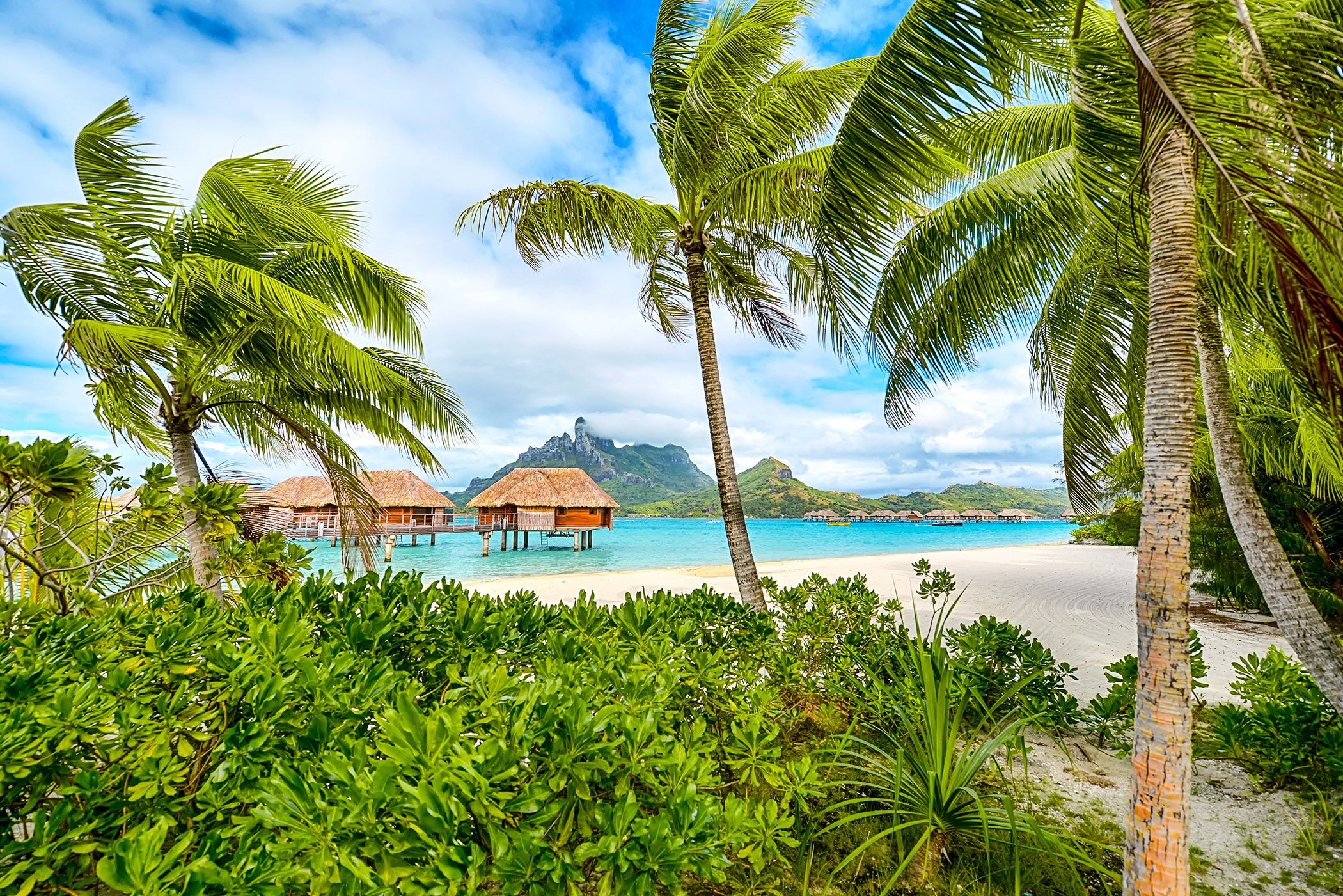
Both lines cover similar global territory — Europe, the Americas, Asia, and the South Pacific — but with distinct emphases.
Viking's itinerary design is tightly tied to its enrichment philosophy. The line excels in Northern Europe and Scandinavia (its home turf), offering sailings to Norway, Iceland, and the Baltic that few lines match for depth. Viking also invests in shoulder-season and off-peak departures, making it a strong choice for travelers who want to avoid peak-summer crowds in popular ports. Longer voyages, including world cruises, are a Viking specialty.
Oceania covers similar ground but with a stronger showing in Alaska, South America, and Africa. The line's port-intensive itineraries — often featuring two ports per day or overnight stays — are a major draw. Oceania ships frequently dock in smaller, less-visited ports where larger ships can't fit, particularly on the R-class vessels. If a Japan cruise is on your radar, both lines offer compelling options — see our guide to best Japan cruises for every type of traveler for context on how premium lines compare.
Pro Tip: Viking includes one free shore excursion per port in every fare. Oceania does not include excursions by default, though its "Simply More" package (now standard on many bookings) adds a shore excursion credit. Read the fine print carefully — Viking's included excursion is often a basic overview tour, while Oceania's credit can be applied to more specialized options.
| Destination | Viking Ocean | Oceania Cruises |
|---|---|---|
| Northern Europe / Scandinavia | ★★★★★ | ★★★ |
| Mediterranean | ★★★★ | ★★★★★ |
| Alaska | ★★★ | ★★★★ |
| South America | ★★★ | ★★★★ |
| Africa | ★★ | ★★★★ |
| Asia / Japan | ★★★★ | ★★★★ |
| World Cruises | ★★★★★ | ★★★★ |
Dining Comparison

This is where the two lines diverge most sharply, and where Oceania holds a clear competitive advantage for food-focused travelers.
Oceania's dining program is genuinely exceptional. The line employs a culinary team that has trained at Le Cordon Bleu, and its specialty restaurants — Red Ginger (Asian fusion), Jacques (French brasserie), Polo Grill (steakhouse), and Toscana (Italian) — are consistently ranked among the best at sea. The Grand Dining Room on Oceania ships operates with an open-seating policy and a menu that rotates daily. On Marina and Riviera, the La Reserve wine-paired dining experience elevates things further. Our Oceania Riviera review covers the dining program in detail, including the Alaska-specific menus.
Viking's dining program is excellent but positions itself differently. Specialty restaurants — Manfredi's (Italian) and The Chef's Table (prix-fixe tasting menu) — are included in the fare with no surcharge, which is a meaningful differentiator. The World Café buffet is above average for a ship of its size, and the main restaurant, The Restaurant, offers open seating with a menu that reflects the current itinerary region. The Chef's Table experience, a multi-course dinner with wine pairings, is a genuine highlight that competes directly with Oceania's best.
| Dining Feature | Viking Ocean | Oceania Cruises |
|---|---|---|
| Specialty restaurants included | Yes (Manfredi's, Chef's Table) | No (surcharge applies on some ships) |
| Number of specialty restaurants | 2 | 4–5 depending on ship |
| Culinary reputation | Strong | Industry-leading |
| Open seating MDR | Yes | Yes |
| Cooking classes | Yes (The Kitchen Table) | Yes (Culinary Center on Marina/Riviera) |
| Room service | Included, 24-hour | Included, 24-hour |
Pro Tip: Viking's The Kitchen Table experience — a shore excursion that includes a local market visit and onboard cooking class — is one of the most distinctive food experiences at sea and is offered on select itineraries. It costs extra but is worth budgeting for.
Cabin and Suite Comparison

Viking's cabin philosophy centers on the veranda. Every single stateroom on every Viking Ocean ship comes with a private veranda — there are no interior or oceanview-only options. Standard veranda staterooms run approximately 270 square feet plus a 45-square-foot veranda, which is generous for the premium segment. Suites range from the Penthouse Junior Suite to the sprawling Explorer Suite at over 1,400 square feet.
Oceania's cabin mix is more traditional. The R-class ships include interior and oceanview cabins alongside balconies and suites, while the newer Oceania-class and Vista-class ships offer a higher proportion of veranda staterooms. Oceania's Penthouse Suites and Owner's Suites are exceptionally well-appointed, and the line's butler service in suite categories is a standout feature. For guidance on choosing the right cabin category on any ship, our article on how to choose a room on a cruise ship covers the key variables.
| Cabin Category | Viking Ocean | Oceania Cruises |
|---|---|---|
| Guaranteed veranda for all? | Yes — every cabin | No — varies by ship class |
| Standard cabin size | ~270 sq ft + 45 sq ft veranda | Varies: 160–216 sq ft (interior to veranda) |
| Entry-level suite | Penthouse Junior (~757 sq ft) | Penthouse Suite (~420 sq ft) |
| Butler service | In suites | In Penthouse and above |
| Bathroom quality | Walk-in rain shower, heated floors | Varies; suites feature tubs |
| Solo cabins | Limited availability | Limited availability |
Pro Tip: Viking's veranda guarantee is a genuine differentiator. On a 14-night Norway or Iceland itinerary, having private outdoor space to watch fjord scenery at midnight sun is worth the premium over an interior cabin on any ship.
Pricing and Value Analysis
Both lines sit in the premium segment, priced above mainstream lines like Norwegian or Celebrity but below ultra-luxury lines like Seabourn or Silversea. That said, their pricing structures differ in ways that affect true out-of-pocket cost.
Viking fares are more inclusive by design. Every booking includes: round-trip airfare (on many promotions), transfers, a shore excursion in each port, all onboard meals including specialty dining, Wi-Fi, beer and wine with lunch and dinner, and gratuities. This makes sticker price comparisons misleading — a Viking fare that looks 20% higher than Oceania may actually be cheaper once you add up Oceania's à la carte costs.
Oceania has moved toward a more bundled model with its "Simply More" program, which typically includes a beverage package and shore excursion credits. However, premium beverage packages, specialty dining on some ships, and gratuities may still be additional depending on the promotion. Fares typically start from around $3,000–$4,000 per person for a 10-night sailing in a standard cabin, with suites reaching well into five figures.
Pro Tip: When comparing quotes, build a "total cost" spreadsheet that adds estimated excursion spending, gratuities, Wi-Fi, and specialty dining to the base fare for each line. Viking's all-in pricing frequently wins on total value even when the base fare appears higher.
For a broader look at how cruise pricing and value stack up across the industry, our piece on why cruises offer the best travel value provides useful context.
Onboard Experience and Enrichment

The onboard atmosphere is where Viking and Oceania feel most different day-to-day.
Viking structures its sea days around the destination. Expect enrichment lectures from historians, archaeologists, or local experts relevant to the next port. The Explorer's Lounge — a two-deck observation space at the bow — is designed for scenic watching and quiet contemplation. The Wintergarden offers afternoon tea service in an elegant conservatory setting. Viking's spa, the LivNordic Spa, draws on Nordic wellness traditions and includes a thermal suite with heated loungers, snow grotto, and hydrotherapy pool. There is no casino, no waterslide, and no high-decibel entertainment — by design.
Oceania leans into relaxed luxury. The line offers art classes, wine tastings, cooking demonstrations, and enrichment lectures, but the programming is less structured and destination-specific than Viking's. Evening entertainment tends toward intimate performances, live music in the Martini Bar or Horizons lounge, and occasional production shows. Oceania ships also feature a casino. The overall vibe is closer to a fine hotel at sea than an educational institution.
| Onboard Feature | Viking Ocean | Oceania Cruises |
|---|---|---|
| Casino | No | Yes |
| Destination lectures | Extensive, curated | Available, less structured |
| Thermal spa suite | Included (LivNordic) | Available (fee on most ships) |
| Evening entertainment | Cultural, destination-themed | Intimate performances, live music |
| Signature spaces | Explorer's Lounge, Wintergarden | Horizons, Martini Bar |
| Fitness center | Yes | Yes |
| Cooking classes | The Kitchen Table (fee) | Culinary Center (fee, Marina/Riviera) |
Loyalty Programs
Neither Viking nor Oceania runs a traditional tiered loyalty program in the way that mainstream lines do, which surprises many repeat cruisers.
Viking offers the Viking Explorer Society, a simple recognition program for past guests. Benefits include discounts on future sailings (typically 5% for past guests), invitations to exclusive events, and access to special promotions. There are no formal tiers based on nights sailed.
Oceania operates the Oceania Club, which does include tiers: Waitlist, Bronze, Silver, Gold, Platinum, and Chairman's. Each tier unlocks incremental benefits including onboard credits, priority embarkation, and discounts. Reaching Gold (after 20 sailings) and above delivers the most meaningful perks.
For travelers who cruise frequently and want to maximize loyalty rewards, Oceania's structured program offers more tangible long-term value. For a broader comparison of how cruise loyalty programs stack up across the industry, see our guide to cruise loyalty programs in 2025.
Pro Tip: Both lines periodically offer "Past Guest" sales that can deliver 10–15% savings on select sailings. Signing up for email communications from both lines — even if you haven't sailed with them yet — puts you on the promotional list before you book your first voyage.
Key Takeaways
- Viking wins on inclusion and consistency: every cabin has a veranda, every specialty restaurant is included, and the enrichment programming is the most structured at this price point.
- Oceania wins on culinary depth: the dining program — particularly on Marina, Riviera, Vista, and Allura — is genuinely industry-leading, with more specialty restaurant variety than Viking.
- Itinerary depth favors Viking in Northern Europe; Oceania has the edge in South America and Africa.
- Both lines now operate as adults-only (18+), making them strong choices for travelers seeking a quieter, child-free environment.
- True value is closer than sticker prices suggest: Viking's bundled model often matches or beats Oceania's total cost once excursions, gratuities, and beverages are factored in.
Verdict: Which Line Wins for You?
Choose Viking Ocean if: You want a completely alcohol-optional, casino-free, child-free environment where every sea day has intellectual purpose. You value veranda access as a given, not an upgrade. You're drawn to Northern Europe, Iceland, or longer world voyage itineraries. You prefer knowing your total cost upfront without building a spreadsheet.
Choose Oceania if: Dining is your primary lens for evaluating a cruise. You want more specialty restaurant variety, a livelier onboard atmosphere, and a structured loyalty program that rewards repeat sailings. You're considering Alaska, South America, or Africa, where Oceania's itinerary depth is stronger. Oceania is also an adults-only (18+) line, so the onboard environment is similarly geared toward mature travelers.
Both lines are genuinely excellent, and travelers who have sailed both frequently cite them as the best back-to-back comparison in the premium segment. The gap between them is a matter of philosophy, not quality.
Frequently Asked Questions
Q: Is Viking Ocean truly all-inclusive?
Viking Ocean fares include a veranda cabin, all onboard dining (including specialty restaurants), beer and wine with meals, Wi-Fi, gratuities, one shore excursion per port, and round-trip airfare on many promotional fares. Premium spirits, spa treatments, and some specialty excursions are extra. It is one of the most inclusive fare structures in the premium segment, though not technically "ultra-luxury all-inclusive" in the way Seabourn or Regent Seven Seas are.
Q: Which line has better food — Viking or Oceania?
Oceania is widely regarded as having the stronger culinary program, particularly for variety and creativity. The line's specialty restaurants — Red Ginger, Toscana, Polo Grill, and Jacques — are consistently cited as among the best at sea. Viking's dining is excellent and benefits from the inclusion of specialty restaurants in the fare, but Oceania's sheer culinary depth gives it the edge for food-focused travelers.
Q: Can children sail on Viking Ocean Cruises?
No. Viking Ocean enforces a strict minimum age of 18 on all sailings. There are no exceptions. Oceania also transitioned to an adults-only policy effective January 7, 2026 — guests must be 18 or older on new bookings to sail. Existing bookings that include minors will still be honored.
Q: How far in advance should I book Viking or Oceania?
Both lines' most popular itineraries — particularly Northern Europe, Iceland, and Mediterranean summer sailings — sell out 12–18 months in advance. For world cruises on either line, 18–24 months is not unusual. Booking early also captures the best cabin selection and early-booking promotional pricing, which both lines offer regularly.
Q: Do Viking and Oceania visit the same ports?
There is significant overlap in popular regions like the Mediterranean, British Isles, and Asia, but the lines diverge meaningfully in their emphasis. Viking dominates in Scandinavia and Northern Europe; Oceania has stronger programming in South America and Africa. Both operate world cruises that touch most major global regions.
Q: Which line is better for solo travelers?
Both lines charge solo supplements, which can be significant. Viking periodically offers reduced or waived solo supplements on select sailings, making it one of the better premium options for solo travelers. Oceania also runs solo supplement promotions but less consistently. Check our guide to the best cruises for solo travelers for a broader comparison.
Fast Facts
- Best For: Mature travelers (55+) seeking premium, destination-focused experiences without mainstream cruise crowds
- Price Range: Fares typically start from $3,000–$5,000 per person for a 10–12 night sailing; suites and world voyages reach well into five figures
- Best Time to Book: 12–18 months in advance for peak-season European itineraries; 6–9 months for shoulder-season and repositioning sailings
- Viking Best For: Cultural immersion, Northern Europe itineraries, adults-only environment, all-inclusive value
- Oceania Best For: Culinary excellence, Mediterranean and South American itineraries, structured loyalty rewards, more dining variety
- Top Viking Pick: Viking Neptune or Viking Saturn (newest ships, same great formula)
- Top Oceania Pick: Oceania Allura (2025 debut, most current hardware and dining venues)
- Loyalty Program Winner: Oceania Club (tiered, with meaningful repeat-guest benefits)
- Dining Winner: Oceania Cruises
- Value Winner: Viking Ocean (on a total-cost basis)