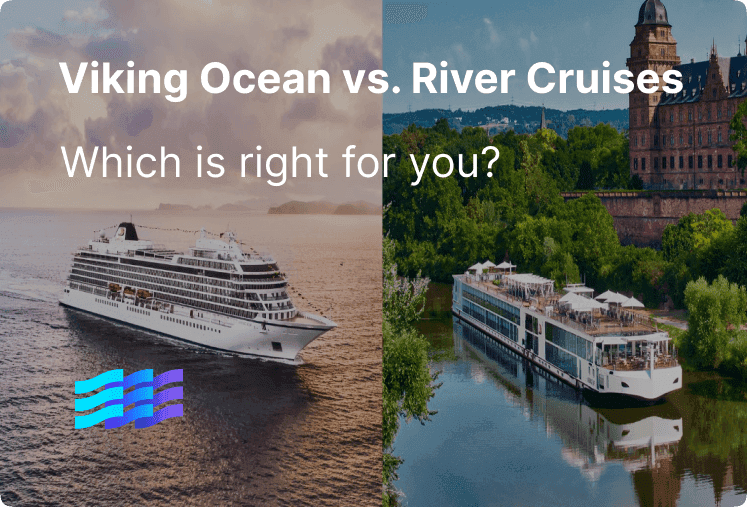
Viking Ocean vs. River Cruises: Which Is Right for You?
Viking offers two genuinely distinct cruise experiences that happen to share a brand. Viking River Cruises operate intimate longships carrying around 190 passengers through the historic waterways of Europe and beyond, while Viking Ocean ships carry up to 930 guests on global itineraries spanning every continent. Choosing between them comes down to what you want to do each day—and how much of the ship versus the destination you want to experience.
Two Very Different Products Under One Brand
Viking built its reputation on European river cruising before launching its ocean division in 2015. As of early 2026, the company operates a massive fleet of more than 100 ships, including a large river fleet and 11 ocean vessels, with additional ocean ships scheduled through 2028. This highlights where Viking’s roots in European river cruising remain. Both products share a consistent philosophy: destination-focused itineraries, Scandinavian design, no casinos, no children under 18, and an included shore excursion in every port. Beyond those shared values, the two experiences diverge significantly in scale, pace, and geography.
Ship Size and Onboard Experience

Viking river longships—including the flagship Viking Longship class—carry approximately 190 passengers on vessels roughly 443 feet long. That's small enough to navigate the locks of the Rhine-Main-Danube Canal and dock directly in town centers. Public spaces are elegant but compact: a single main restaurant, a panoramic lounge, an aquavit terrace, and a small sun deck. The intimacy is the point. You'll see the captain at breakfast.

Viking ocean ships—including Viking Star, Viking Sky, Viking Sea, Viking Jupiter, and newer vessels—carry approximately 930–998 passengers. Most measure around 745 feet long, with the newest ships slightly larger. That's still boutique by ocean cruise standards—roughly one-fifth the capacity of a Royal Caribbean Oasis-class ship—but meaningfully larger than a river longship. Onboard, you'll find multiple dining venues (including Manfredi's Italian Restaurant and The Chef's Table), a full-size pool, a thermal spa, a small cinema, and the iconic Explorers' Lounge at the bow.
| Feature | Viking River | Viking Ocean |
|---|---|---|
| Passenger capacity | ~190 | ~930–998 (larger for newer ships) |
| Ship length | ~443 ft | ~745–784 ft |
| Dining venues | 1 main restaurant + lounge | 5+ including specialty dining |
| Pool | Plunge pool / sun deck | Full outdoor pool + thermal spa |
| Entertainment | Lectures, local performers | Lectures, theater, cinema |
| Casino | None | None |
| Children allowed | No (18+) | No (18+) |
| Motion sickness risk | Very low | Low-moderate (open sea) |
Pro Tip: If you're prone to seasickness, river cruising eliminates the concern almost entirely—you're on a calm inland waterway at all times. Viking Ocean ships are stabilized and smaller than most ocean vessels, but open-water crossings (North Atlantic, Norwegian Sea) can still produce noticeable movement.
Destinations and Itinerary Depth
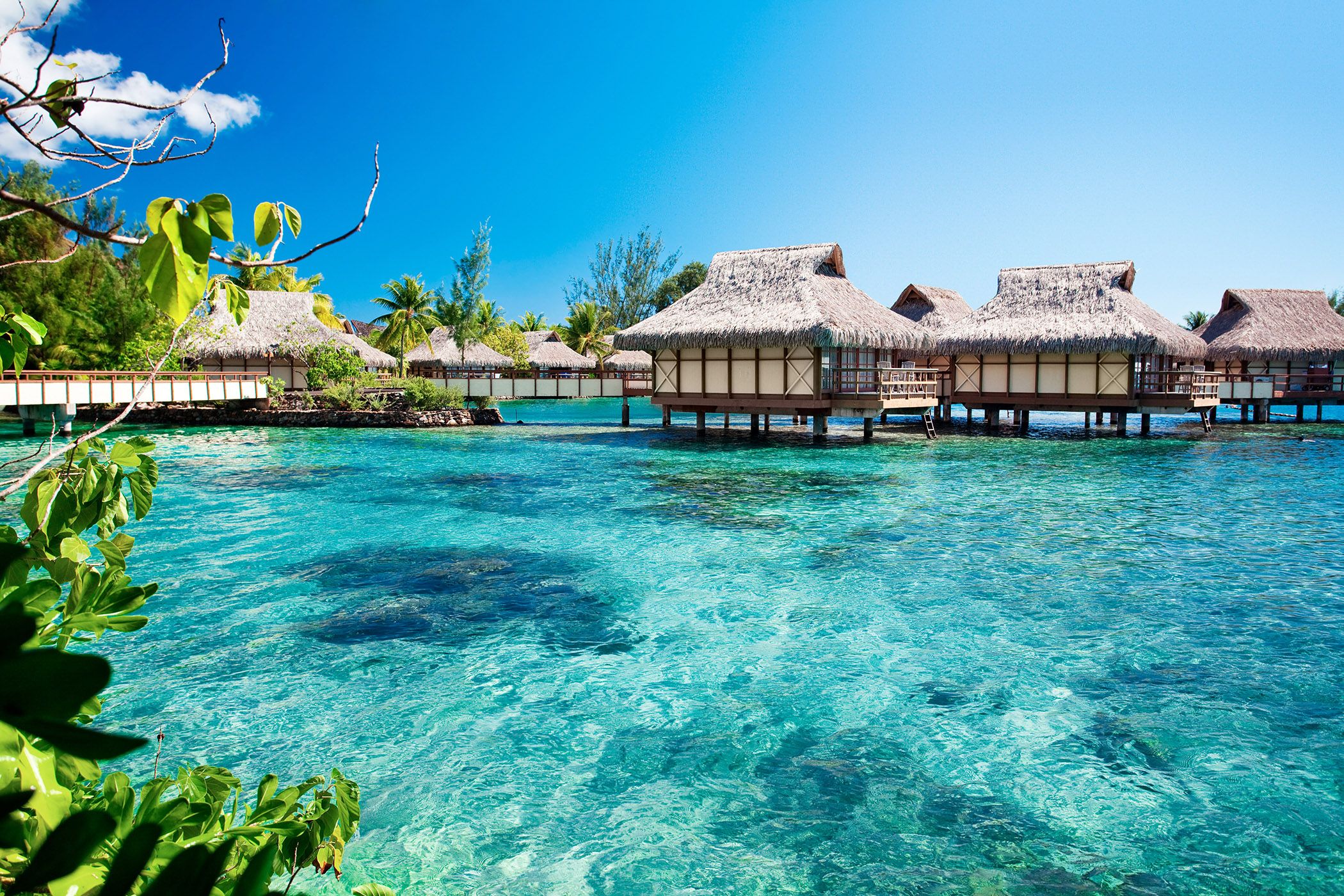
Viking river itineraries span Europe’s major waterways — the Danube, Rhine, Seine, Douro, and others — with select sailings on the Nile, Mekong, Irrawaddy, and the Mississippi. Trips typically run 7–8 nights and visit multiple cities or ports, all accessible without tenders or long bus transfers. European river cruises dock directly in town centers, allowing travelers to explore historic villages, vineyards, and medieval cityscapes with ease.
Viking Ocean voyages cover global regions, including the Mediterranean, Scandinavia & the Baltic, the British Isles, Caribbean & Central America, South America, Asia, Australia & New Zealand, and extended world cruises. Ocean ships are sized to access smaller ports that mega-ships cannot, such as Ålesund, Flåm, and Geiranger in Norway, giving passengers intimate experiences alongside spectacular scenery.
Pro Tip: Viking Ocean schedules Mediterranean sailings in fall, winter, and spring to avoid summer crowds in popular ports like Dubrovnik and Santorini. If you're planning a Mediterranean itinerary, this timing advantage is significant. Check out the best time for a Mediterranean cruise for a full seasonal breakdown.
Pricing and Value Comparison
Both Viking products are premium-priced relative to mainstream cruise lines, and both include meaningful value in the base fare. Comparing them directly requires accounting for what's bundled in.
| Inclusions | Viking River | Viking Ocean |
|---|---|---|
| One shore excursion per port | ✅ | ✅ |
| Wi-Fi | ✅ | ✅ |
| Beer & wine with lunch & dinner | ✅ | ❌ (beverage packages available) |
| Gratuities | ✅ | ✅ |
| Specialty dining | N/A (one restaurant) | ❌ (extra charge) |
| Flights (some packages) | Optional add-on | Optional add-on |
River cruise fares vary by itinerary, season, and cabin, typically starting around $2,000–$3,000 per person for 7–8 night European itineraries. Viking Ocean fares also vary by itinerary and cabin, generally starting around $2,500–$4,000 per person for a 7-night cruise, with extended voyages and world cruises priced significantly higher.
The included beer and wine with meals on river cruises remains a genuine all-inclusive element that Viking Ocean does not replicate at the base fare level. On the ocean side, specialty dining and premium beverage packages are available à la carte.
Pro Tip: Viking frequently runs early-booking promotions that include free airfare or a complimentary pre-cruise hotel night. Booking 12–18 months in advance typically yields the best cabin selection and promotional pricing on both products.
Who Should Book Viking River
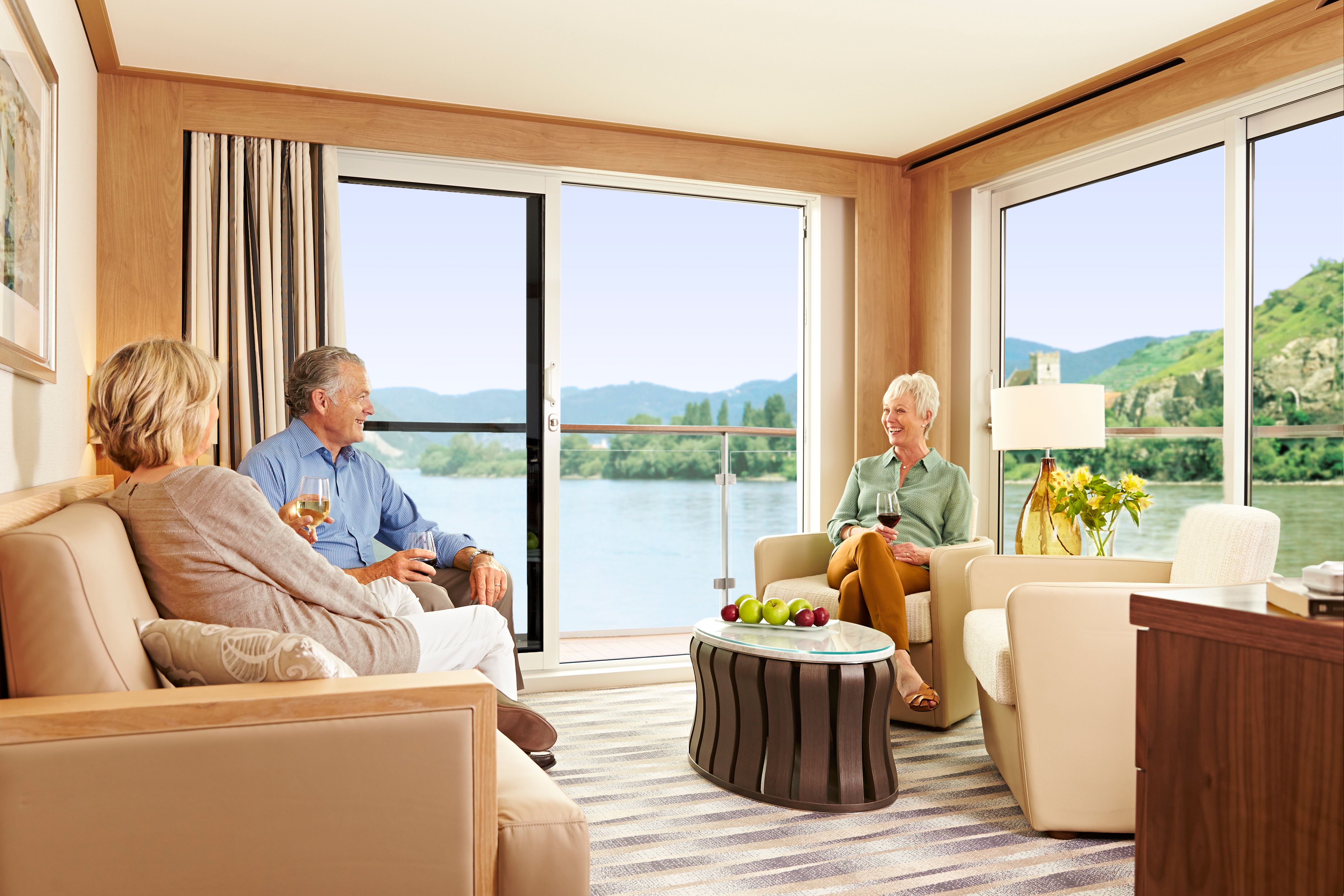
A Viking river cruise is the stronger choice if your priority is cultural immersion over onboard amenities. The experience is built around what happens when you step off the ship. You'll dock in town centers, join small-group walking tours, visit castle cellars for wine tastings, and be back aboard for dinner—often moored in a medieval city center with floodlit cathedral views from your stateroom window.
River cruising suits you if:
- You want to visit multiple European cities without repacking your bags
- You prefer intimate, small-group travel (excursion groups are proportionally smaller)
- You're concerned about seasickness on open water
- You want beer and wine included at meals
- You're traveling as a couple and want a quieter, conversation-friendly environment
- Europe's interior waterways—the Rhine gorge, the Wachau Valley, Burgundy vineyards—are on your bucket list
River cruising is less suited to travelers who want a robust onboard entertainment program, multiple dining concepts, or destinations outside Europe (with some exceptions).
Who Should Book Viking Ocean
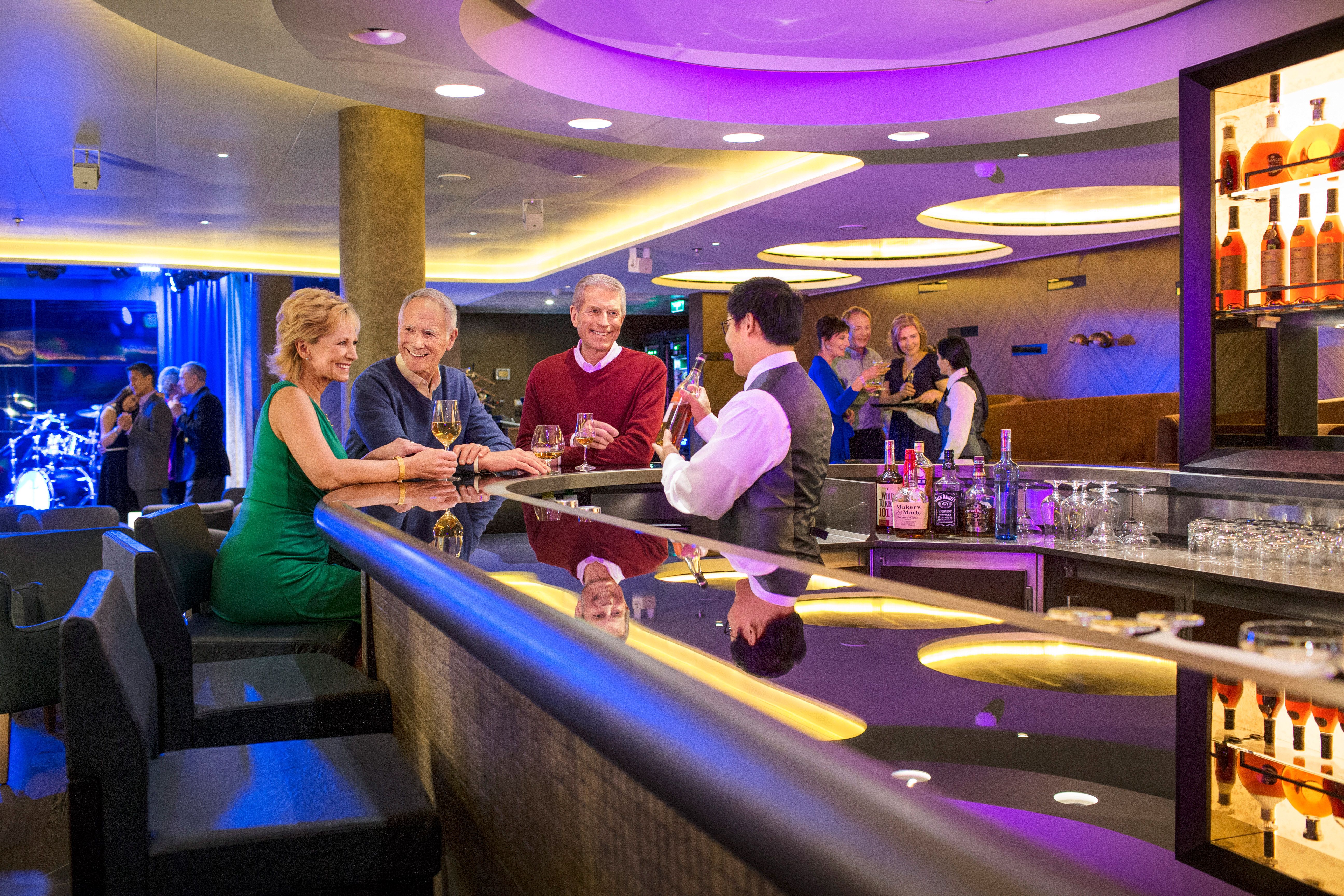
A Viking Ocean cruise makes more sense if you want global reach combined with a refined, small-ship atmosphere. The ocean ships deliver a noticeably more varied onboard experience—multiple restaurants, a proper spa, a pool, and enrichment programming including destination lectures and cooking demonstrations—while remaining far more intimate than mainstream ocean ships.
Viking Ocean suits you if:
- Your target destinations are outside Europe's river network (Japan, Iceland, the Caribbean, South America, Antarctica)
- You want more onboard dining variety and amenity options
- You're planning a longer voyage (10–24 nights) where onboard life matters more
- You want the cultural focus of a river cruise but in an ocean format
- You prefer a balcony stateroom with sea views (nearly all Viking Ocean cabins have private verandas)
- You're interested in Scandinavian and Norwegian fjord itineraries, where Viking Ocean's port access is exceptional
For a direct comparison of Viking Ocean against another premium ocean line, our Viking Ocean vs. Oceania Cruises breakdown covers the key differences in dining, itineraries, and cabin categories.
Can You Combine Both?
Many Viking loyalists do exactly this—and Viking actively encourages it. A popular approach is to book a river cruise in Central Europe followed by an ocean voyage departing from a nearby port (Amsterdam, Barcelona, or Lisbon, for example). Viking sometimes offers combination packages that bundle a river and ocean sailing with shared pre- or post-cruise hotel stays.
Strategically, doing the river cruise first and the ocean voyage second is the smoother sequence. You move from the most intimate experience to the slightly larger one, rather than the reverse. Travelers who have done both consistently report that the two products complement rather than compete with each other—the river cruise delivers depth in a specific region, while the ocean voyage delivers breadth across multiple countries or continents.
Pro Tip: If you're combining a European river cruise with an ocean voyage, build in at least one full day in the embarkation city between sailings. Flight delays and luggage logistics make same-day transfers between river disembarkation and ocean embarkation genuinely risky.
How to Book and Find the Best Deals

When planning a Viking cruise, timing and cabin selection can make a big difference in price and experience:
- Book early for cabin selection: Viking River longships have a limited number of cabin categories, and the most desirable staterooms (French balcony cabins with floor-to-ceiling sliding doors) sell out earliest on popular routes like the Danube and Rhine.
- Watch for Wave Season promotions: January through March is historically when Viking releases its strongest promotional offers, often including free airfare, pre-cruise hotel nights, or reduced single supplements.
- Consider shoulder season: May, early June, September, and October offer competitive pricing on river itineraries with lower crowds. Viking Ocean's Mediterranean sailings in November–March are often significantly discounted versus summer equivalents.
- Single travelers: Viking offers one of the industry's more generous solo supplement structures, with dedicated solo cabins on some river longships.
For a broader look at timing your booking, our guide to the best time to book a cruise covers pricing cycles across multiple lines.
Key Takeaways
- Viking River prioritizes cultural immersion, intimate scale (~190 passengers), and European waterway access—ideal for travelers whose primary interest is the destination, not the ship.
- Viking Ocean offers global itineraries, more onboard amenities, and a still-intimate ocean experience (~930-998 passengers) that's roughly one-fifth the size of mainstream mega-ships.
- Both products include one shore excursion per port and Wi-Fi; river cruises additionally include beer and wine with meals.
- River cruising virtually eliminates seasickness risk; ocean sailings in northern Europe and the North Atlantic can involve noticeable sea motion.
- Combining both on a back-to-back itinerary is a legitimate strategy that many Viking repeat guests pursue.
Frequently Asked Questions
Q: What is the main difference between Viking River and Viking Ocean cruises?
Viking River cruises operate small longships (approximately 190 passengers) along European and select international waterways, docking directly in town centers for maximum cultural access. Viking Ocean cruises use larger ships (up to 930-998 passengers) on global itineraries, offering more onboard amenities while maintaining a boutique atmosphere compared to mainstream ocean lines.
Q: Are Viking River cruises more expensive than Viking Ocean cruises?
Pricing is comparable at the entry level, but the inclusions differ. River cruise fares typically include beer and wine with meals, while ocean fares do not. Both include one shore excursion per port and Wi-Fi. Longer ocean voyages (14+ nights) will generally cost more in absolute terms than a standard 7–8 night river itinerary.
Q: Is Viking a good choice if I've never cruised before?
Viking's adults-only policy, destination-focused programming, and included excursions make both products accessible for first-time cruisers who are culturally motivated travelers. The river product in particular—with its calm waters, small ship size, and walk-off port access—removes many of the logistical concerns that first-timers associate with ocean cruising.
Q: Can children sail on Viking River or Ocean cruises?
No. Viking maintains a strict minimum age of 18 on both its river and ocean products. This policy is a defining feature of the brand and a key reason the onboard atmosphere skews toward mature, culturally engaged travelers.
Q: Which Viking product is better for solo travelers?
Both accommodate solo travelers, but Viking River has historically offered dedicated solo cabins on select longships, which avoids the single supplement entirely. Viking Ocean charges a single supplement on most cabin categories, though the amount varies by sailing and cabin type. Wave Season promotions occasionally include reduced or waived single supplements on ocean voyages.
Q: How far in advance should I book a Viking cruise?
For popular river itineraries (Danube, Rhine, Christmas Markets), booking 12–18 months in advance is advisable to secure preferred cabin categories. Viking Ocean sailings to Iceland, Norway, and Japan also book out well in advance. Last-minute availability exists but typically offers limited cabin choice.
Fast Facts
- Best For: Culturally motivated adult travelers (18+) seeking destination-immersive itineraries without casino culture or children's programming
- Price Range: Typical fares start around $2,000–$3,000 per person for 7–8 night river cruises, $2,500–$4,000 for 7-night ocean cruises, and $40,000+ for extended world voyages.
- Best Time to Book: January–March (Wave Season) for promotional pricing; 12–18 months ahead for peak-season river itineraries
- Included in Both: One shore excursion per port, Wi-Fi, gratuities, port taxes
- River Advantage: Beer and wine with meals included; no seasickness risk; walk-off port access in European town centers
- Ocean Advantage: Global destinations, multiple dining venues, private verandas on nearly all cabins, longer voyage options
- Top River Pick: Danube itineraries (Budapest to Nuremberg or reverse) for first-time river cruisers
- Top Ocean Pick: Norway and Fjords sailings for scenery; Japan itineraries for cultural depth outside Europe