Norwegian Fjords Cruise Guide: Best Ships & Itineraries 2026
Norwegian fjords cruises rank among the most visually dramatic itineraries in all of cruising — a succession of sheer cliffs, silver waterfalls, and glacier-carved inlets that no photograph can fully capture. Most mainstream Norwegian fjords itineraries run 7–14 nights, departing between May and September, visiting popular ports such as Bergen, Flåm, Geiranger, and Ålesund. Fares for a 7-night cruise typically start around $1,000–$1,500 per person for an inside cabin, with prices increasing for balcony cabins, premium cruise lines, and expedition-style voyages.
Why Cruise the Norwegian Fjords?
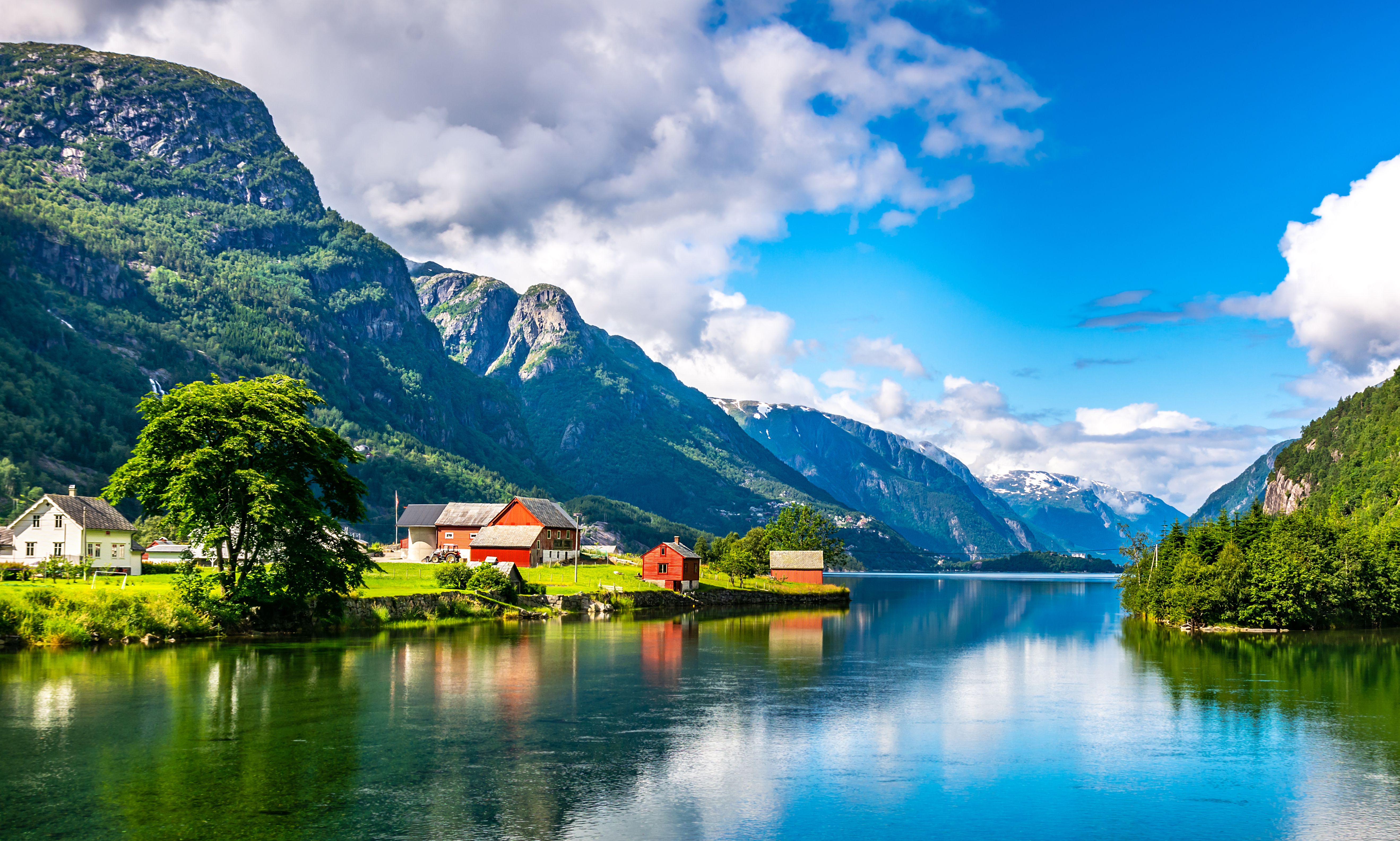
The fjords offer something genuinely rare in cruise itineraries: scenery that improves the closer you get to it. Ships navigate narrow waterways flanked by walls of rock rising 1,000 meters or more, with waterfalls cascading directly onto the deck level. Unlike most European cruise destinations, the fjords are the attraction — not just the backdrop.
Cruising is also the most practical way to access many of these locations. Villages like Geiranger and Flåm sit at the ends of fjord branches that are difficult and expensive to reach overland. A ship deposits you dockside in the morning and collects you in the evening, eliminating the logistical complexity of Norway's mountainous terrain.
The 2026 season is shaping up as a strong one for fjords cruising. Several cruise lines are deploying newer tonnage on Norwegian routes, and the combination of post-pandemic pent-up demand and increased capacity means more itinerary variety than in previous years.
Pro Tip: If you're comparing the Norwegian fjords to other dramatic scenic cruise destinations, the fjords consistently outperform in terms of raw landscape intensity. Alaska is the closest rival — but the cultural dimension of Norwegian port towns adds a layer that pure wilderness itineraries can't match.
Best Time to Sail the Fjords in 2026
The Norwegian fjords cruise season runs from May through September, with each month offering a meaningfully different experience.
| Month | Conditions | Daylight | Crowds | Best For |
|---|---|---|---|---|
| May | Cool (8–14°C), occasional rain | 17–19 hrs | Low–Medium | Waterfalls at peak flow, lower prices |
| June | Mild (12–17°C), mostly clear | 20+ hrs (near midnight sun) | Medium–High | Midnight sun, best weather |
| July | Warmest (15–20°C), busiest | 20+ hrs | High | Peak summer atmosphere |
| August | Warm, some rain returns | 16–19 hrs | Medium–High | Slightly fewer crowds than July |
| September | Cooler, early autumn color | 13–15 hrs | Low | Budget pricing, dramatic skies |
May is the sleeper pick for 2026. Snowmelt from winter feeds the waterfalls to their highest volume — the Seven Sisters falls in Geiranger and the Briksdal glacier meltwater are genuinely spectacular. Prices are also 15–25% lower than peak July sailings on the same itineraries.
June delivers the midnight sun, which is a bucket-list experience in itself. At the latitude of the Geirangerfjord (around 62°N), the sun barely dips below the horizon between mid-June and early July. Standing on a ship's deck at 11 PM watching golden light play across fjord walls is an experience that justifies the trip alone.
Pro Tip: Book a balcony cabin on the starboard side when sailing northbound from Bergen to Geiranger — you'll face the fjord walls and waterfalls on the approach. Southbound sailings reverse this, so confirm your ship's routing before selecting your cabin side.
Top Fjord Itineraries Compared for 2026
The structure of your itinerary matters as much as the cruise line you choose. Here's how the most common fjords itinerary formats stack up:
| Itinerary Type | Duration | Key Ports | Best For | Typical Embarkation |
|---|---|---|---|---|
| Classic Fjords Loop | 7 nights | Bergen, Flåm, Geiranger, Ålesund | First-time fjords visitors | Copenhagen, Amsterdam |
| Extended Northern Norway | 12–14 nights | Bergen, Tromsø, North Cape, Kirkenes | Aurora/midnight sun seekers | Bergen, Oslo |
| Fjords + British Isles | 10–12 nights | Bergen, Flåm + Edinburgh, Dublin | Combination itinerary fans | Southampton, Hamburg |
| Fjords + Iceland | 10–14 nights | Bergen, Geiranger + Reykjavik, Akureyri | Adventure travelers | Copenhagen, Hamburg |
The 7-night classic loop is the right starting point for most travelers. It hits the UNESCO-listed Nærøyfjord and Geirangerfjord — the two most dramatic fjord systems — while keeping the itinerary manageable. Longer sailings add genuine value if you want to reach the North Cape or combine Norway with Iceland.
Best Cruise Lines for Norwegian Fjords in 2026
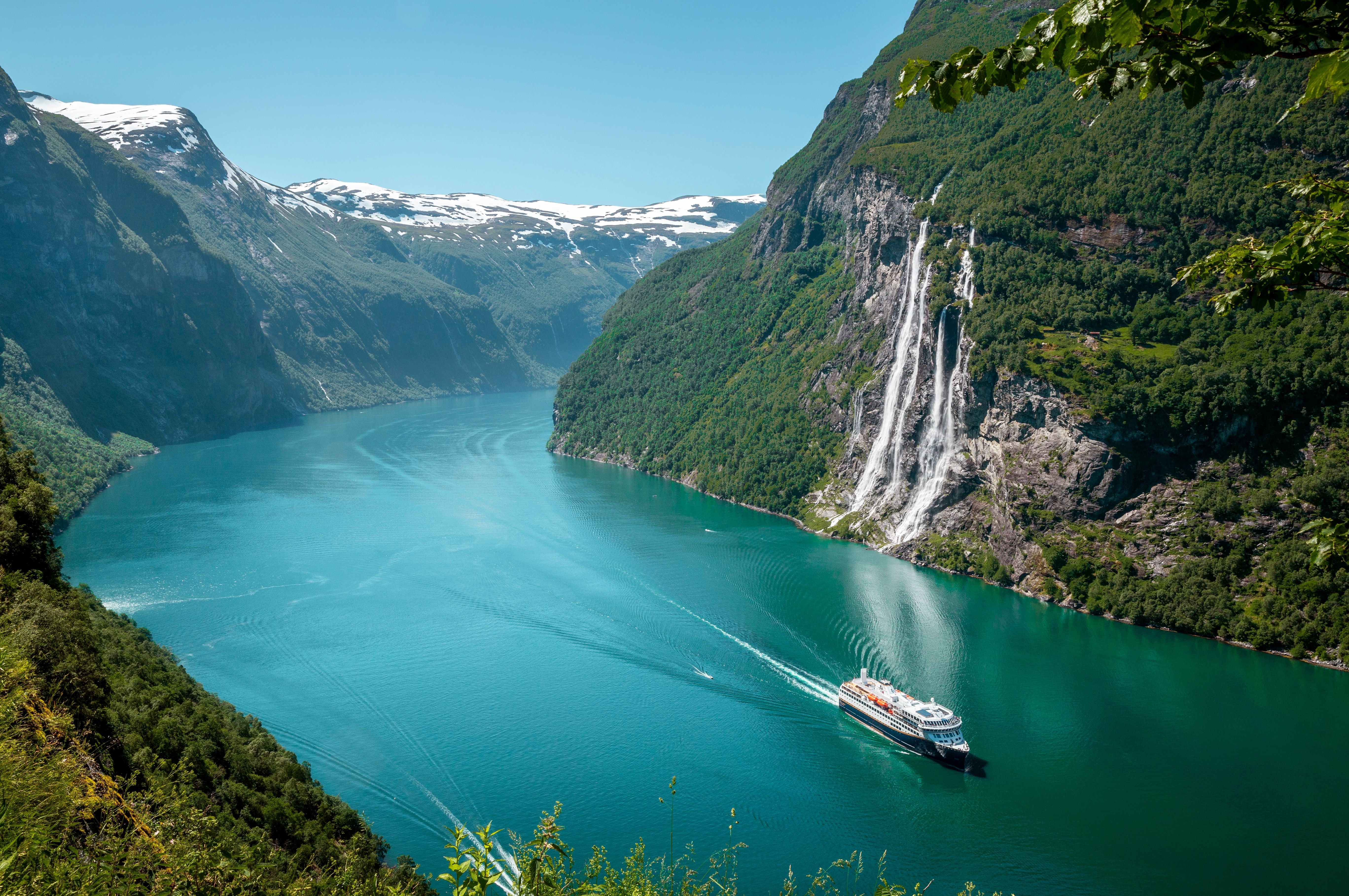
Different cruise lines approach the fjords very differently. Ship size alone determines which ports you can access — Geiranger, for example, is restricting larger vessels under new environmental regulations.
Viking Ocean Cruises
Viking's mid-size ships (930 passengers) hit the sweet spot for fjords cruising: small enough to navigate deep into Geirangerfjord, large enough to offer genuinely premium onboard amenities. Viking's Scandinavian design aesthetic feels unusually appropriate for Norway — the clean lines, aquavit at the bar, and Nordic spa concept all reinforce the destination. Itineraries typically run 8–15 nights and include strong cultural programming.
For a detailed comparison of Viking against other premium options, see our Viking Ocean vs. Oceania Cruises: Which Premium Line Wins? breakdown.
Celebrity Cruises
Celebrity Apex and Celebrity Eclipse are the primary fjords ships in 2026. Both are Edge-class or Solstice-class vessels in the 2,900–3,000 passenger range — which means they can't access Geiranger under new restrictions but do call at Bergen, Ålesund, and Flåm. The onboard experience is polished and premium without being stuffy, making Celebrity a strong choice for travelers who want excellent food and service alongside the scenery.
Norwegian Cruise Line (NCL)
NCL deploys ships including Norwegian Jade and Norwegian Star on fjords itineraries, departing from ports including Oslo, London, and Reykjavik. NCL's freestyle dining model works well on fjords itineraries where port-heavy days mean flexible mealtimes matter. Itineraries often include Olden (gateway to the Jostedalsbreen glacier) and Hardangerfjord alongside the classic stops.
| Cruise Line | Ship Size | Geiranger Access | Best For | Price Tier |
|---|---|---|---|---|
| Viking Ocean | ~930 pax | Yes | Premium experience, cultural depth | Premium |
| Celebrity Cruises | 2,900–3,000 pax | Limited | Upscale mainstream, great food | Premium |
| NCL | 2,000–2,500 pax | Yes (some ships) | Freestyle flexibility, value | Mid-range |
Pro Tip: Environmental regulations around emissions and fjord access are tightening in Norway. Some restrictions may affect which ships can enter UNESCO-protected fjords like Geiranger and Nærøyfjord, so always check your ship’s compliance and berth permissions before booking.
Must-See Ports: Geiranger, Flåm & Bergen
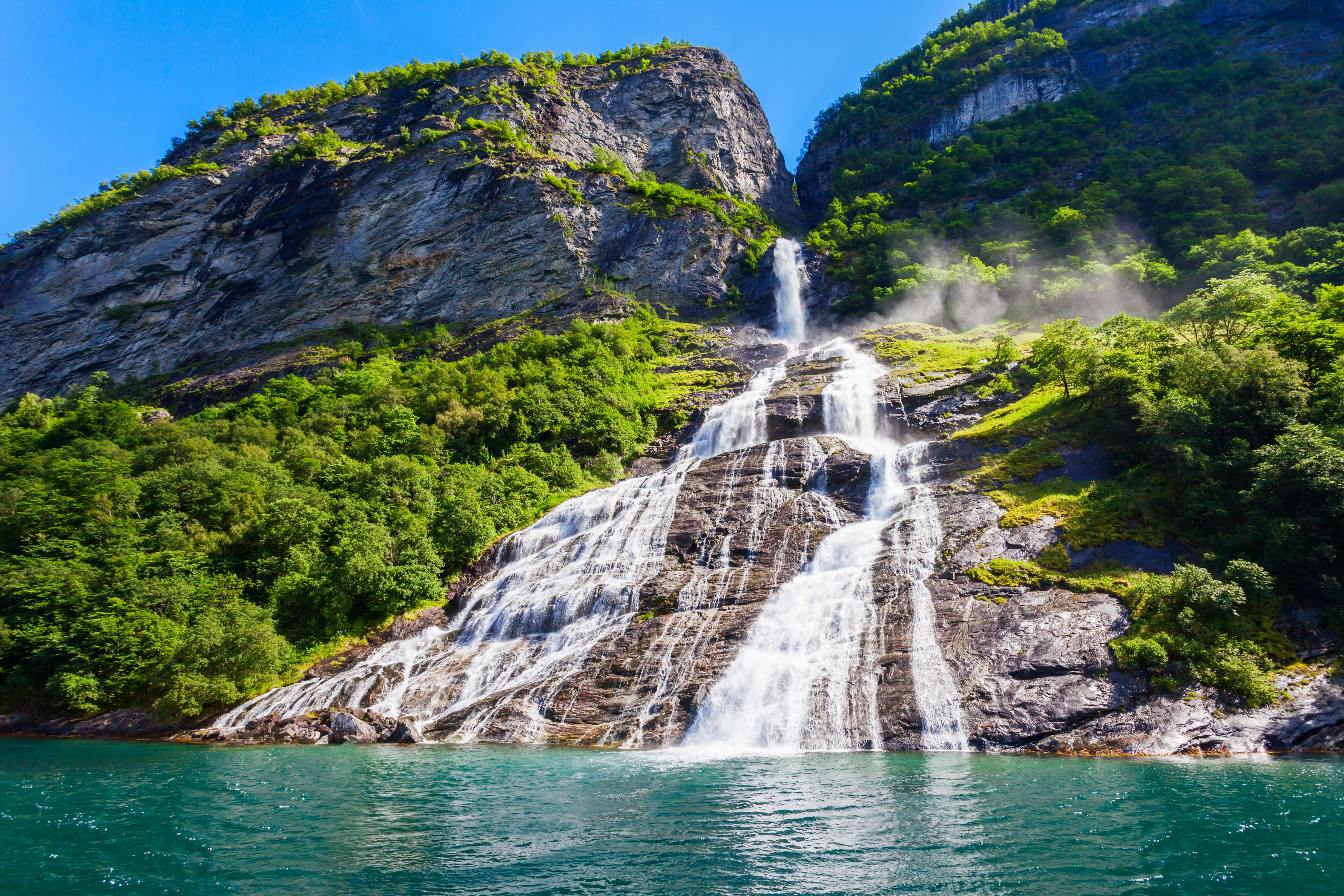
Geirangerfjord
The Geirangerfjord is the crown jewel of Norwegian fjords cruising — a 15-kilometer arm of water lined with abandoned farmsteads, waterfalls with names like the Seven Sisters and the Suitor, and mountain walls that rise nearly vertically from the water. UNESCO World Heritage status since 2005. The village of Geiranger itself (population ~250) gets overwhelmed on peak summer days, so arriving early or late in the season helps. The Dalsnibba mountain plateau viewpoint (1,500m elevation) is accessible by road and offers the most dramatic aerial perspective of the fjord.
Flåm
Flåm sits at the end of the Aurlandsfjord, a branch of the Sognefjord — Europe's longest fjord at 204 kilometers. The town is the departure point for the Flåmsbana railway, one of the steepest standard-gauge rail lines in the world, climbing 864 meters through 20 tunnels to the mountain station at Myrdal. The round-trip train journey takes about 2 hours and is bookable independently or through ship excursions. Kayaking the Nærøyfjord from Flåm is increasingly popular and can be arranged through local operators.
Bergen
Bergen functions as the gateway city for most fjords itineraries — either the embarkation point or a key port call. The Bryggen wharf (UNESCO-listed) is the visual centerpiece, with its row of colorful Hanseatic merchant buildings. The Fish Market is the practical centerpiece — an outdoor and indoor market where you can eat smoked salmon, shrimp, and whale (if you choose) directly from the stall. The Fløibanen funicular to Mount Fløyen provides a city overview and hiking access. Bergen is also one of the rainiest cities in Europe, averaging 240+ rain days per year — pack accordingly.
Ålesund
Ålesund is architecturally distinctive: the entire city center was rebuilt in Art Nouveau style after a 1904 fire, making it one of the most cohesive examples of that style anywhere in Europe. The Aksla viewpoint (418 steps from the city center) overlooks the harbor and surrounding islands. Ålesund is also the jumping-off point for Geirangerfjord day trips and the Hjørundfjord, whose peaks rise 1,600 meters above the water.
Olden
A smaller port that appears on many NCL and Princess itineraries, Olden sits at the end of the Nordfjord and provides access to the Briksdalbreen glacier arm of the Jostedalsbreen ice cap — mainland Europe's largest glacier. The glacier walk is the primary excursion draw, though the ice has receded significantly in recent decades and the approach route has changed. Worth doing, but book the glacier hike through a vetted local operator rather than the ship's excursion desk for better access and smaller groups.
What to Pack for a Norwegian Fjords Cruise

The fjords are not a warm-weather destination, even in July. Layering is the operative principle.
Clothing essentials:
- Waterproof outer layer: Bergen averages rain on more than 200 days per year. A packable hardshell jacket is non-negotiable. Our Best Rain Jacket for Alaska Cruises guide applies directly to fjords conditions.
- Insulating mid-layer: Fleece or down for fjord mornings, which can be genuinely cold even in June
- Moisture-wicking base layers: For hiking excursions
- Waterproof walking shoes or trail runners: Many port excursions involve cobblestones and uneven terrain
- Light gloves and a beanie: For early-morning deck watching in May and September
Gear and accessories:
- Binoculars: Essential for spotting waterfalls, wildlife, and detail on cliff faces from the ship. Our Best Binoculars for an Alaska Cruise recommendations work equally well for fjords.
- Polarized sunglasses: Fjord light on clear days creates intense glare off the water
- Seasickness medication: The open North Sea crossing between the UK and Norway can be rough. See our Best Motion Sickness Medicine for Cruises guide for options.
- Dry bag or waterproof phone case: For kayaking and tender port excursions
- Camera with a wide-angle lens: Fjord walls are too tall and close for standard focal lengths to capture
Pro Tip: The tender ports (Geiranger, in particular) require boarding a small boat to reach shore. If you have mobility concerns, check with the cruise line before booking — tender operations can be cancelled in rough conditions and are physically demanding for passengers with limited mobility.
Booking Tips, Cabin Strategy & Pricing for 2026
When to book: The 2026 Norwegian fjords season is already seeing early demand from travelers who postponed European plans. We've found that booking 9–12 months in advance secures the best cabin selection and early-bird pricing. For sailings in June and July specifically — the peak midnight sun window — inventory on smaller ships like Viking’s can tighten quickly.
Cabin selection strategy: On a fjords cruise, your cabin location matters more than on almost any other itinerary. A balcony cabin is worth the premium: on a fjords cruise, you'll spend more time outside enjoying the scenery than anywhere else onboard. For guidance on selecting the right cabin category, our How To Choose a Room on a Cruise Ship article covers the key decision factors.
Embarkation port considerations: Flying into Bergen or Copenhagen is typically cheaper than routing through Oslo for UK and North American travelers. Hamburg is an underrated embarkation option — it's a strong city in its own right and often has lower port fees built into cruise pricing.
What's included: Norwegian cruise lines like NCL's More at Sea package can add meaningful value on fjords itineraries where specialty dining and drink packages offset the higher cost of Norwegian port spending.
Price ranges by category (2026 estimates):
- Inside cabin, mainstream line (NCL): From ~$1,200–$1,800 per person for 7 nights
- Balcony cabin, mainstream line (NCL): From ~$1,800–$2,800 per person
- Premium lines (Celebrity, Princess): Balconies typically from ~$2,500–$4,000 per person
- Viking Ocean: From approximately $4,000–$7,000+ per person depending on itinerary length
Pro Tip: Shore excursions in Norway can be pricey — expect to pay $80–$200+ per person for highlights like the Flåmsbana railway, glacier hikes, or fjord kayaking when booked through the ship. Booking directly with local operators in Bergen, Flåm, or Olden often saves 20–35% and typically offers smaller group sizes for a more personalized experience.
Key Takeaways
- May and June are the best months for fjords cruising in 2026 — May for waterfall volume and lower prices, June for the midnight sun experience
- Ship size determines port access: Geiranger's environmental restrictions in 2026 mean only smaller, cleaner vessels can enter the fjord — verify compliance before booking
- Viking Ocean offers the most immersive fjords experiences; Celebrity and NCL provide the best balance of destination access and onboard amenity
- A balcony cabin is worth the premium on a fjords itinerary — you will use it more than on any other cruise route
- Book 9–12 months out for peak June/July sailings, especially on smaller ships with limited inventory
Frequently Asked Questions
Q: How long should a Norwegian fjords cruise be?
Seven nights is the practical minimum to visit the key fjords — Geirangerfjord, Nærøyfjord/Sognefjord, and Bergen — without feeling rushed. Nine to twelve nights allows for additional ports like Ålesund, Tromsø, or Olden and a more relaxed pace overall.
Q: Do I need a visa to cruise the Norwegian fjords?
Norway is not an EU member but is part of the Schengen Area. US, Canadian, UK, and Australian passport holders do not require a visa for stays up to 90 days. Check current entry requirements for your nationality before sailing, as regulations can change. Your cruise line will confirm documentation requirements at booking.
Q: Are Norwegian fjords cruises suitable for families?
Yes, with some caveats. The scenery and shore excursions (glacier walks, kayaking, the Flåmsbana train) are genuinely engaging for older children and teenagers. Toddlers and very young children may find the pace — heavy on scenic sailing and outdoor excursions — less stimulating than a Caribbean itinerary. NCL's freestyle model is the most family-flexible of the mainstream options.
Q: What is the difference between Geirangerfjord and Nærøyfjord?
Both are UNESCO World Heritage-listed fjord branches and both are considered the scenic highlights of Norwegian fjords cruising. Geirangerfjord (near Ålesund) is wider and more accessible, with the famous Seven Sisters and Suitor waterfalls. Nærøyfjord (near Flåm) is narrower — as little as 250 meters wide at points — and arguably more dramatic in its sheer cliff proximity. Many 7-night itineraries visit one; longer sailings can include both.
Q: Is it worth booking a balcony cabin for a fjords cruise?
Almost universally yes. The fjords are a scenery-first destination, and the ability to step outside at any hour — including midnight in June when the sun is still up — adds significant value. On a fjords cruise, the balcony functions as a second living room. See our guide on why to book a balcony cabin for a full cost-benefit breakdown.
Q: Can large cruise ships access all Norwegian fjord ports?
No. Geirangerfjord in particular has implemented zero-emission zone restrictions, and several other fjord branches have physical limitations on ship width and draft. Ships above ~2,500 passengers typically cannot enter inner fjords and anchor at nearby towns instead. Check your specific ship's port list carefully if Geiranger or Nærøyfjord are priorities.
Fast Facts
- Best For: Scenic cruising enthusiasts, nature travelers, couples, active excursion seekers, Scandinavia fans
- Price Range: From ~$1,200 per person (inside, mainstream) to $7,000+ per person (Viking Ocean, extended itineraries)
- Best Time to Book: 9–12 months in advance for June/July sailings; 6 months out for May and September
- Peak Season: June–July (midnight sun, warmest weather, highest demand)
- Value Season: May and September (lower fares, fewer crowds, dramatic conditions)
- Top Pick for Immersion: Viking Ocean Cruises (8–15 nights, Scandinavian design, premium service)
- Top Pick for Value: NCL on 7-night classic fjords itinerary with More at Sea package
- Must-See Ports: Geirangerfjord, Flåm, Bergen, Ålesund
- Typical Duration: 7–12 nights
- Embarkation Ports: Bergen, Copenhagen, Amsterdam, Hamburg, Southampton