Norwegian Fjords vs. Iceland Cruises: Which to Book in 2026
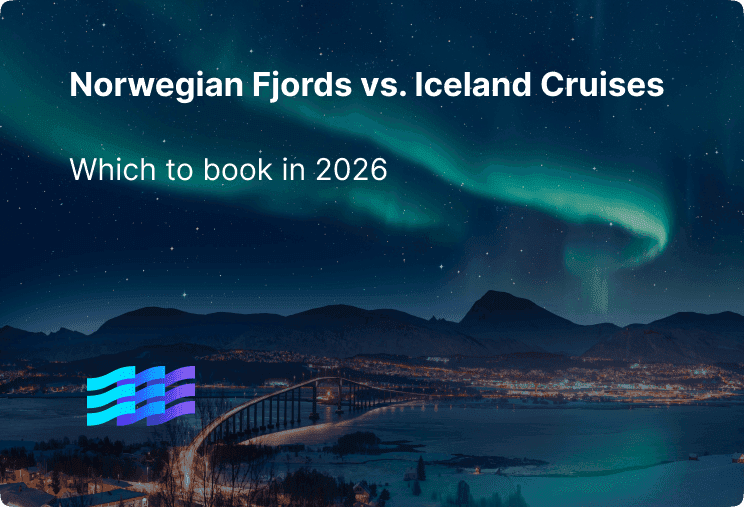
Norwegian fjords cruises deliver dramatic, close-up scenery—waterfalls, glaciers, and steep mountain walls—on itineraries that still work well for many large resort ships. Iceland cruises trade that ship-based intimacy for raw volcanic landscapes, geothermal wonders, active shore excursions, and strong Northern Lights potential on September or winter sailings, when darkness and clear skies allow. The right choice depends almost entirely on what kind of scenery, season, and shore experience you’re after.
What Each Destination Actually Offers
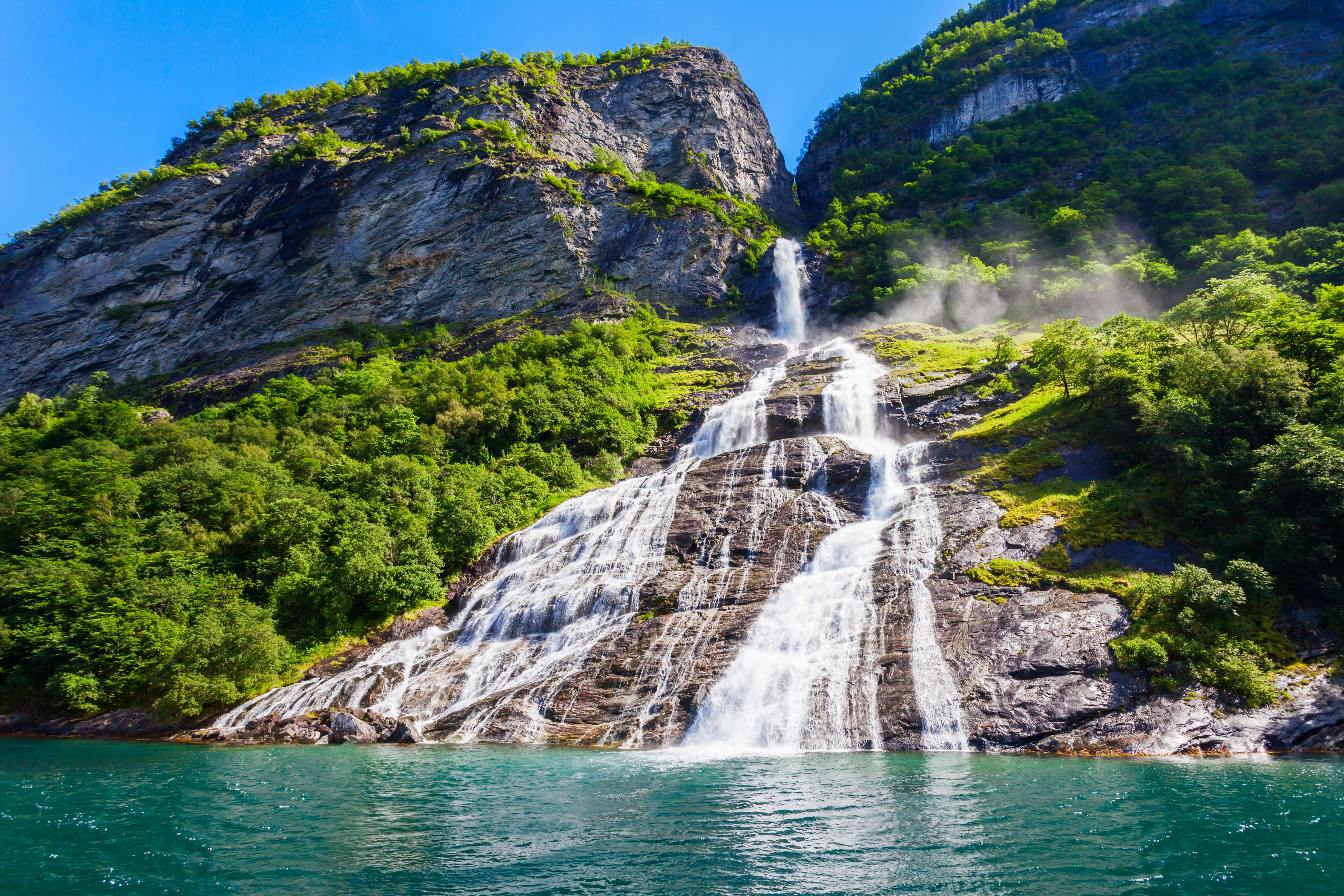
Norwegian Fjords are defined by their geography: narrow inlets carved by glaciers over millennia, flanked by walls rising up to 1,400 meters. The Sognefjord (Norway's longest at 204 km), the Geirangerfjord, and the Hardangerfjord are the headline acts. Ports like Flåm, Bergen, Ålesund, and Skjolden—a village of just 200 people at Sognefjord's inner end—put travelers within reach of glacier hikes, scenic railways, and Viking history. The scenery is arguably best enjoyed from the ship itself, making this one of the few cruise destinations where staying onboard during a transit is the right call.
Iceland operates on a different scale entirely. Sitting on the Mid-Atlantic Ridge, the island’s tectonic activity helps shape a landscape that can feel genuinely otherworldly: lava fields, geothermal areas, geysers, black sand beaches, and glacial lagoons. Key cruise ports include Reykjavík, the capital and main embarkation hub; Akureyri, a gateway to Lake Mývatn and Goðafoss waterfall; Ísafjörður, a base for Westfjords wildlife, hiking, and fjord scenery; and Heimaey in the Vestmannaeyjar archipelago. Shore time in Iceland is dense with activity—you can access the Golden Circle, the Blue Lagoon, and whale-watching tours from Reykjavík alone.
Itinerary and Ports: A Side-by-Side Comparison
| Feature | Norwegian Fjords | Iceland |
|---|---|---|
| Typical duration | 7–14 days | 7–15 days (often combined with the British Isles, Greenland, or Norway) |
| Key ports | Bergen, Flåm, Ålesund, Geiranger, Skjolden, Stavanger | Reykjavík, Akureyri, Ísafjörður, Heimaey, Grundarfjörður |
| Embarkation hubs | Southampton, Bergen, Copenhagen, Amsterdam | Reykjavík, Southampton, Copenhagen |
| Scenic transits | Geirangerfjord, Sognefjord, Nærøyfjord (UNESCO) | Snæfellsnes Peninsula, Westfjords coastline |
| Typical sea days | 1–3 depending on route | 2–4 (longer crossings) |
| Common add-ons | Baltic capitals, British Isles | Greenland, Faroe Islands, British Isles, Norway |
| Shore excursion style | Rail journeys, fjord kayaking, glacier hikes | Geothermal bathing, whale watching, lava cave tours |
Holland America offers multiple 14-day Norway-and-Iceland sailings, including itineraries titled Iceland & Norwegian Fjords and Fjords of Norway & Iceland, depending on departure. Seabourn’s 21-day Norwegian Fjords & Icelandic Intrigue itinerary is another strong combined option—useful if you genuinely can’t choose between the two regions. Viking’s 15-day Iceland & Norway’s Arctic Explorer itinerary (Bergen to Reykjavík) is also a compelling combined option for 2026–2027.
For dedicated fjords itineraries, our Norwegian Fjords Cruise Guide: Best Ships & Itineraries 2026 covers the port-by-port breakdown in detail. For Iceland-specific itineraries, see our Best Iceland Cruise roundup.
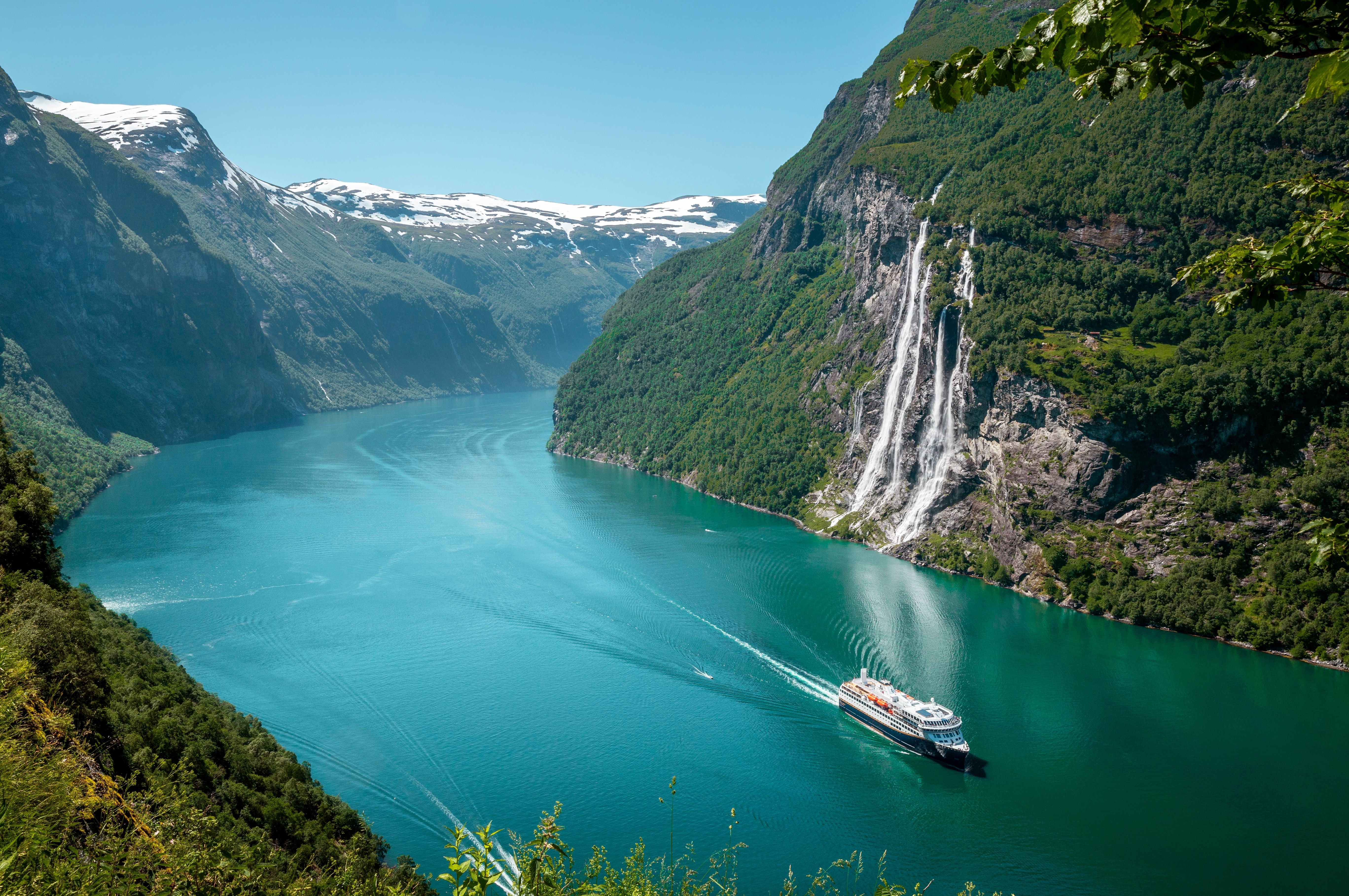
Pro Tip: On southbound Geirangerfjord sailings, the Seven Sisters waterfall is often viewed from the starboard side and remains one of the most photographed moments of the cruise.
Best Cruise Lines for Each Destination
Best Lines for Norwegian Fjords
Princess Cruises runs well-regarded fjords itineraries on ships like Sky Princess and Enchanted Princess, with ports including Skjolden, Flåm, and Ålesund. Their Plus and Premier packages help manage costs on longer sailings. See our comparison of Princess Cruises vs. Holland America: Which Line Wins in 2026? for context on how these two lines approach Northern Europe differently.
Viking Ocean Cruises deploys mid-size ships (930 passengers) like Viking Venus and Viking Mars on fjords itineraries. The smaller footprint means access to ports that larger ships can't reach, and the included shore excursions add value. Our Viking Ocean vs. River Cruises: Which Is Right for You? piece covers the line's broader philosophy.
Best Lines for Iceland

Celebrity Cruises operates Iceland and Northern Europe sailings on ships including Celebrity Apex, Celebrity Eclipse, and select Celebrity Silhouette itineraries, with curated shore excursions covering whale watching, fjord hikes, and geothermal pools. The line’s premium positioning aligns well with Iceland’s higher on-island costs.
Royal Caribbean offers Iceland itineraries that combine Reykjavík and Akureyri with stops in the British Isles—accessible pricing, large ships, and strong onboard entertainment for those who want Iceland without sacrificing resort-style amenities.
Viking Ocean also runs dedicated Iceland itineraries, including the "Viking Homelands & Majestic Iceland" sailing from Stockholm to Reykjavík—a comprehensive 15-day route covering the Baltic and Iceland in one trip.
Scenery and Wildlife: What You'll Actually See
Fjords Scenery and Wildlife
The fjords deliver scenery that is best experienced passively—sitting on a balcony as the ship glides past sheer cliff faces, cascading waterfalls, and small red-roofed villages. The Seven Sisters and Bridal Veil waterfalls in Geiranger, the Flåm Railway climbing 863 meters in 20 km, and the UNESCO-protected Nærøyfjord (just 250 meters wide at its narrowest) are the defining moments.
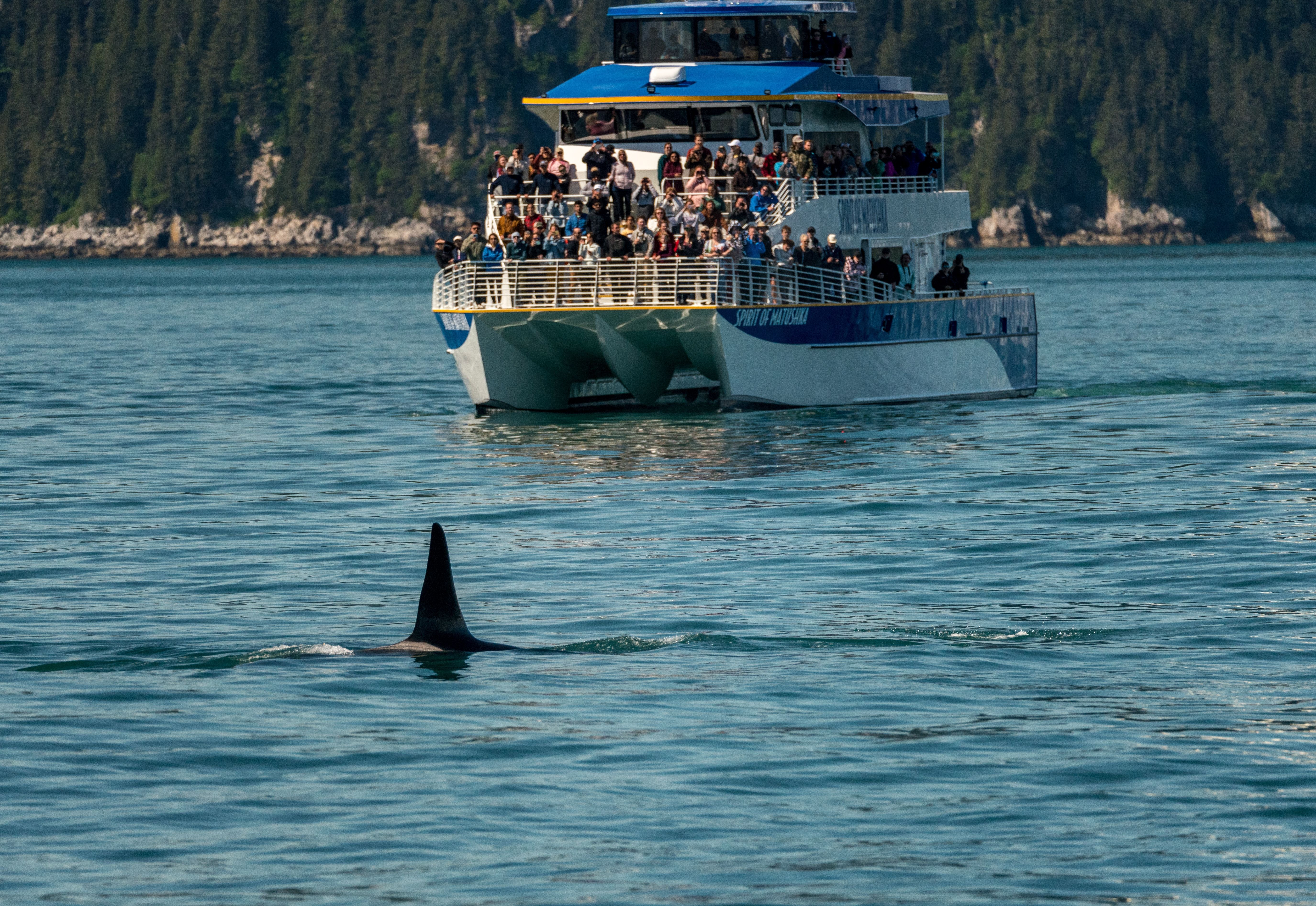
Wildlife is present but secondary: white-tailed eagles, porpoises, and the occasional orca in northern fjord waters. The real draw is geological and architectural—stave churches, Viking history, and the human scale of tiny coastal communities against enormous natural backdrops.
Iceland Scenery and Wildlife

Iceland’s scenery is more varied and geologically active. The glacier-capped Snæfellsjökull volcano, the Jökulsárlón glacial lagoon, Strokkur erupting every 5–10 minutes in the Geysir geothermal area, and Vatnajökull—often described by Iceland tourism sources as Europe’s largest glacier or ice cap—combine to create a landscape shaped by both volcanic and glacial forces.
Wildlife in Iceland is genuinely exceptional for cruise passengers: humpback and minke whales are commonly spotted off Húsavík and Akureyri—often referred to as Iceland’s whale-watching capital—while puffins are a major draw in the Vestmannaeyjar (Westman Islands) archipelago from spring through August. In the remote Westfjords, travelers may also spot Arctic foxes and a wide range of seabirds.
Pro Tip: If seeing puffins is a priority, book an Iceland itinerary that includes Heimaey (Vestmannaeyjar) and sails before mid-August, when the puffin colony begins dispersing. Grundarfjörður and the wider Snæfellsnes Peninsula can also add seasonal wildlife interest, including puffins, whale watching, and occasional orca sightings—though sightings are never guaranteed.
Weather and Best Travel Months for 2026

Norwegian Fjords: When to Go
The fjords cruise season runs May through September. June and July are peak months: long daylight hours (near-midnight sun above the Arctic Circle), temperatures between 15–20°C, and waterfalls at full flow from snowmelt. August remains excellent but sees slightly higher crowds and some waterfall reduction as snowmelt slows.
May offers shoulder-season pricing and dramatic snowcapped mountains, though some mountain roads and attractions open later in the season. September brings autumn color and fewer passengers but shorter daylight and increased rain probability.
Northern Lights in Norway are only reliably visible on winter sailings (October–March), when darkness is sufficient. Summer fjords cruises will not deliver aurora sightings—a common misconception.
For a detailed month-by-month breakdown, see our Norwegian Fjords in June vs. July: Which Month is Best? guide.
Iceland: When to Go
Iceland's cruise season is also May–September, but the calculus is different. July and August are the warmest months (10–15°C in Reykjavík) and best for puffins, whale watching, and accessible highland routes. June offers the midnight sun and long photography windows.
For Northern Lights, Iceland is one of the world's best destinations—but you need darkness. That means September (shoulder season, with aurora windows opening by mid-month) or dedicated winter expedition sailings. Several Nordic expedition operators periodically offer aurora-focused winter itineraries in Iceland and the wider North Atlantic region.
| Month | Fjords | Iceland | Northern Lights? |
|---|---|---|---|
| May | ✅ Good | ✅ Good | ❌ No |
| June | ✅ Best | ✅ Best (midnight sun) | ❌ No |
| July | ✅ Best | ✅ Best | ❌ No |
| August | ✅ Very Good | ✅ Very Good (puffins) | ❌ No |
| September | ✅ Good | ✅ Good | ⚠️ Possible (Iceland) |
| Oct–Mar | ⚠️ Limited sailings | ⚠️ Expedition only | ✅ Yes (Iceland) |
Cost and Value Comparison

Pricing for both destinations is broadly similar at the mainstream and premium tiers, but there are meaningful differences in total trip cost.
Norwegian Fjords fares typically start in the high hundreds to low thousands per person for a 7-night interior cabin on mainstream lines such as Princess Cruises and Norwegian Cruise Line, particularly on sailings departing from Southampton or Copenhagen. Premium lines like Viking and Cunard generally command several thousand dollars per person for comparable durations, depending on cabin category, inclusions, and sailing date. Solo traveler supplements also remain a persistent pain point on fjords itineraries, with some ships charging significantly above standard double-occupancy pricing.
Iceland fares are comparable at the mainstream level but skew higher on average because the dominant operators (Celebrity and Viking) sit in the premium-to-expedition tier. Expedition-style Iceland sailings with all-inclusive excursions typically start from $4,000–$7,000+ per person—but that price often includes daily guided excursions, meals, drinks, and gratuities that would cost significantly more if booked individually on shore.
On-island costs favor fjords cruises. Iceland is one of Europe's most expensive countries for independent spending: restaurant meals, car rentals, and entrance fees add up quickly for passengers who prefer DIY port time. Norway is also expensive, but fjords ports like Flåm and Geiranger are small enough that most activity is either free (walking, scenery) or covered through ship excursions.
Pro Tip: On Iceland itineraries, compare the cost of booking experiences like the Blue Lagoon and whale-watching tours independently versus through the ship. Cruise line excursion pricing can be surprisingly competitive in Iceland, where group rates often help offset the country’s typically high on-shore costs. Blue Lagoon pricing in particular varies widely by season, package type, and demand, so it’s worth checking current rates before booking separately.
Who Should Choose a Norwegian Fjords Cruise
Choose fjords if:
- You prioritize scenery from the ship. The fjords are most dramatic when viewed from a moving vessel—balcony cabins earn their premium here.
- You want shorter, more accessible itineraries. 7-night fjords cruises from Southampton are among the most straightforward Northern European options.
- You're traveling with mixed-ability groups or older travelers who prefer less-intensive shore time. Fjords ports offer gentle walks, scenic railways, and boat tours that don't require strenuous activity.
- You want large-ship amenities without sacrificing scenery. Ships like Sky Princess navigate the main fjords while still offering full resort facilities.
- You're on a tighter budget for on-shore spending—fjords ports are small and walkable with limited pressure to spend.
Check our Norwegian Fjords Packing List: What to Bring in 2026 before you sail, and our Norwegian Fjords Cruise Ports: Best Shore Excursions 2026 for port-by-port planning.
Who Should Choose an Iceland Cruise
Choose Iceland if:
- You want active, immersive shore experiences. Iceland rewards travelers who want to do things—snorkel between tectonic plates, hike on glaciers, bathe in geothermal rivers—rather than observe from a distance.
- Wildlife is a priority. Whale watching, puffin colonies, and Arctic foxes are more reliably accessible in Iceland than in the fjords.
- Northern Lights are on your bucket list. Book a September sailing or a dedicated winter expedition—summer Iceland sailings won't deliver aurora sightings any more than summer fjords sailings will.
- You prefer expedition or premium-style cruising with expert naturalist guides and included excursions.
- You want a destination that combines well with other Nordic stops. Iceland pairs naturally with the Faroe Islands, Greenland, and the British Isles on longer itineraries.
For a deeper look at Iceland cruise options, our Best Iceland Cruise guide covers ship recommendations, itinerary structures, and booking timing.
Key Takeaways
- Norwegian fjords cruises are the stronger choice for ship-based scenery, accessible itineraries, and travelers who want a balance of nature and onboard comfort without intensive shore activity.
- Iceland cruises deliver more active, varied, and wildlife-rich shore experiences—but at higher total cost, especially on expedition-style sailings.
- Northern Lights require darkness: neither destination delivers aurora sightings on summer sailings. Iceland in September or on dedicated winter expeditions is your best cruise-based option.
- Combined itineraries from Holland America, Seabourn, and Viking cover both destinations in 14–21 days—worth considering if budget and time allow.
- Book remaining 2026 sailings as early as possible for the best cabin selection, especially for balcony and suite categories. On premium lines such as Viking and Celebrity, popular June–July departures often begin filling 12–18 months in advance.
Frequently Asked Questions
Q: Which is better for Northern Lights—a Norwegian fjords cruise or an Iceland cruise?
Iceland is the stronger choice for Northern Lights on a cruise, but only on sailings with sufficient darkness—September through March. Summer sailings to either Norway or Iceland have near-continuous daylight and will not produce aurora sightings. Dedicated winter expedition sailings around Iceland and northern Norway are designed around peak aurora-viewing conditions.
Q: Can you see both the Norwegian fjords and Iceland on one cruise?
Yes. Holland America offers a 14-day Iceland & Norwegian Fjords itinerary that covers both regions. Seabourn's 21-day Norwegian Fjords & Icelandic Intrigue and Viking's "Iceland & Norway's Arctic Explorer" (Bergen to Reykjavík) are also strong combined options for 2026–2027 departures.
Q: Which destination is better for families with children?
Norwegian fjords cruises on large mainstream ships (Princess Cruises and Norwegian Cruise Line) offer more onboard family amenities and gentler shore activities suited to mixed-age groups. Iceland's shore experiences tend toward active adventure—glacier hikes, lava cave tours—which work well for active families with older children but may be less suitable for younger kids or those with mobility considerations.
Q: How far in advance should I book a 2026 Iceland or fjords cruise?
For peak summer 2026 departures (June–August), booking 12–18 months in advance is advisable for premium and expedition-style lines like Viking, where specific cabin categories often fill early. Mainstream lines (Princess, Royal Caribbean, NCL) typically have more availability closer to sail date, but balcony and suite categories on popular itineraries go quickly.
Q: Are Norwegian fjords cruises suitable for solo travelers?
Both destinations can work for solo travelers, but solo supplements are a persistent issue across the industry. Norwegian Cruise Line's Studio cabins (designed for solo occupancy with no supplement) appear on some Northern Europe itineraries. Some premium and expedition-style cruise lines occasionally offer reduced solo supplements on select departures—check our Best Singles Cruises guide for lines with the most solo-friendly pricing structures.
Q: What's the biggest mistake travelers make when booking these itineraries?
Booking a summer sailing expecting Northern Lights is the most common. A close second is underestimating Iceland's on-shore costs when booking a cruise with minimal included excursions—independent spending in Iceland adds up faster than almost any other cruise destination in Europe.
Fast Facts
- Best For: Nature and scenery lovers, active travelers, wildlife enthusiasts, couples, and multigenerational groups
- Price Range: Fjords from the high hundreds to low thousands per person on mainstream lines; Iceland from roughly ~$1,500pp mainstream to $7,000pp+ expedition all-inclusive.
- Best Time to Book: 12–18 months ahead for Viking and Celebrity peak summer 2026 departures; 6–9 months for mainstream lines
- Peak Travel Months: June–August for both destinations; September for Iceland Northern Lights
- Top Fjords Pick: Viking Ocean (mid-size ships, included excursions, deep port access)
- Top Iceland Pick: Viking Ocean (premium ships, immersive itineraries, destination-focused programming)
- Best Combined Itinerary: Viking "Iceland & Norway's Arctic Explorer" (Bergen to Reykjavík, 15 days)
- Northern Lights Cruise: Iceland in September or dedicated winter expedition sailings only