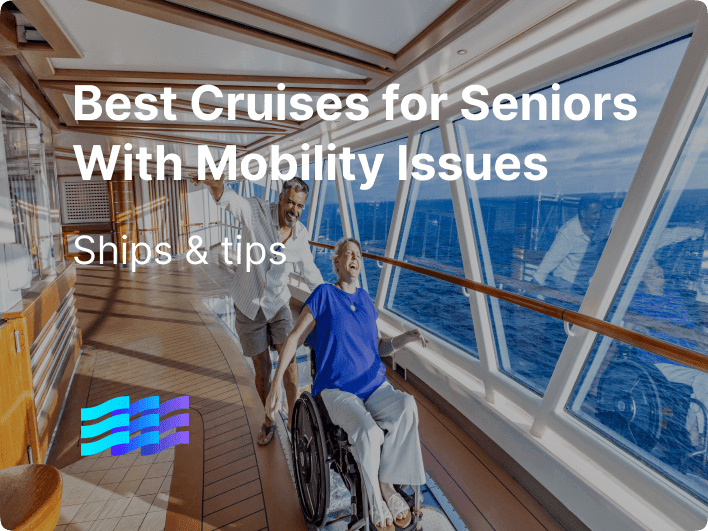
Best Cruises for Seniors With Mobility Issues: Ships & Tips
Cruising is one of the most accessible vacation formats for seniors with mobility challenges—you unpack once, meals are available onboard, and the ship itself becomes part of your destination. Some of the leading cruise lines for seniors with mobility issues include Holland America Line, Celebrity Cruises, Princess Cruises, Viking Ocean, Royal Caribbean, and Norwegian Cruise Line. These lines offer accessible staterooms and mobility-assistance services, although features such as doorway widths, roll-in showers, onboard routes, tender access, and shore excursion support vary by ship and itinerary.
Why Mobility Matters More on Ships Than on Land
On land, you control your environment. On a ship, you're navigating a moving vessel with narrow gangways, tender ports, and decks that can shift underfoot. A hotel room with a step-in tub is a nuisance; the same setup in a cabin at sea becomes a genuine safety risk.
The stakes are higher because the environment is less forgiving—and because cruise itineraries can span multiple countries in a single week, each port presenting its own accessibility variables. Cobblestoned streets in Dubrovnik, steep tender landings in Santorini, or uneven dock surfaces in smaller Alaskan ports can quickly become barriers for passengers using wheelchairs, scooters, walkers, or rollators.
Choosing the right ship from the start—not just the right destination—is the single most impactful decision a mobility-impaired senior can make before booking.
Pro Tip: If you're returning to cruising after a hip or knee replacement, check our dedicated guide on Cruising After Joint Replacement: What Seniors Must Know before selecting your cabin category.
Key Ship Features to Look For
Accessible cruising isn't a single checkbox—it's a combination of design features that work together. Prioritize ships with all of the following:
- Doorway width: Ask the cruise line for the exact clear doorway width of the specific accessible stateroom. A 32-inch clear opening is a useful benchmark for accommodating many wheelchairs and scooters, but doorway dimensions vary by ship and cabin
- Roll-in showers: Distinct from walk-in showers; a true roll-in shower has no threshold and a fold-down bench
- Turning radius space: Confirm that the bathroom and sleeping area provide sufficient clear maneuvering space for your specific wheelchair or scooter. A 60-inch turning space is a useful accessibility benchmark, but cabin layouts and clearances vary by ship and stateroom
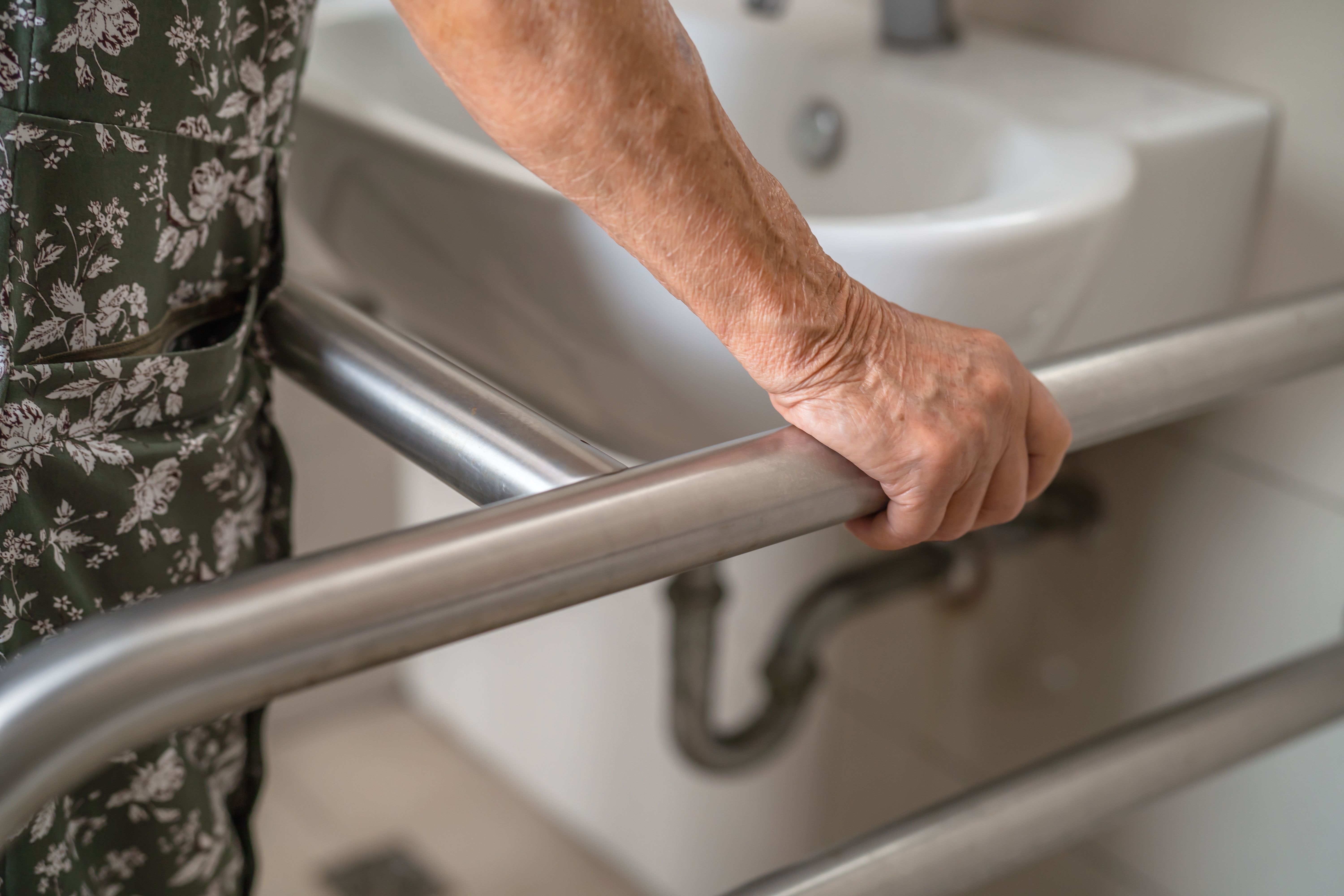
- Grab bars: Confirm the placement of grab bars around the toilet and shower. If bedside support is needed, ask whether an approved bed-assistance device can be provided or used
- Lowered vanities and closet rods: Confirm that the vanity, clothing rails, shelves and in-room safe are accessible from your wheelchair or scooter, as their heights and configurations vary by ship and stateroom
- Power doors: Confirm whether the specific accessible stateroom and frequently used public areas have automatic or power-assisted doors, as availability varies by ship
- Elevator proximity: Check the deck plan and choose an accessible cabin with a convenient route to the elevators and the venues you expect to use most.
- Accessible balconies: Some accessible balcony cabins may have a level, ramped, or slightly raised entrance. Confirm the threshold configuration of the specific stateroom before booking
- Wide corridors throughout the ship: Look for clear, step-free routes and confirm that corridor widths can accommodate your mobility device. A 36-inch-wide route is a useful accessibility benchmark, but actual widths may vary by ship and location
Pro Tip: Review the ship’s deck plan and compare the route from your cabin to the elevators, dining rooms, theater, gangway and other frequently used venues.
Best Cruise Lines for Mobility Accessibility: Compared
Accessibility programs vary significantly across cruise lines. Here's how the top options compare on the features that matter most for seniors with mobility issues.
| Cruise Line | Accessible Cabins | Roll-In Showers | Shore Excursion Support | Tender Port Policy | Corridor Width |
|---|---|---|---|---|---|
| Holland America Line | All ships | Available in designated cabins | Available; varies by port | Case-by-case | Varies by ship |
| Celebrity Cruises | All ships | Available in designated cabins | Wheelchair-accessible vehicles on select tours | Roll-on access is not guaranteed | Varies by ship |
| Princess Cruises | All ships | Available in designated cabins | Available; varies by port | Case-by-case | Varies by ship |
| Viking Ocean | Available subject to inventory | Available in designated cabins | Available by advance request; options may be limited | Guests may need to manage steps; motorized devices generally cannot be accommodated | Varies by ship |
| Royal Caribbean | All ships | Available in designated cabins | Available on select tours and itineraries | Roll-on access is not guaranteed | Varies by ship |
| Norwegian Cruise Line | All ships | Available in designated cabins | Available; varies by port | Case-by-case | Varies by ship |
Holland America Line
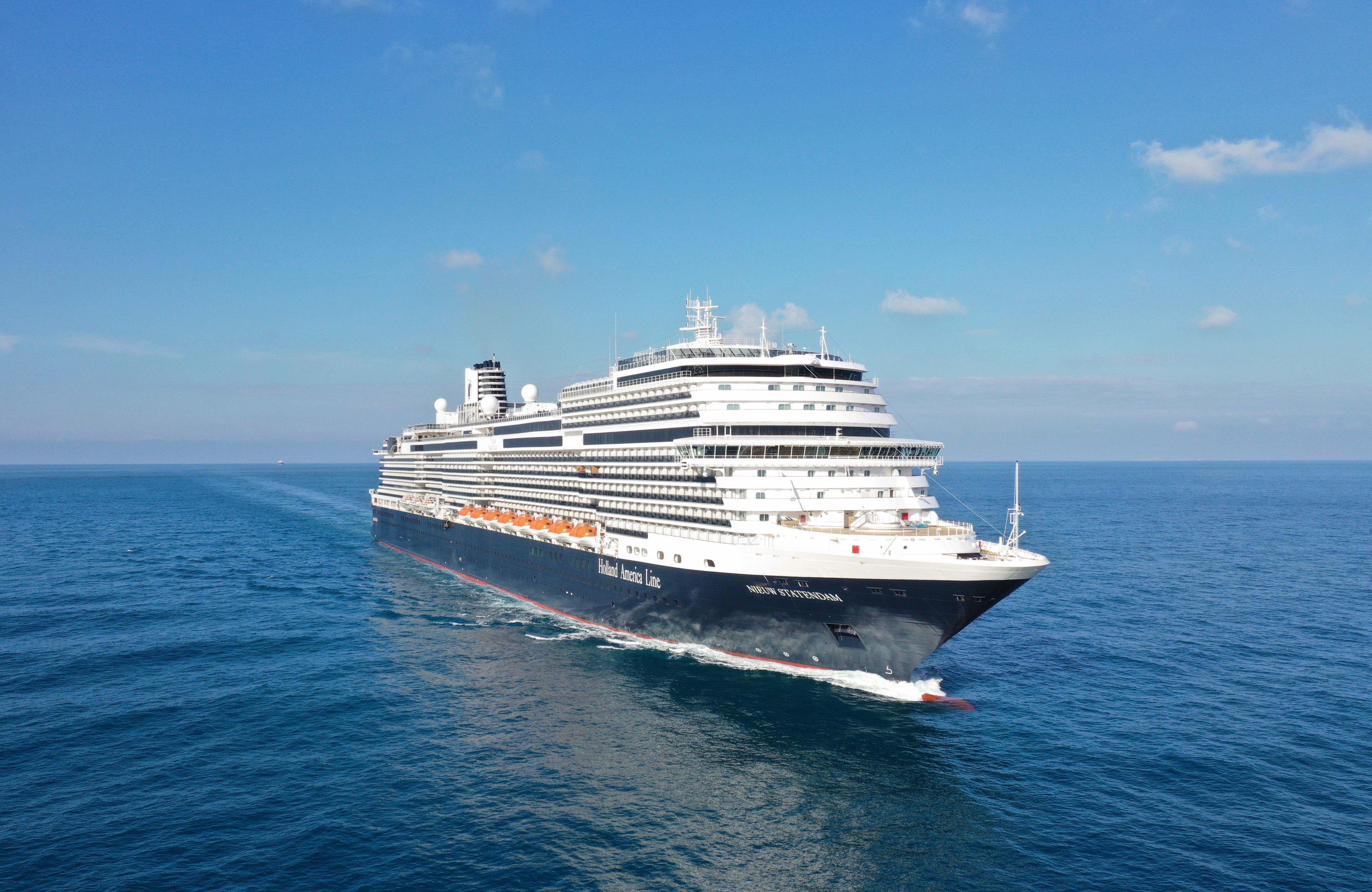
Holland America is a strong option for senior accessibility, with wheelchair-friendly staterooms available across its fleet. Many public venues are accessible by wheelchair or scooter, although access can vary by ship and location. Holland America offers shore excursions across different activity levels, including cultural and enrichment-focused options. Travelers should review each tour’s activity rating and confirm terrain, transportation and accessibility before booking.
Celebrity Cruises
Celebrity’s Edge-class ships—Celebrity Edge, Apex, Beyond, Ascent, and Xcel—are among the line’s strongest options for onboard accessibility. They offer accessible staterooms with wider doorways, roll-in showers, grab bars, lowered fixtures, and accessible verandas in applicable categories. Celebrity also stands out for its shore excursion program, with wheelchair-accessible vehicles equipped with ramps or lifts available on select tours and itineraries. However, tender access remains limited: guests generally must be able to take steps and use a collapsible manual wheelchair unless the tender has roll-on capability, which is not guaranteed.
Princess Cruises
Princess combines solid accessibility infrastructure with senior-friendly programming. Accessible staterooms feature roll-in showers, grab bars, and wider doorways across the fleet. For a detailed comparison of Princess's accessibility features against Holland America's, see our Princess Cruises vs. Holland America: Which Line Wins in 2026? breakdown.
Viking Ocean
Viking Ocean’s ships are smaller, typically carrying 930 guests, which can mean fewer crowds and shorter distances between venues than on larger ships. They feature traditional veranda staterooms, while designated wheelchair-accessible staterooms with wider doors, roll-in showers, and ramped thresholds are available subject to inventory. However, the ships may use gangways or tenders in certain ports, where guests may need to manage steps with minimal assistance. Tender access and mobility-device accommodation depend on the port, vessel, and operating conditions.
Accessible Cabin Types Explained
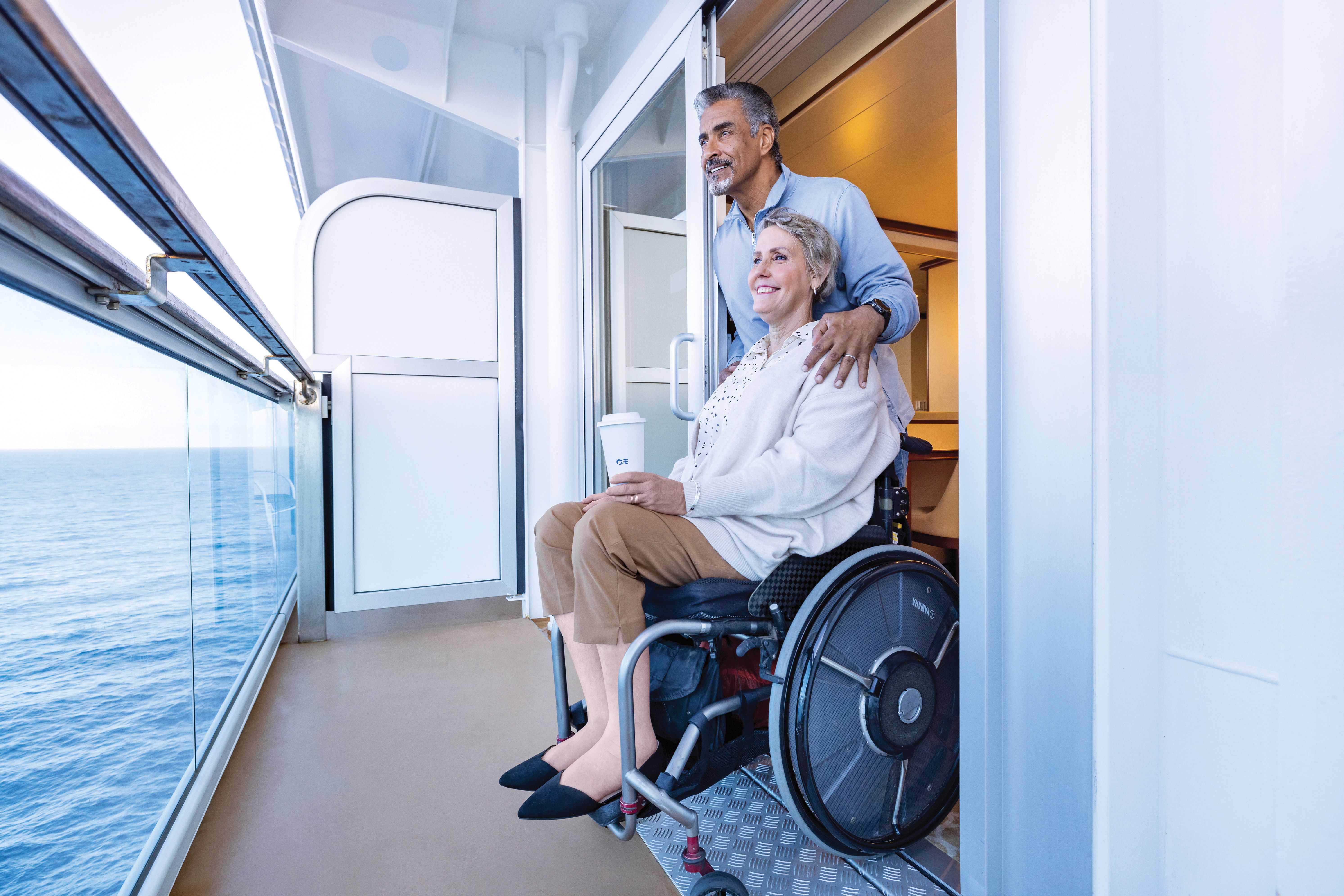
Not all "accessible" cabins are the same. Understanding the categories before you book prevents unpleasant surprises onboard.
Fully Accessible (FA): Cruise lines may use different names or codes for these staterooms. They are generally intended for guests who regularly use wheelchairs or scooters, but features and layouts vary by line and ship.
Ambulatory-accessible cabins: These staterooms are generally intended for guests who can walk short distances but need selected features such as grab bars or a shower seat. Terminology and cabin features vary by cruise line and ship.
Standard Cabins with Accessibility Features: Some lines offer standard cabins that have been partially modified—grab bars in the shower, for example—without meeting the full FA specification. These are often booked by guests who don't need a full accessible cabin and can free up FA inventory for those who do.
Pro Tip: Accessible cabins can book out months in advance, particularly on popular sailings. If you need a fully wheelchair-accessible cabin, book as early as practical because availability is limited. For rollator users who can manage a standard cabin with modifications, our guide on Cruising with a Rollator: Cabin Setup & Accessibility Tips covers what to request at booking.
Tender Ports: The Hidden Risk for Mobility-Impaired Seniors

Tender ports are among the most significant—and least discussed—accessibility risks for seniors with mobility issues. When a ship cannot dock directly at a pier, passengers must transfer to small motorized boats (tenders) to reach shore. This process typically involves:
- Stepping down into a moving tender boat from a ship platform
- Navigating a rocking vessel with limited seating
- Climbing uneven dock stairs at the destination
For passengers using wheelchairs, scooters, or even rollators, this transfer is frequently impossible or unsafe. Most cruise lines reserve the right to deny tender access to mobility-impaired passengers for safety reasons.
Common tender ports to research before booking:
- Santorini, Greece
- George Town, Grand Cayman
- Cabo San Lucas, Mexico
- Kotor, Montenegro (depending on berth assignment)
- Bora Bora, French Polynesia
- Gustavia, St. Barts
Celebrity offers accessible shore excursions in selected ports, but tender access remains limited. Guests generally must be able to manage steps and use a collapsible manual wheelchair unless roll-on capability is available, which is not guaranteed.
Pro Tip: When researching itineraries, search each port name alongside "tender port" to confirm docking status. Port infrastructure changes seasonally and with new pier construction—what tendered two years ago may dock directly today.
Accessible Shore Excursions: How to Book Them
Booking shore excursions through the cruise line offers meaningful advantages for seniors with mobility issues. If a cruise-line tour is delayed, the ship may wait or the line may arrange transportation to the next port. Independent tours follow the operator’s own return policy.
What to look for when booking accessible excursions:
- Wheelchair-accessible coaches: Confirm the specific vehicle has a hydraulic lift, not just a step-in entrance
- Paved routes: Many "accessible" tours still include gravel paths or uneven surfaces; ask specifically about the terrain
- Restroom access: Confirm accessible restrooms are available at each stop
- Pace: Look for tours described as "leisurely" or "cultural" rather than "active" or "hiking"
- Group size: Smaller groups move more slowly and allow more flexibility
Celebrity offers a dedicated accessible shore excursion program, while Holland America may provide accessibility options depending on the port and local provider. Contact the cruise line in advance to confirm availability. For general excursion booking strategy, see our guide on How to Book Shore Excursions: Cruise Line vs. Shore Excursions Group vs. DIY.
Specialist operators like Wheel the World catalog accessibility details for each excursion—including surface measurements, step counts, and restroom configurations—making them a strong option for passengers with more complex needs.
Embarkation and Debarkation Tips
The boarding and disembarkation process is often the most physically demanding part of any cruise—and the most overlooked in pre-trip planning.
Before you arrive:
- Notify the cruise line's accessibility department at booking, not just at check-in. Most lines have dedicated teams (Royal Caribbean's is called the Access Department) that coordinate wheelchair assistance, early boarding, and special dietary needs
- Ask the cruise line whether priority boarding or additional boarding assistance is available, as policies vary by line and terminal.
- Confirm your terminal has accessible parking and drop-off zones; our Florida cruise ports guide covers accessibility details for Port Canaveral, PortMiami, and Port Everglades
At the terminal:
- Confirm wheelchair-assistance availability, cost, and meeting instructions with the cruise line or terminal before departure, as services vary by port. Follow your assigned arrival time and allow extra time during busy boarding periods.
- Luggage can be checked with porters at the curb; you don't need to carry bags through the terminal
At debarkation:
- Request assisted disembarkation through guest services the night before arrival. This service places you in a dedicated holding area and escorts you off the ship with staff assistance
- Avoid the general disembarkation rush (typically 7:30–9:30 AM); assisted debarkation often begins earlier or later, depending on the line
Scooter and Wheelchair Rental: Onboard vs. Bring Your Own
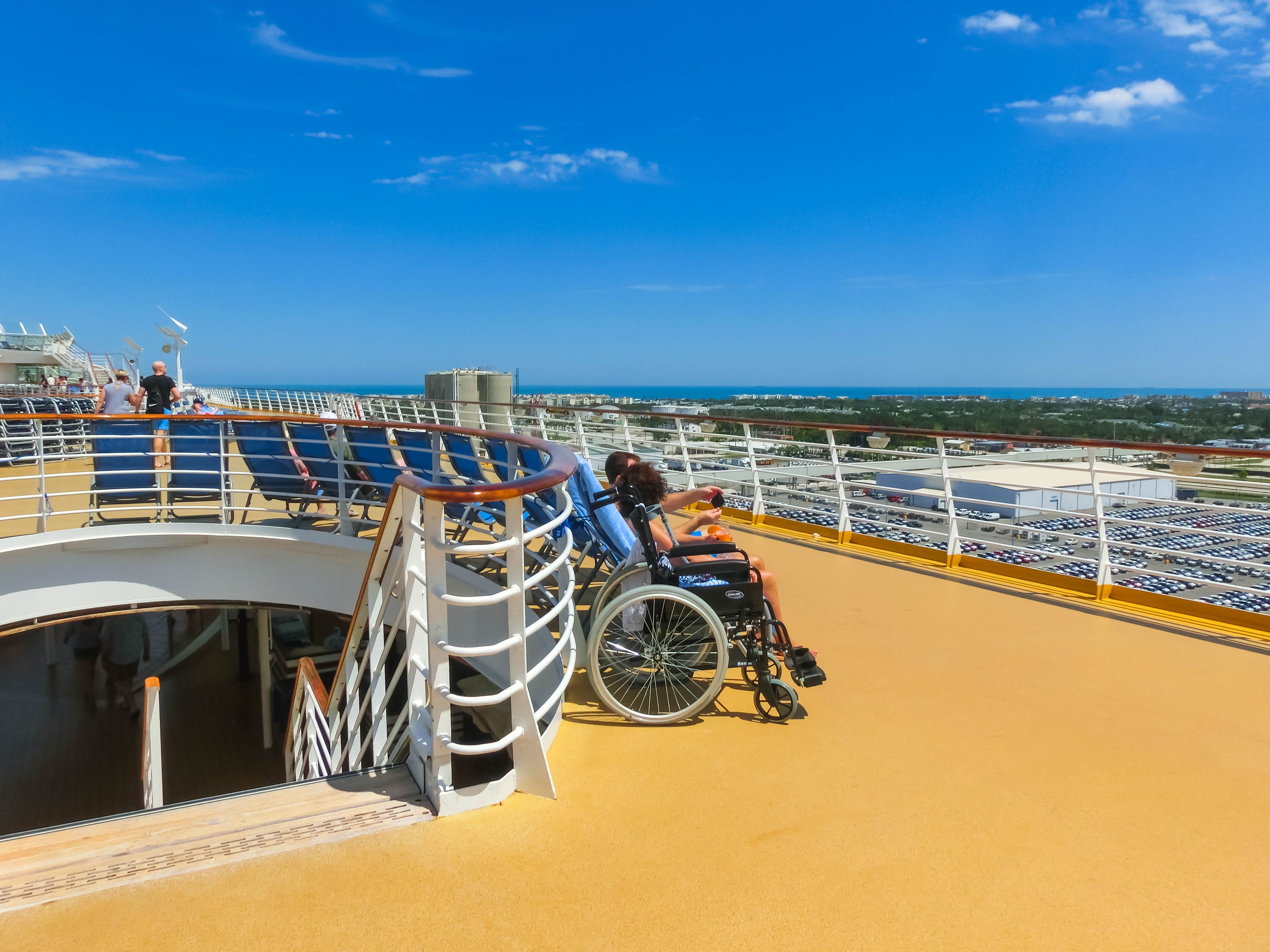
Mobility device logistics require advance planning. Here's what you need to know before you pack—or don't pack—your scooter.
Renting from a third-party provider:
Services like Scootaround and Special Needs at Sea deliver mobility scooters and manual or power wheelchairs directly to your ship before departure. This eliminates the need to transport a heavy mobility device through airports and arrange its handling with the airline. Current examples start at approximately $237–$289 for an eight-day transportable-scooter rental at selected U.S. cruise ports. Prices vary, so request a current quote. Prices vary by device and port, so request a current quote before booking.
Bringing your own device:
If you rely on a specific device you're comfortable with, bringing it is often the better choice for comfort and familiarity. On flights covered by U.S. DOT disability rules, wheelchairs and other assistive devices are transported without an extra baggage fee. Confirm battery, size and advance-notice requirements with the airline. Confirm your cabin's turning radius accommodates your specific scooter model before booking—some power scooters require more than the standard 60-inch turning space.
Key considerations:
| Factor | Renting | Bringing Your Own |
|---|---|---|
| Cost | About $237–$289 for an eight-day rental at selected U.S. ports; rates vary | No extra baggage fee on flights covered by U.S. DOT disability rules |
| Familiarity | May need adjustment time | Full comfort with device |
| Airport logistics | No device to transport | Must navigate airports with device |
| Battery charging | Confirm compatibility with provider | Confirm ship outlet voltage |
| Availability | Book as early as practical | No availability risk |
Pro Tip: If renting, book your mobility device rental at the same time you book your cruise—not after. Inventory on popular sailings depletes quickly, especially during peak summer and holiday periods. For detailed guidance on navigating ships with mobility aids, see our Cruising with Mobility Aids: Cabin & Ship Access Guide for Seniors.
Questions to Ask Before You Book
These specific questions—asked directly to the cruise line's accessibility department before finalizing any booking—can prevent costly mismatches between expectations and reality.
- What is the exact doorway width (in inches) of the accessible cabin I'm booking?
- Does the accessible cabin have a roll-in shower or a step-in shower with grab bars?
- What is the threshold height on the balcony door, if applicable?
- Which ports on this itinerary require tender transfers, and what is the line's policy for wheelchair users at those ports?
- Are wheelchair-accessible coaches available on shore excursions at each port?
- What is the process for requesting priority embarkation and assisted debarkation?
- Are there any steps or thresholds between the gangway and my cabin?
- What is the ship's policy if I need medical assistance during the voyage?
Key Takeaways
- Holland America and Celebrity Cruises are strong options to consider, with accessible staterooms across their fleets and shore excursion assistance available in selected ports.
- Tender ports are the most significant hidden risk—research every port in your itinerary before booking and contact the accessibility department about the line's specific policy
- Fully wheelchair-accessible cabins are limited, so book as early as practical and confirm the exact stateroom rather than relying on a guarantee assignment
- Scooter rentals should be reserved as early as practical once the cruise is confirmed because availability varies by device, departure port and sailing date
- Contact the cruise line’s accessibility department when booking to request boarding assistance, confirm device requirements and discuss shore excursion options; availability varies by sailing and port
Frequently Asked Questions
Q: Which cruise line is best for seniors with mobility issues?
Holland America Line and Celebrity Cruises are strong options for senior mobility accessibility, with accessible staterooms and mobility-assistance services available across their fleets. Features such as roll-in showers, power-assisted doors, accessible routes, excursion vehicles, and tender access vary by ship, cabin, port, and itinerary, so confirm the specific arrangements before booking.
Q: Can wheelchair users go on shore excursions during a cruise?
Yes, but availability and accessibility vary by port and cruise line. Celebrity offers ramp- or lift-equipped vehicles on selected accessible excursions, while Holland America may arrange accessibility options depending on the port and local provider. Advance arrangements are recommended. Tender ports can restrict or prevent wheelchair users from going ashore, depending on the cruise line’s policy and operating conditions.
Q: What is the difference between a Fully Accessible and an Ambulatory Accessible cruise cabin?
A fully wheelchair-accessible cabin is generally intended for guests who regularly use a wheelchair or scooter. Features may include wider doorways, maneuvering space, lowered fixtures, and a roll-in or transfer shower. An ambulatory-accessible cabin is generally intended for guests who can walk short distances but need selected features, such as grab bars or a shower seat. Terminology, layouts, and bathroom configurations vary by cruise line and ship.
Q: How far in advance should I book an accessible cruise cabin?
Book as early as practical, particularly for popular or peak-season sailings. Fully wheelchair-accessible cabins are limited, and availability varies by ship and cabin category, so confirm the exact stateroom rather than relying on a guarantee assignment. Booking early also gives you more time to coordinate embarkation assistance and shore excursion options with the cruise line’s accessibility department.
Q: Can I rent a mobility scooter for a cruise instead of bringing my own?
Yes. Companies like Scootaround and Special Needs at Sea deliver scooters and power wheelchairs directly to your ship before departure. Current examples start at approximately $237–$289 for an eight-day transportable-scooter rental at selected U.S. cruise ports. Prices vary by device, provider, port, and sailing length, so request a current quote. Reserve your mobility equipment as early as practical once your cruise is confirmed, and confirm that your accessible cabin’s maneuvering space accommodates the specific model you are renting.
Q: Do cruise ships have elevators accessible to wheelchair users?
Major cruise ships have passenger elevators, but accessible-cabin locations vary. Check the deck plan for distances to key venues, and expect busier elevators around meals, shows, and port calls. Smaller ships may involve shorter travel distances, although layouts vary.
Fast Facts
- Best For: Seniors with limited mobility, wheelchair and scooter users, post-surgery travelers, and passengers with balance or fatigue-related conditions
- Price Range: Accessible cabin fares vary by ship, sailing date, and cabin category. Compare an accessible stateroom with a standard stateroom in the same category and ask the cruise line to explain any price difference
- Best Time to Book: As early as practical, particularly for peak-season sailings and when a specific accessible cabin is required
- Leading Options to Consider: Holland America Line and Celebrity Cruises; confirm ship- and itinerary-specific accessibility before booking
- Smaller-Ship Option: Viking Ocean carries approximately 930 guests, but gangway, tender and shore-access limitations should be confirmed before booking
- Top Pick for Shore Excursion Support: Celebrity Cruises offers ramp- or lift-equipped vehicles on select accessible tours; availability varies by port and itinerary
- Scooter Rental Partners: Scootaround, Special Needs at Sea
- Key Booking Step: Contact the cruise line's accessibility department at the time of booking—not at embarkation