NYC Winter Cruise Packing List: What to Wear Pier to Port
Cruising from New York City in winter means dressing for two very different climates. Your voyage may begin with freezing temperatures or below-freezing wind chills at the Manhattan Cruise Terminal before reaching much warmer weather later in the sailing. Because this transition may take several days depending on the ship, route, and forecast, the core challenge isn’t packing for cold or warm weather—it’s managing both efficiently so you’re not buried under a parka at the pool or shivering on the gangway in flip-flops
For a deeper look at which ships and itineraries depart from New York in winter, see our guide to Cruising from NYC in Winter: Best Ships & Cold-Weather Tips.
Why NYC Winter Departure Is a Unique Packing Challenge

Many cruise packing guides focus on warm-weather embarkation ports—Fort Lauderdale, Miami, and Tampa—where travelers often arrive in mild or warm conditions. NYC winter departures flip that script entirely.
The Manhattan Cruise Terminal, operating at Piers 88 and 90 on Manhattan’s West Side, sits directly along the Hudson River. Its exposed waterfront location can feel colder when wind chill is a factor, so check the hourly temperature, wind, precipitation, and “feels like” forecast before leaving for the terminal. Based on National Weather Service climate normals, January temperatures average approximately 39.5°F by day and 27.9°F at night, while February averages approximately 42.2°F and 29.5°F. Because arrival, luggage handoff, and terminal processing may involve some outdoor exposure, dress for an unexpected wait—especially when snow, sleet, or freezing rain is forecast.
The secondary challenge is the transition to warmer latitudes. Depending on the itinerary and forecast, you may spend several cool sea days sailing south—and need your winter layers again when the ship returns to New York. That means bringing enough cold-weather gear for embarkation, transitional sea days, and disembarkation while keeping bulky items to a minimum in a cabin with limited storage.
Pier Day Outfit: What to Wear at Embarkation

Your embarkation day outfit should be treated as functional cold-weather gear, not a travel fashion moment. Your cold-weather layers can be stored in your cabin once you board, so prioritize warmth and practicality over style.
Wear to the terminal (do not pack these):
- Outer layer: A wind-resistant, waterproof jacket or shell — not a fashion coat. Down-filled is ideal for warmth-to-weight ratio. If snow or sleet is forecast, waterproofing is non-negotiable.
- Mid layer: A fleece pullover or insulated vest worn over a base layer
- Base layer: Moisture-wicking thermal top (merino wool or synthetic — not cotton, which holds moisture and chills you)
- Bottom: Warm pants or lined jeans — avoid thin leggings without a thermal layer underneath
- Head: Wool or fleece hat that covers your ears fully
- Hands: Insulated gloves or mittens
- Neck: Gaiter or scarf — the Hudson wind makes this essential, not optional
- Feet: Water-resistant or waterproof boots with reliable traction for wet, slushy, or potentially icy sidewalks and terminal surfaces.
- Socks: Wool or thermal blend — avoid cotton
Pro Tip: Wear your bulkiest cold-weather items on embarkation day rather than packing them. A heavy parka, thick boots, and a chunky scarf can consume a substantial amount of carry-on space. Wearing them leaves more room for the items you’ll use throughout the voyage.
Layering System for the First 24 Hours Onboard
Once you board, you’ll be in a transitional zone. Because checked luggage may not reach your stateroom until later in the day, keep your medications, documents, valuables, weather layers, and first-evening essentials in your carry-on. The ship will be warm inside, but open decks may remain cold during the first day out of New York—especially while watching the sailaway or spending time on the pool deck.
The three-layer system for day one:
| Layer | Purpose | Recommended Items |
|---|---|---|
| Base layer | Moisture management | Merino wool or synthetic thermal top |
| Mid layer | Insulation | Packable down jacket or fleece pullover |
| Outer layer | Wind/spray protection | Lightweight rain shell or windbreaker |
Keep your mid and outer layers accessible in your carry-on bag — not buried in checked luggage. The ship will be warm inside, but stepping out to the deck on day one without a layer is a common mistake that sends passengers back to their cabins repeatedly.
Pro Tip: A packable down jacket—the kind that compresses into its own pocket—is one of the most useful cold-weather items for an NYC winter cruise. It is easy to store when not needed and can be reused during the return journey.
Dual-Climate Packing Strategy: Cold to Warm Destinations
Many NYC winter cruises head to the Caribbean—Eastern, Western, or Southern—although itinerary lengths and availability vary by cruise line and season. A smaller number of New York itineraries may visit Bermuda, depending on the year’s sailing schedule. Bermuda is not tropical; winter temperatures are generally in the 60s, with an average January daytime high of about 65°F, giving it a cooler weather profile than the Caribbean.
The dual-climate strategy is simple: pack cold-weather layers efficiently and pack fully for warmer days and destinations.
Cold-weather items — keep the list short:
- 1 packable down jacket or heavy fleece
- 1 waterproof outer shell (rain jacket doubles as windbreaker)
- 1 warm hat, 1 pair gloves, 1 scarf or gaiter
- 1–2 thermal base layer tops
- 1 pair warm pants (can double as casual evening wear)
- 1 pair waterproof boots (worn on embarkation day)
Warm-weather items — pack fully for these:
- Swimwear: 2–3 pieces so one is always dry
- Cover-ups: 2 lightweight options (sarong, linen shirt, or kaftan)
- Sandals: 1 pair casual (beach/pool), 1 pair slightly dressier for dinner
- Shorts: 2–3 pairs, quick-dry preferred
- Light shirts: 4–5 linen, cotton, or moisture-wicking
- Sun dresses or casual evening wear: 2–3 for women
- 1–2 dressier outfits for specialty dining or formal nights (check your cruise line's dress code)
- Broad-spectrum sunscreen that meets your destinations’ regulations
- Lightweight cardigan or wrap for over-air-conditioned dining rooms
Pro Tip: Evening dress expectations vary by cruise line. Royal Caribbean may schedule “Dress Your Best” evenings, MSC holds Gala Nights, and Norwegian generally follows a relaxed resort-style policy in which dressing up is optional. Check the current policy for your ship and sailing before packing—one versatile blazer, dress, or other polished outfit is usually more practical than multiple formal options.
Luggage Tips: Keeping Warm Gear Accessible, Not Buried
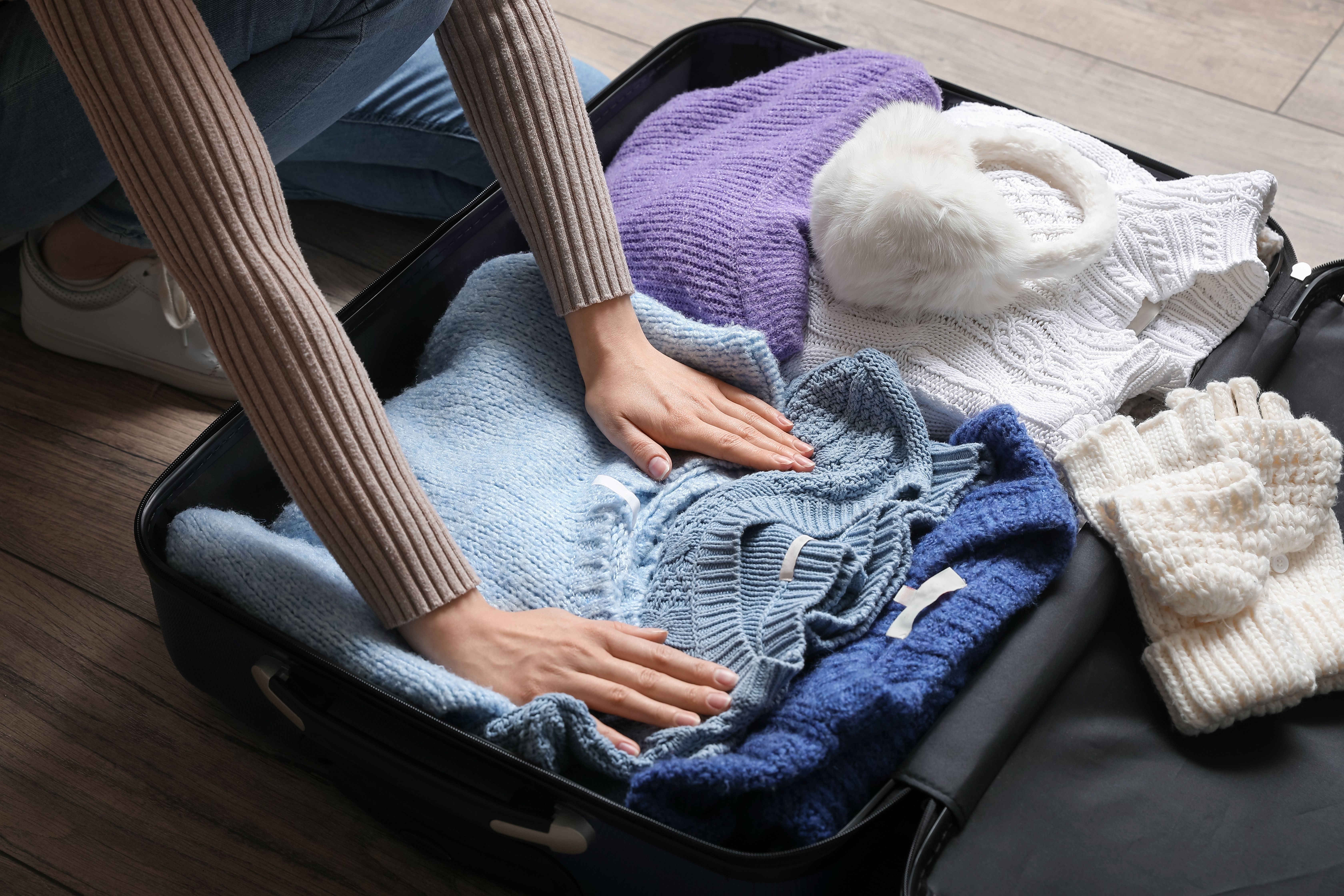
Checked luggage is handed to porters at the terminal and may not reach your cabin until later in the day. Keep anything needed during embarkation and the first few hours onboard in your carry-on.
What to keep in your carry-on for embarkation day:
- Full change of clothes sealed in a zip-lock bag (in case of weather delays or luggage issues)
- All essential medications
- Hand warmers (chemical heat packs — useful for the terminal queue)
- Packable hat and gloves (backup pair if your primary gets wet)
- Electronics and charging cables
- Required identification, travel documents, and cruise boarding pass
- Broad-spectrum sunscreen that meets your destinations’ regulations
Luggage organization for dual-climate packing:
Use packing cubes to separate your cold- and warm-weather wardrobes. Label or color-code them so that when your checked bag arrives, you can unpack the warm-weather cube and keep the cold-weather cube accessible for cooler sea days. Once conditions warm, store it on an overhead shelf or under the bed until the return journey.
Pro Tip: Waterproof your checked bags internally, not just externally. Use a large garbage bag or waterproof liner inside your suitcase. An internal waterproof liner or resealable packing bags can provide extra protection during rain, snow, or curbside luggage handoff.
For more guidance on choosing the right bag for cruise travel, our Best Luggage for Cruises guide covers hard-side vs. soft-side options, size considerations, and what fits in standard cruise cabin storage.
Easy-to-Forget Items for Winter NYC Departures
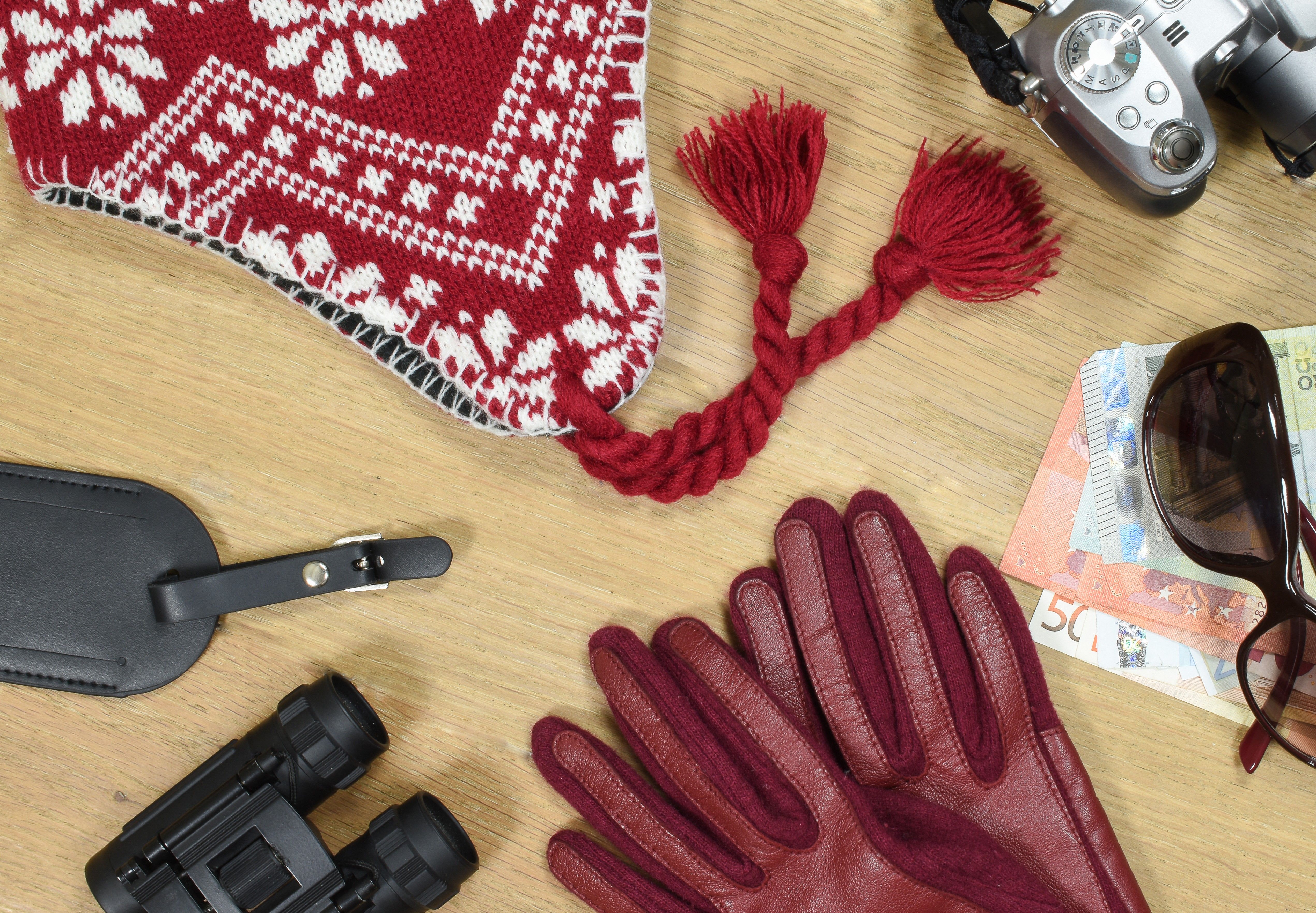
These easy-to-overlook items are not always included on standard cruise packing lists because they are particularly relevant to cold-weather embarkation.
Useful items to consider:
- Hand warmers: Chemical heat packs are inexpensive and invaluable during the terminal queue. Buy a 10-pack and keep several in your coat pockets.
- Lip balm with SPF: Cold wind on the pier, then direct Caribbean sun — lips take a beating in both directions.
- Waterproof boot spray: If you're wearing leather or suede boots, treat them before departure. Slushy NYC sidewalks and wet terminal ramps are hard on footwear.
- A tote bag or day bag for the terminal: Your carry-on goes through security screening. A separate lightweight tote for the queue (snacks, hand warmers, your phone) keeps things accessible without digging through your carry-on repeatedly.
- Compression socks: If you are flying into NYC or have circulation concerns or blood-clot risk factors, ask a healthcare professional whether they are appropriate for your trip.
- Small umbrella or packable rain poncho: Not for the ship — for the terminal. If it's raining or sleeting, an umbrella is useful from your vehicle/taxi to the terminal entrance.
- Seasickness medication: Sea conditions can vary during any voyage. If you are prone to motion sickness, keep your preferred remedy in your carry-on and ask a healthcare professional about suitable options and possible interactions before traveling. Our guide to Best Motion Sickness Medicine for Cruises covers prescription and over-the-counter options.
What to Leave at Home
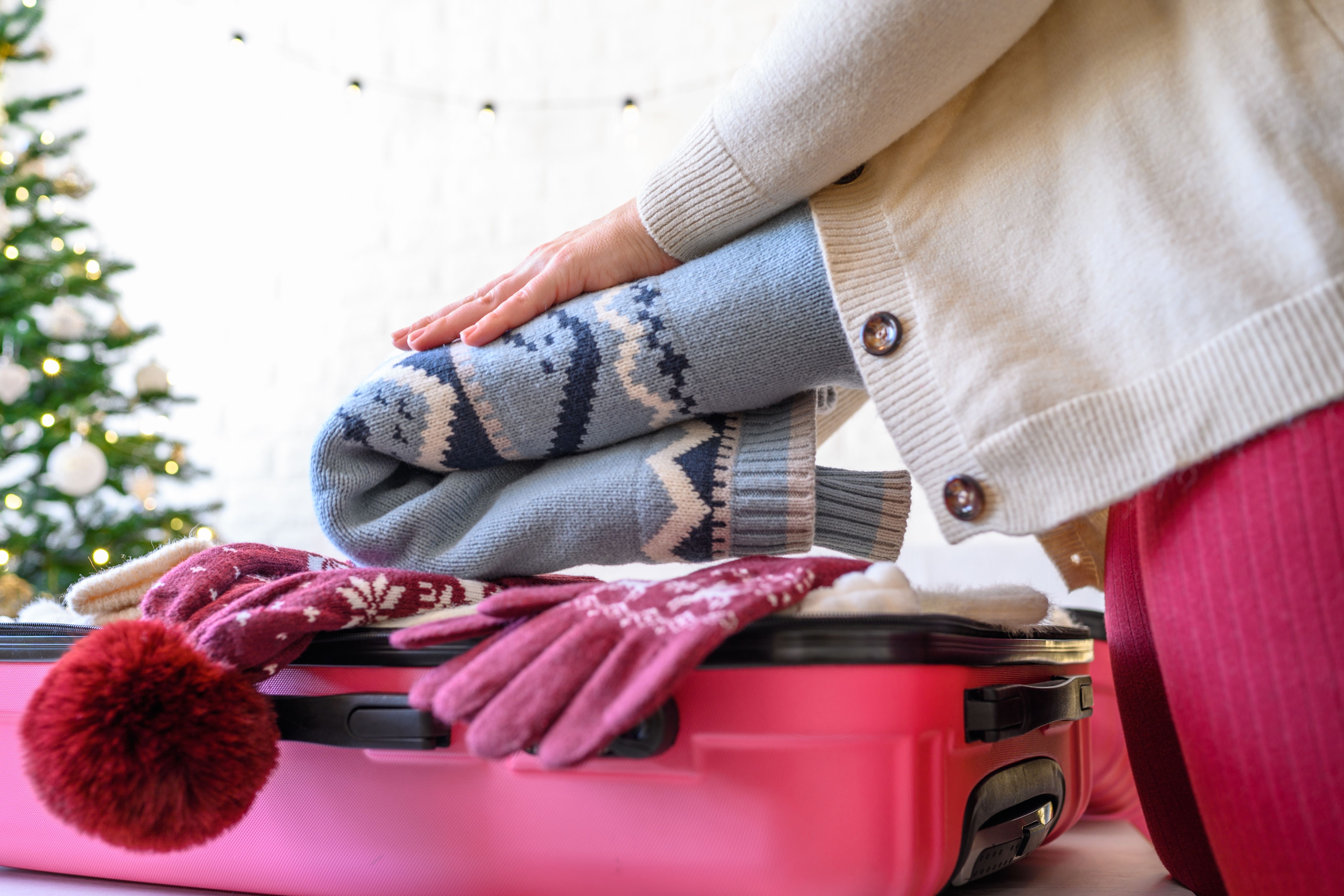
It is easy to overpack for an NYC winter cruise, particularly when preparing for both cold and warm weather. The following items can take up unnecessary luggage space:
| Leave This | Reason | Better Alternative |
|---|---|---|
| Heavy snow boots | Bulky and often unnecessary | Water-resistant ankle boots or trail shoes with reliable traction |
| Multiple formal outfits | Evening-attire policies vary by cruise line and sailing | One versatile polished outfit; check your ship’s current dress policy |
| Unnecessary full-size toiletries | They add weight and occupy luggage space | Right-size containers for the trip; follow TSA limits if flying |
| A separate travel-day outfit | It may duplicate clothing already packed | Comfortable layers that work for your flight or terminal arrival |
| Cotton base layers | Retain moisture and dry slowly | Merino wool or synthetic thermal base layers |
| Multiple heavy sweaters | Bulky layers can consume unnecessary space | One versatile fleece, sweater, or packable insulated layer |
| Bulky hair tools | Many ships provide an in-room hair dryer | Confirm your cabin’s amenities and pack only the specialty tools you need |
Pro Tip: Check your specific ship’s cabin amenities before packing hair tools. Many mainstream ships provide an in-room hair dryer, although its location and power vary. Confirm what is available in your ship and stateroom before deciding to leave your personal hair dryer at home.
Complete NYC Winter Cruise Packing Checklist
Use this as your master reference, organized by category and climate zone.
Wear to the Terminal (Not Packed)
- Wind-resistant, waterproof outer jacket
- Wool or fleece hat (ear-covering)
- Insulated gloves
- Neck gaiter or scarf
- Moisture-wicking thermal base layer top
- Warm pants or lined jeans
- Waterproof boots with traction
- Wool or thermal-blend socks
Cold-Weather Items (Packed — For Transitional Sea Days and the Return)
- Packable down jacket or heavy fleece
- Lightweight waterproof rain shell
- 1–2 additional thermal base layer tops
- Backup warm hat and gloves
- 1 pair warm socks (beyond what you wear)
Warm-Weather Items (Packed — For Warmer Sea Days and Ports)
- Swimwear (2–3 pieces)
- Cover-ups (2)
- Beach/pool sandals
- Dressier sandals or flats
- Shorts (2–3 pairs, quick-dry)
- Light shirts (4–5)
- Sun dresses or casual evening wear (2–3)
- 1 dressier outfit for formal/specialty dining
- Lightweight cardigan or wrap (for ship AC)
- Broad-spectrum sunscreen that meets applicable port regulations
- Sunglasses with UV protection
- Reusable water bottle
Carry-On Essentials (Never Check These)
- All medications (full trip supply)
- Required identification, travel documents, and cruise boarding pass
- Electronics and charging cables
- Hand warmers (4–6 packs)
- Full change of clothes in a sealed bag
- Seasickness medication
- Lip balm with SPF
- Small umbrella or packable rain poncho
Footwear Summary
- Waterproof boots (worn on embarkation day)
- Casual sneakers or walking shoes (sea days, casual ports)
- Beach/pool sandals
- Dressier shoes for evening (1 pair maximum)
Key Takeaways
- Wear your bulkiest cold-weather gear on embarkation day — a parka, boots, gloves, and hat take up substantial luggage space, but keep these items accessible for the return north.
- Prepare for waterfront winter conditions — wind can make cold temperatures feel more severe, and parts of arrival or luggage handoff may involve outdoor exposure. Check the hourly forecast and dress accordingly.
- Pack a packable down jacket as your primary cold-weather piece — it is easy to store when not needed and can be reused during the return north.
- Keep carry-on essentials cold-weather specific: hand warmers, backup hat and gloves, seasickness meds, and a sealed change of clothes cover most embarkation day emergencies.
- Keep cold-weather packing efficient — a weather-resistant shell, insulating layer, thermal base layer, and winter accessories should cover most needs, depending on the forecast.
Frequently Asked Questions
Q: What is the best outfit to wear on embarkation day for a winter NYC cruise?
A waterproof, wind-resistant outer jacket is the most important piece — the exposed Hudson River waterfront can feel colder when wind chill is a factor. Layer it over a moisture-wicking thermal base layer and a fleece or insulated mid layer. Wear waterproof boots with traction, a wool or fleece hat that covers your ears, insulated gloves, and a neck gaiter or scarf. Everything you wear to the terminal can be stored in your cabin once you board.
Q: How cold is the Manhattan Cruise Terminal in winter?
Based on National Weather Service climate normals for Central Park, January averages approximately 39.5°F by day and 27.9°F at night, while February averages approximately 42.2°F and 29.5°F. Conditions at the exposed Hudson River waterfront may feel colder when wind chill is a factor. Because arrival and luggage handoff may involve some outdoor exposure, check the hourly forecast and dress for an unexpected wait. If snow or sleet is forecast, waterproof outerwear and footwear are advisable.
Q: Should I pack heavy winter clothes for a NYC-to-Caribbean cruise?
Keep cold-weather packing efficient, but bring enough for embarkation, transitional sea days, the return north, and disembarkation. The most practical approach is one packable insulated jacket, one weather-resistant shell, one or two thermal base-layer tops, and winter accessories such as a hat, gloves, and scarf. Depending on the forecast, avoid packing multiple heavy sweaters or bulky snow boots that may consume unnecessary luggage space.
Q: What should I keep in my carry-on for a winter NYC cruise embarkation?
Your carry-on should include all medications, travel documents, electronics, hand warmers, a sealed change of clothes, seasickness medication, and backup cold-weather accessories (hat and gloves). Checked luggage is collected at the terminal and delivered to your cabin hours after boarding — anything you need for embarkation day and the first few hours onboard must be with you in your carry-on.
Q: Do I need waterproof luggage for an NYC winter cruise?
Your luggage does not need to be waterproof on the outside, but an internal waterproof liner or resealable packing bags can provide extra protection during rain, snow, or curbside luggage handoff. A large plastic bag or purpose-made suitcase liner can help prevent exterior moisture from reaching your clothing.
Q: What footwear works best for a NYC winter cruise departure?
Wear waterproof ankle boots or insulated waterproof hiking-style boots to the terminal — they handle wet sidewalks, icy ramps, and cold queuing areas. Pack one pair of casual sneakers or walking shoes for sea days and casual ports, one pair of beach sandals, and one pair of dressier shoes for evenings. Four pairs of shoes covers every scenario without overpacking.
Fast Facts
- Best For: Travelers taking winter Caribbean or other cold-to-warm itineraries from New York; verify destination, duration, and seasonal availability for the specific sailing
- Key NYC Embarkation Ports: Manhattan Cruise Terminal at Piers 88 and 90; Brooklyn Cruise Terminal in Red Hook
- NYC Winter Climate Normals: January averages approximately 39.5°F/27.9°F for the daily high and low; February averages approximately 42.2°F/29.5°F
- Cold-Weather Gear Usage: Embarkation, transitional sea days, the return north, and disembarkation, depending on the forecast
- Useful Optional Item: Hand warmers for cold-weather embarkation and any outdoor wait at the terminal.
- Top Packing Tip: Wear your bulkiest winter items to the pier and keep a compact layering system accessible for transitional sea days and the return north
- Related Guide: NYC Winter Cruise Embarkation: Cold-Weather Survival Guide
- Best Luggage Resource: Best Luggage for Cruises