Best Mediterranean Cruise Ports for First-Timers in 2026
The Mediterranean is one of the most rewarding cruise destinations on earth, packing ancient ruins, whitewashed villages, and world-class cuisine into a single itinerary. For first-timers, the key to a great experience is knowing which ports are genuinely easy to navigate and which ones require more planning than a single port day allows. This guide breaks down the top Mediterranean cruise ports for 2026, ranked by accessibility, shore time value, and overall first-timer experience.
Why the Mediterranean Works So Well for First-Time Cruisers
A 7- to 10-night Mediterranean cruise gives first-timers something rare: the ability to visit five or more countries without repacking a suitcase. The region's cruise infrastructure is mature, English is widely spoken in port areas, and the concentration of UNESCO World Heritage Sites per square mile is unmatched anywhere in the world.
The Western Mediterranean — typically Barcelona to Rome or Rome to Athens — is the most beginner-friendly routing. Ports are well-organized, tender operations are minimal, and the cities themselves have robust public transit. Eastern Mediterranean itineraries add Greek islands and Croatia, which introduce more logistical complexity but deliver extraordinary scenery in return.
For timing, May, June, and September are the sweet spot for first-timers. July and August bring peak crowds and temperatures above 100°F in some ports, which can make a packed port day feel exhausting rather than exhilarating. For a full seasonal breakdown, see our guide on the best time for a Mediterranean cruise.
Pro Tip: Book a cruise that departs from and returns to the same port (a "round-trip" Med sailing) rather than a one-way repositioning itinerary. It simplifies flights significantly and is almost always more affordable for first-timers.
Rome (Civitavecchia): The Port That Requires the Most Planning
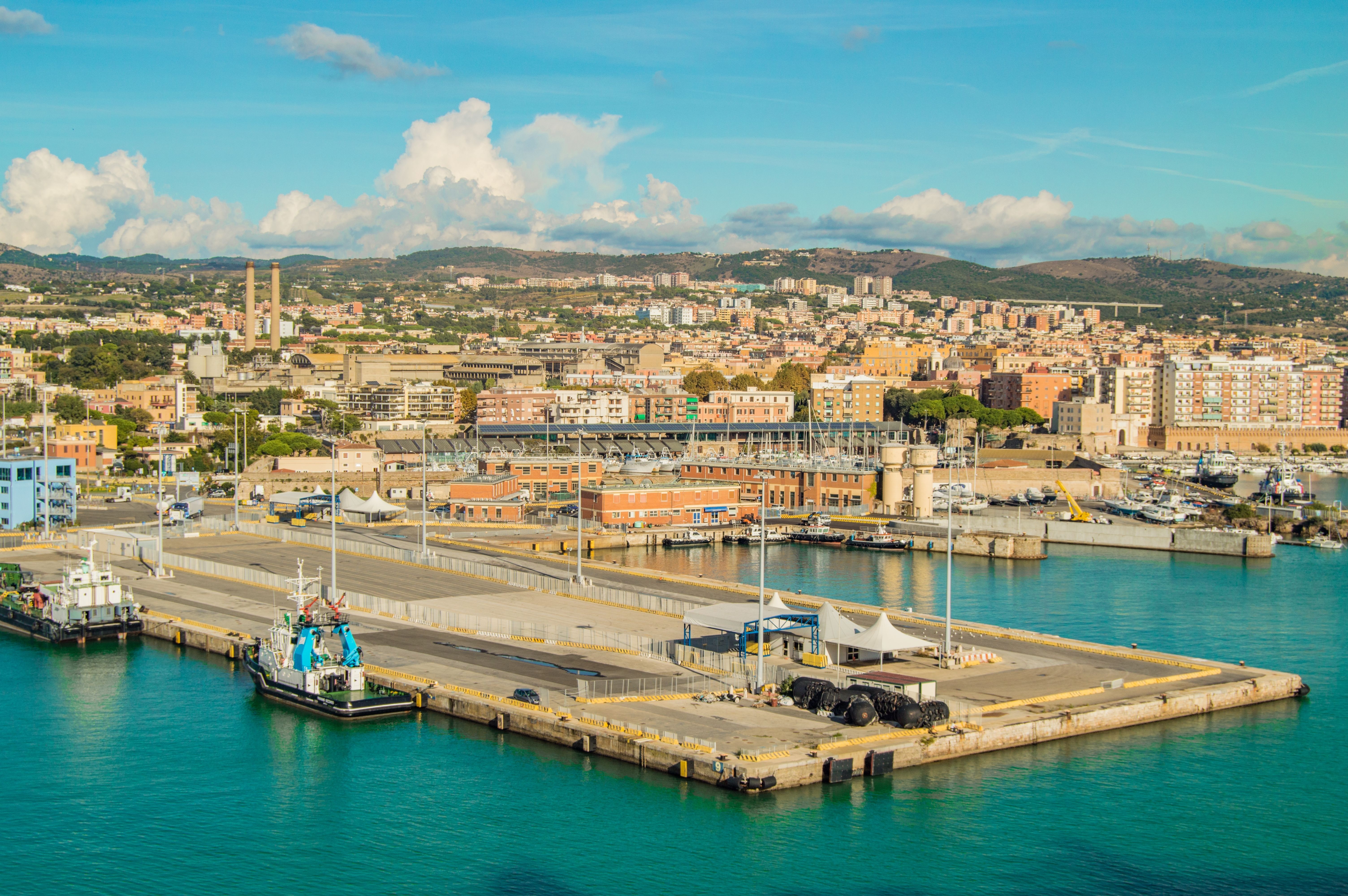
Civitavecchia is the cruise port for Rome, and it's the one port on this list that trips up first-timers most often. The port is approximately 50 miles from central Rome — a 60- to 90-minute journey each way depending on traffic and transport method.
Getting to Rome from Civitavecchia:
- Regional Trenitalia train (FL5 line): The most reliable option. Trains run roughly every 30–60 minutes from Civitavecchia station to Rome (Roma Termini, Ostiense, or San Pietro) and take about 60–75 minutes.
- Cruise line shuttle bus: Convenient but adds cost and typically drops you at a fixed point in the city.
- Private transfer: Comfortable and door-to-door, but significantly pricier. Worth it for groups of 4+.
- Taxi: Available but expensive for the full Rome distance.
Given the transit time, you're realistically losing 2.5–3 hours of your port day to travel. That means Rome is a port best suited to focused, pre-planned itineraries — choose two or three sites maximum. The Colosseum and Roman Forum together, or Vatican City, are each a half-day commitment on their own.
If you're planning to arrive a day early before your cruise departs from Civitavecchia, our guide on the best place to stay in Rome before a cruise covers the most convenient neighborhoods and hotel options.
Pro Tip: Pre-book timed entry tickets for the Colosseum and Vatican Museums before you leave home. Walk-up lines can consume 90+ minutes — time you simply don't have on a port day.
Barcelona: The Gold Standard for First-Timer Port Days
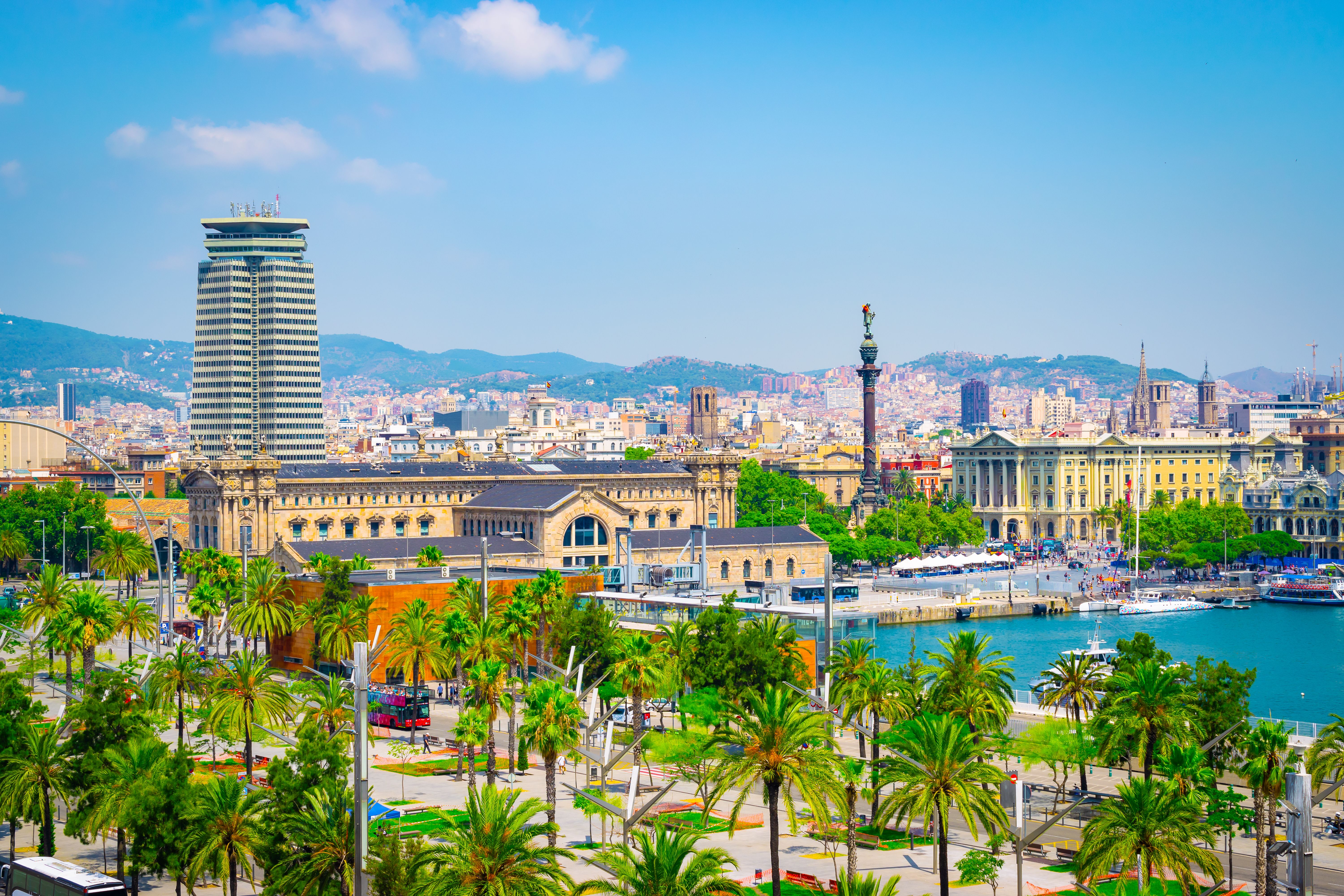
Barcelona is the easiest major Mediterranean port for first-time cruisers, and it's not particularly close. The cruise terminal at the Port of Barcelona sits near the entrance to the city’s historic waterfront. Most large cruise ships dock at the Moll Adossat terminals, about 2 km from the city center, with shuttle buses connecting the port to the Columbus Monument at the base of La Rambla. From there, the Gothic Quarter and central Barcelona are easily explored on foot.
What makes Barcelona exceptional for first-timers:
- Zero transit complexity: Shuttle buses connect the cruise terminals to the Columbus Monument at the base of La Rambla, placing you within a short walk of the Gothic Quarter and central Barcelona
- Walkable concentration of landmarks: Sagrada Família, Park Güell, Casa Batlló, and the Gothic Quarter are all reachable by metro (clean, well-signed, cheap) or taxi
- Strong English signage throughout the tourist core
- Excellent food infrastructure at every price point
Barcelona frequently serves as both an embarkation port and a port of call. If it's your embarkation point, arriving a day or two early is strongly recommended — the city rewards extra time. If it's a port of call, prioritize Sagrada Família (book timed entry in advance) or a self-guided walk through the Gothic Quarter and La Boqueria market.
| Landmark | Distance from Port | Best Transport | Time Needed |
|---|---|---|---|
| La Rambla / Gothic Quarter | 10–20 min walk | Walk | 2–3 hours |
| Sagrada Família | ~30 min via Metro (L2/L5) | Metro | 2–3 hours |
| Park Güell | 45 min via Metro + walk | Metro | 2 hours |
| Camp Nou | 40 min via Metro L5 | Metro | 1.5–2 hours |
| Montjuïc | 20 min via cable car | Cable car / Bus | 1.5 hours |
Pro Tip: Book balcony cabins on the starboard side when departing Barcelona in the evening — the views of the illuminated city skyline as you sail out are spectacular and among the most photographed departure moments in Mediterranean cruising.
Santorini and Mykonos: Iconic but Operationally Challenging
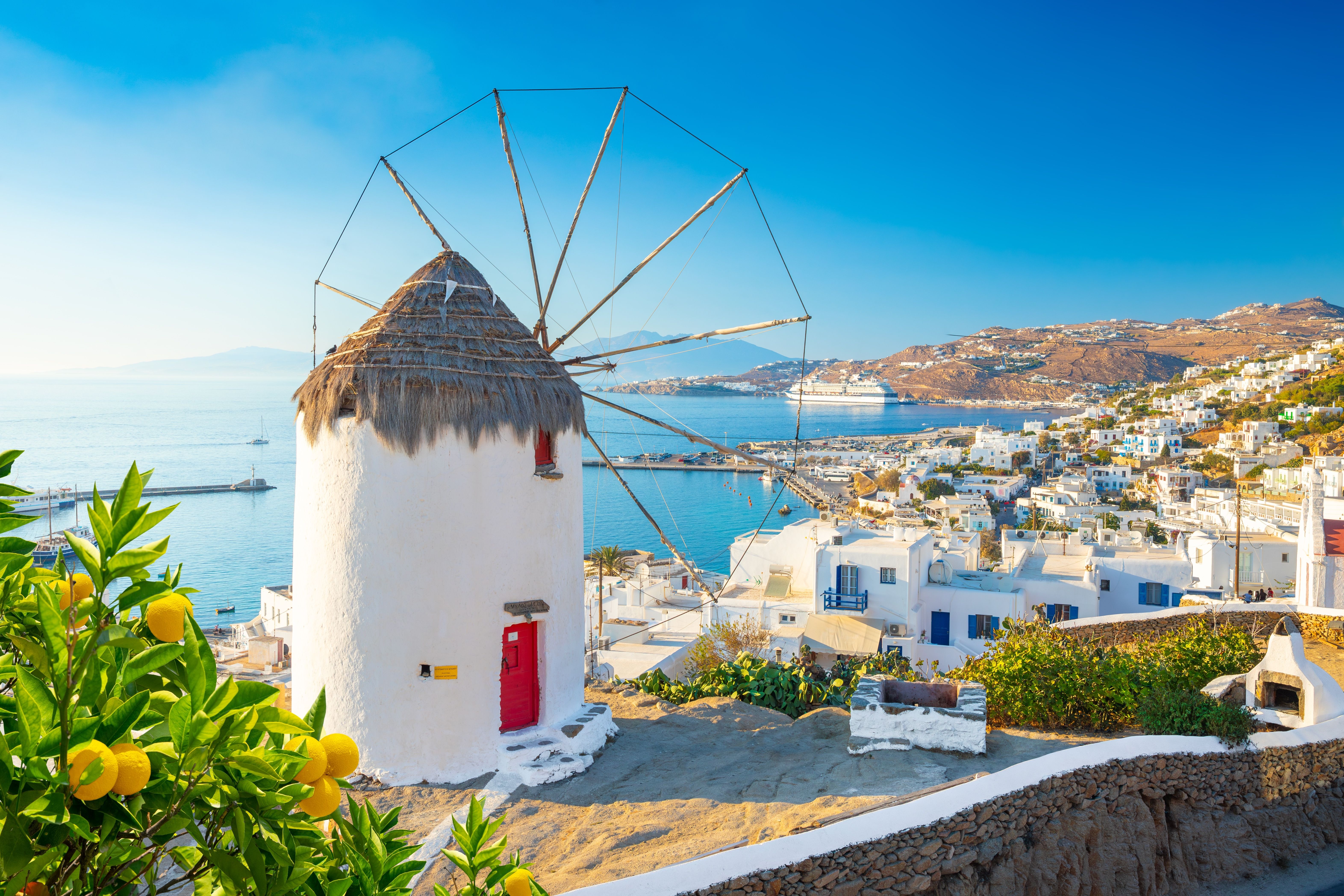
The Greek islands are the most visually dramatic stops in Mediterranean cruising, but they come with operational realities that first-timers should understand before boarding.
Santorini
Santorini has no dedicated cruise pier capable of docking large ships. Most vessels anchor in the caldera and tender passengers ashore to the Old Port below Fira. From there, you have three options to reach the clifftop town: cable car (fast but often with long lines), the donkey path (scenic but strenuous), or walking the steep steps. The village of Oia — famous for its blue-domed churches and sunset views — is about a 30–40 minute drive or roughly a 2.5-hour walk from Fira.
Tender wait times during peak summer months (July–August) can run 45–75 minutes each way. This is the single biggest time drain for first-timers in Santorini. Prioritize early tender tickets, which are often distributed the evening before.
Mykonos
Mykonos is more straightforward than Santorini. Ships either dock at the New Port (a short bus or taxi ride to town) or tender to the Old Port (walking distance to Mykonos Town). The island is compact, and the famous windmills and Little Venice neighborhood are easily reachable on foot from the waterfront.
Mykonos is better suited to independent exploration than Santorini. The town is walkable, taxis are available, and the beaches (Paradise, Super Paradise) are accessible by bus or water taxi.
Pro Tip: On Santorini, book a ship-organized excursion to Oia rather than going independently. The cruise line's buses have guaranteed return times — critical when tender cutoffs are strictly enforced.
For more on planning a Greek island cruise itinerary, our guide to the best Greek cruises covers itinerary options across multiple cruise lines.
Dubrovnik: Croatia's Crown Jewel
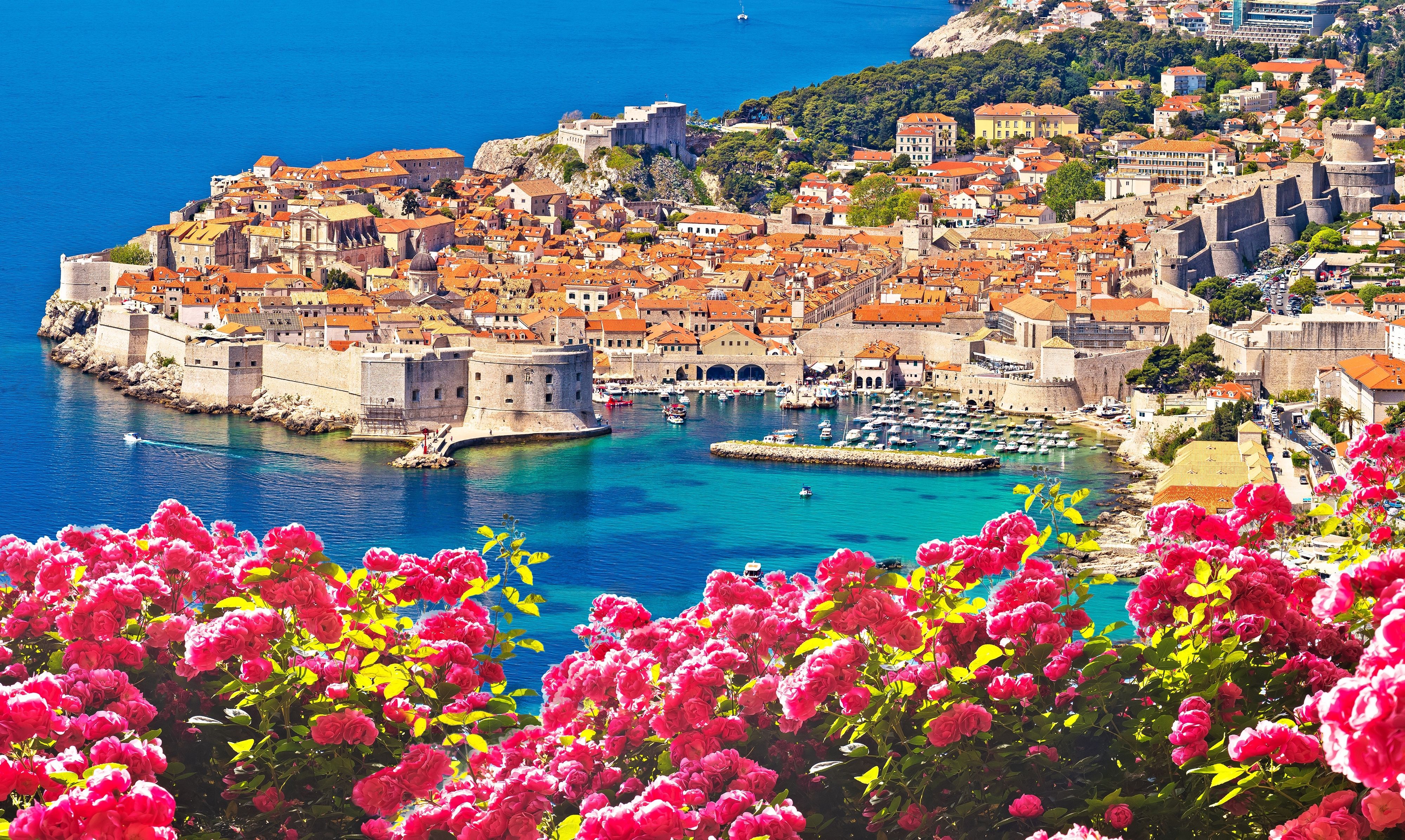
Dubrovnik is one of the most visually complete cities in the Mediterranean — the Old Town is entirely enclosed by medieval walls and has been immaculately preserved. For first-timers, it offers an experience that feels genuinely unlike anywhere else in Europe.
Port logistics: Large ships dock at Port of Gruž, about 3 km from the Old Town. Taxis, Ubers, and local buses (Line 1A/1B) connect the port to Pile Gate, the main entrance to the walled city. Journey time is 10–15 minutes.
What to prioritize in Dubrovnik:
- City Walls walk: The 2 km circuit around the walls takes 1–2 hours and provides the best views of the Old Town and Adriatic. Buy tickets at Pile Gate.
- Stradun: The main limestone-paved boulevard through the Old Town is the social spine of the city.
- Cable car to Mount Srđ: 15-minute ride for panoramic views over the city and islands. Worth the time if you have a 6+ hour port call.
One honest caveat: Dubrovnik has become one of the most overcrowded cruise ports in the Mediterranean. In peak summer, the Old Town can feel genuinely overwhelming with multiple ships in port simultaneously. If your itinerary includes Dubrovnik, aim for a May or September sailing.
Kotor, Montenegro: The Underrated First-Timer Gem
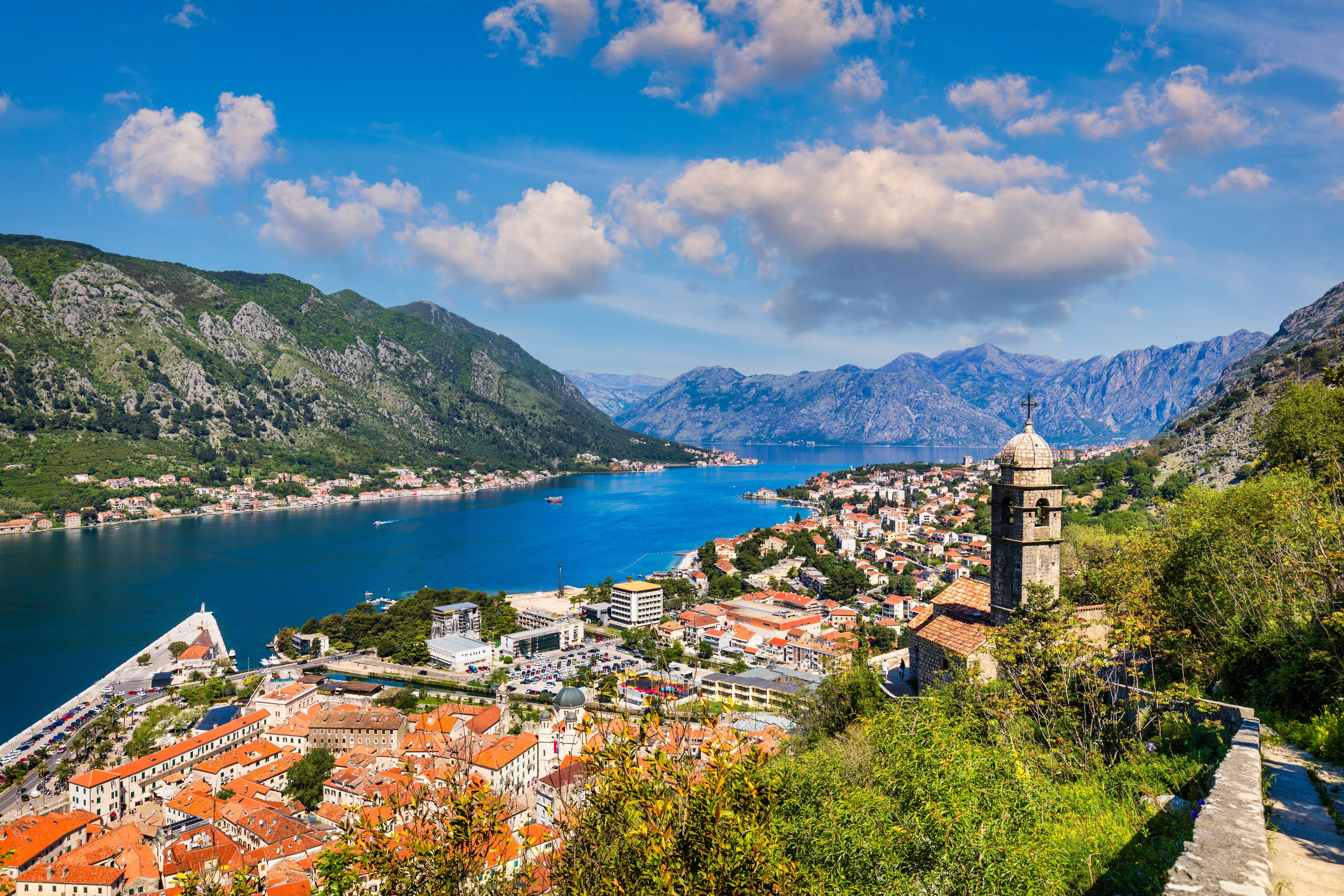
Kotor is consistently underestimated by first-timers and consistently overdelivers. It is one of the few Mediterranean ports where cruise ships dock directly beside the Old Town gates. The Bay of Kotor is one of the most dramatic natural harbors in Europe — ships sail through a narrow channel flanked by steep mountains before docking directly in front of the medieval walled city.
Unlike Dubrovnik, Kotor's Old Town is a 2-minute walk from the ship. There's no transit required. The walled city is compact, well-preserved, and far less crowded than its Croatian counterpart. The Church of Saint Tryphon, the Venetian clock tower, and the narrow alleyways are all walkable within 90 minutes.
For the more adventurous, the Ladder of Kotor — a steep hiking path with 1,350 steps to the fortress of St. John above the city — offers stunning views over the bay. It's a 45–60 minute climb each way and requires reasonable fitness.
Pro Tip: Kotor is often a shorter port call (4–6 hours). Prioritize the Old Town walk and, if time allows, a taxi to the village of Perast (15 minutes) for views of the Our Lady of the Rocks island church — one of the most photographed scenes in the Adriatic.
Valletta, Malta: History Packed into Europe's Smallest Capital
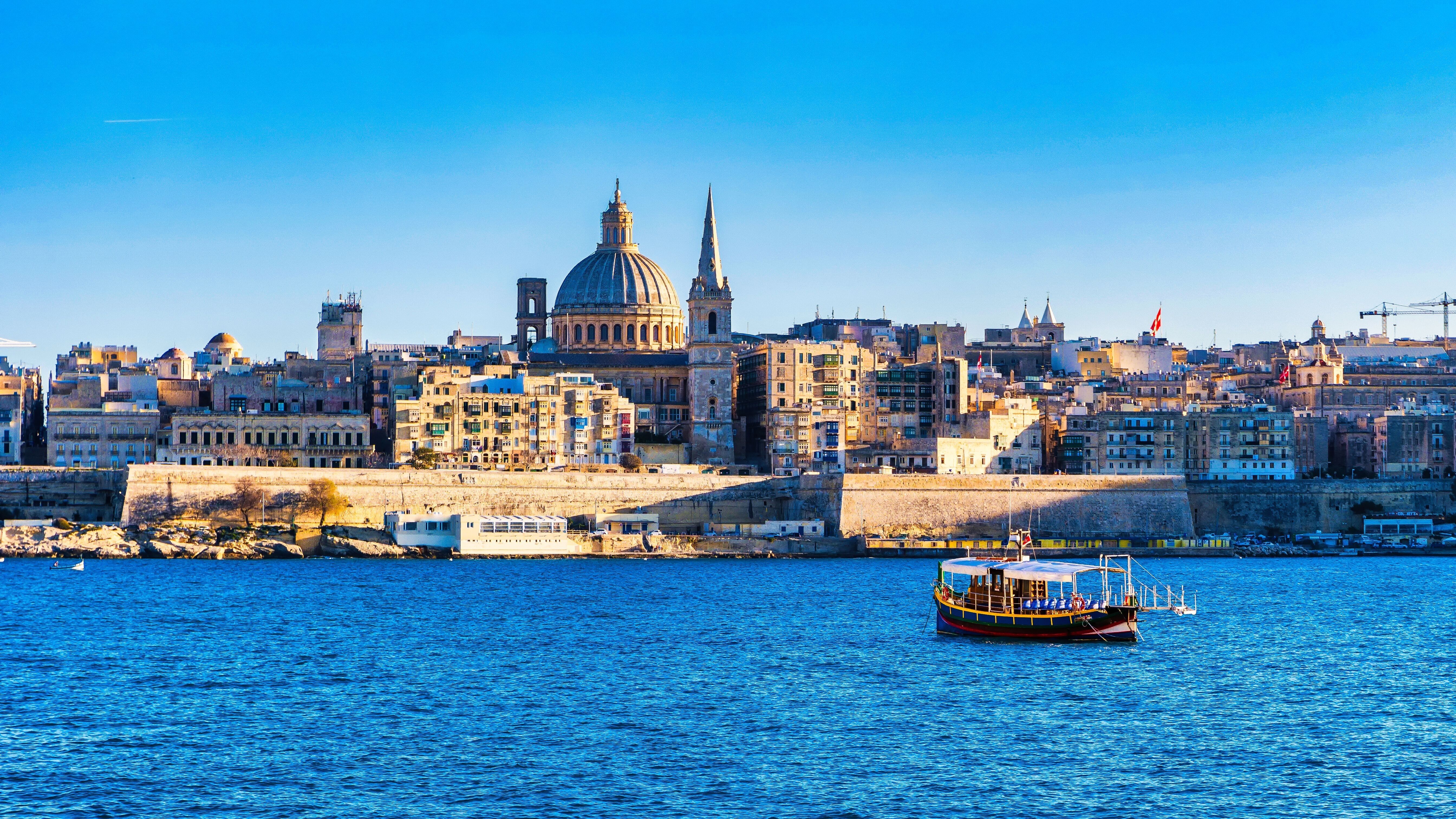
Valletta is a UNESCO World Heritage City and one of the most historically dense port calls in the entire Mediterranean. Cruise ships dock along the historic Grand Harbour at Valletta Waterfront (Pinto Wharf). The Grand Harbour is one of the deepest natural harbors in the world, and the city itself was purpose-built by the Knights of St. John in the 16th century.
Port logistics: Ships dock at the Valletta Waterfront (Pinto Wharf), directly below the city. A short walk or the Barrakka Lift (an elevator built into the fortifications) takes you up to the Upper Barrakka Gardens and into the city proper.
Key sites:
- St. John's Co-Cathedral: Houses Caravaggio's The Beheading of Saint John the Baptist — one of the most significant paintings in the world. Entry fee applies; book in advance.
- Upper Barrakka Gardens: Free, immediate, and offers the best views of the Grand Harbour and the Three Cities opposite.
- Mdina: The fortified medieval capital of Malta, 30 minutes by bus or taxi from Valletta. Worth visiting if you have a full-day port call.
Malta is an English-speaking country (a legacy of British rule), which makes it particularly accessible for first-time cruisers from the US, UK, and Australia.
Naples and the Amalfi Coast: High Reward, High Complexity
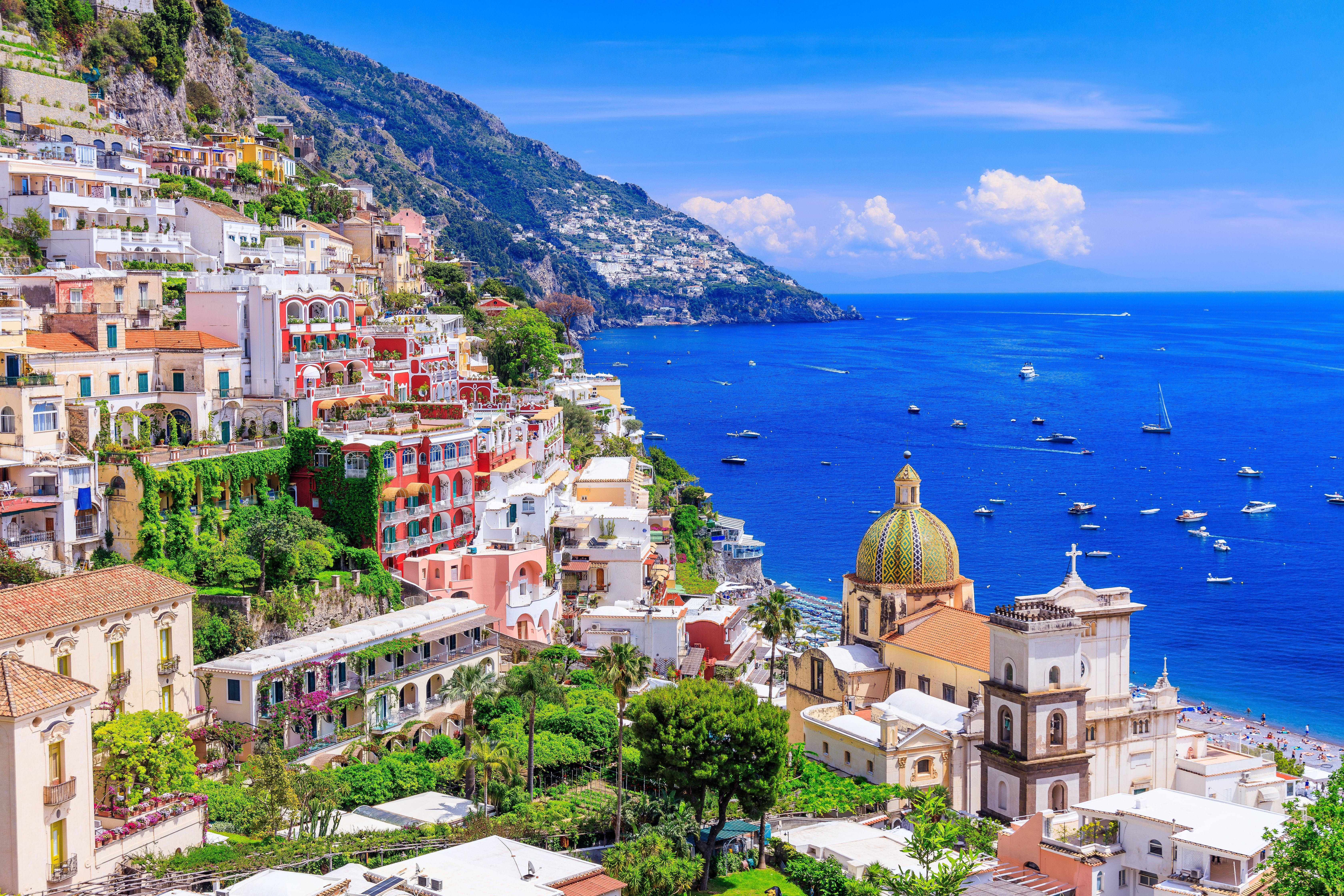
Naples is the gateway to three of Italy's most celebrated destinations: Pompeii, the Amalfi Coast, and the island of Capri. The port is located in the city center, and Naples itself is walkable — but the real draw is what's accessible within a 30–90 minute radius.
The three main excursion options from Naples:
| Destination | Distance from Port | Best Transport | Crowd Level | Time Needed |
|---|---|---|---|---|
| Pompeii | 35 km / ~45 min | Circumvesuviana train from Napoli Garibaldi station | High | 3–4 hours |
| Amalfi Coast (Positano/Amalfi) | 60–80 km / 90 min+ | Ferry or bus | Very High | 4–5 hours |
| Capri | 50 min by hydrofoil | Ferry from Molo Beverello | Very High | 4–5 hours |
The Amalfi Coast road is notoriously congested in summer, and bus journeys can stretch well beyond the estimated time. For first-timers, Pompeii via the Circumvesuviana train from Napoli Garibaldi station is the most reliable choice — the station is conveniently located beneath Naples’ main train station and trains run on a fixed schedule. The site itself is extraordinary, and you can return to the port in about 3 hours if needed.
Capri is spectacular but expensive and extremely crowded in peak season. If Capri is a priority, book a ship-organized excursion with a guaranteed return time.
Pro Tip: If Naples is a port of call rather than embarkation, skip the city center itself on a first visit. The time is better spent at Pompeii or on a coastal ferry. Naples rewards longer independent visits, not rushed port days.
How to Choose Your Mediterranean Itinerary
The single most important decision for first-timers isn't which ship to book — it's whether to sail Western or Eastern Mediterranean.
Western Mediterranean (typically Barcelona–Rome or Rome–Barcelona) suits first-timers who prioritize iconic European cities: Barcelona, Florence/Pisa, Rome, the French Riviera, and sometimes Lisbon or Málaga. Ports are generally easier to navigate and the transit infrastructure is more developed.
Eastern Mediterranean (typically Athens–Dubrovnik or Athens–Istanbul) suits first-timers drawn to ancient history, dramatic scenery, and Greek island culture. It introduces more operational complexity (tendering in Santorini, longer transit times in some ports) but delivers some of the most visually memorable experiences in cruising.
A practical itinerary comparison:
| Itinerary Type | Duration | Key Ports | Best For | Complexity |
|---|---|---|---|---|
| Western Med | 7 nights | Barcelona, Marseille, Genoa, Civitavecchia, Naples | City culture, art, food | Low–Medium |
| Eastern Med | 7 nights | Athens, Mykonos, Santorini, Kusadasi, Rhodes | History, scenery, islands | Medium–High |
| Combined Med | 10–12 nights | Mix of both regions | Comprehensive first visit | Medium |
| Adriatic Focus | 7 nights | Venice, Split, Kotor, Dubrovnik, Corfu | Medieval towns, coastline | Low–Medium |
For first-timers who feel overwhelmed by the options, the Western Mediterranean 7-night is the most forgiving choice: ports are accessible, itineraries are well-worn, and the ship infrastructure for these routes is mature across all major cruise lines.
Cruise Line Recommendations by Port Mix
Different cruise lines emphasize different port combinations. Here's how the major lines approach Mediterranean itineraries in 2026:
| Cruise Line | Ships Commonly Sailing the Mediterranean | Port Mix Strength | Best For |
|---|---|---|---|
| Royal Caribbean | Harmony of the Seas, Odyssey of the Seas, Explorer of the Seas, Brilliance of the Seas | Western & Eastern Mediterranean, coastal diversity | Families, active travelers |
| Celebrity Cruises | Celebrity Ascent, Celebrity Xcel | Greek Islands, Italy, Spain itineraries | Couples, premium experience |
| MSC Cruises | MSC Bellissima, MSC Seashore (typical Mediterranean coverage) | Strong Italian & Western Med ports | Value, European departures |
| Norwegian Cruise Line | Norwegian Getaway, Norwegian Encore | Flexible itineraries | Freestyle dining, mix of ports |
| Princess Cruises | Sky Princess, Regal Princess | Comprehensive Med, longer itineraries | Classic cruisers |
| Viking Ocean | Viking Sea, Viking Star | Smaller ports, immersive experiences | Cultural focus, adult-only |
| Costa Cruises | Costa Toscana, Costa Smeralda, Costa Fortuna, Costa Fascinosa | Western & Greek itineraries | European‑focused, cultural routes |
For first-timers prioritizing ease of experience, Celebrity Cruises and Princess Cruises consistently receive high marks for their Mediterranean port programming, shore excursion organization, and onboard destination lectures that help passengers prepare for each port.
If you're considering a luxury upgrade for your first Mediterranean sailing, the Oceania Riviera review offers a detailed look at what a premium small-ship experience delivers in terms of port access and itinerary depth.
Booking Tips for 2026 Mediterranean Cruises

Book early for peak season. Mediterranean cruises for peak summer months often sell out early, especially balcony cabins and family-friendly ships. Booking 8–12 months in advance (or even up to 12–18 months for high‑demand sailings) gives you the best selection of cabin categories — with balconies on higher decks and midship locations typically going first.
Arrive a day early at your embarkation port. Flight delays are the single most common cause of missed sailings. Building in a pre-cruise night in Barcelona, Rome, or Athens eliminates that risk and gives you time to explore your embarkation city.
Pre-book high-demand shore excursions. The Colosseum in Rome, Sagrada Família in Barcelona, St. John's Co-Cathedral in Valletta, and the Pompeii archaeological site all require advance booking. Cruise line excursions sell out early; independent tickets for major sites often need to be reserved months ahead.
Consider shoulder season for a better experience. May and September offer near-peak weather with meaningfully smaller crowds and, in many cases, lower fares. Our guide on the best time for a Mediterranean cruise covers the seasonal trade-offs in detail.
Understand your port day length before booking. Itinerary pages list scheduled arrival and departure times for each port. A 7-hour port call in Santorini (accounting for tendering) is a very different experience from a 10-hour call. Check these times carefully.
For a step-by-step walkthrough of the booking process itself, our guide on how to book a cruise covers everything from choosing a cabin category to understanding fare types.
Pro Tip: If your budget allows, upgrading from an interior cabin to a balcony is especially worthwhile on Mediterranean itineraries. Sailing into ports like Kotor, Dubrovnik, and the Santorini caldera from a private balcony is a genuinely different experience — and one of the strongest arguments for the upgrade. Read more about why booking a balcony cabin on a cruise pays off.
Key Takeaways
- Barcelona and Kotor are the most first-timer-friendly ports in the Mediterranean — both offer immediate walkability from the ship with minimal transit complexity.
- Civitavecchia (Rome) and Naples require advance planning due to transit time and site-booking requirements, but reward the effort with world-class attractions.
- Santorini is spectacular but operationally demanding — tender waits in peak season are significant, and independent navigation is harder than on other ports.
- Western Mediterranean 7-night itineraries are the most forgiving entry point for first-time Mediterranean cruisers; Eastern Med itineraries add complexity but deliver extraordinary scenery.
- Shoulder season sailings (May and September) offer the best balance of good weather, manageable crowds, and competitive pricing for 2026.
Frequently Asked Questions
Q: What are the easiest Mediterranean cruise ports for first-timers?
Barcelona, Kotor, and Valletta are consistently the easiest ports for first-time cruisers. All three allow passengers to walk directly from the ship into the historic city center without requiring taxis, buses, or tender operations. Kotor in particular is often cited as the most immediately accessible port in the Adriatic.
Q: How many ports does a typical Mediterranean cruise visit?
A 7-night Mediterranean cruise typically visits 4–6 ports, with one or two sea days. A 10- to 12-night itinerary can include 7–9 ports. Port-intensive itineraries mean less time at sea but more time ashore — most first-timers find this the preferred balance for a first Mediterranean sailing.
Q: Do I need to book shore excursions through the cruise line?
Not always. For logistically complex ports like Santorini and Civitavecchia (Rome), cruise line excursions offer the significant advantage of a guaranteed return to the ship — the ship will not wait for independent travelers who miss the departure time. For walkable ports like Barcelona, Kotor, and Valletta, independent exploration is straightforward and often more flexible. Our full guide on how to book shore excursions breaks down the trade-offs in detail.
Q: When is the best time to cruise the Mediterranean?
May, June, and September offer the best combination of warm weather, manageable crowds, and competitive pricing. July and August are peak season — temperatures are highest, ports are most crowded, and fares are at their annual peak. April and October are viable options for travelers comfortable with slightly cooler temperatures and the possibility of more variable weather.
Q: Do Mediterranean cruises require a passport?
Yes. All Mediterranean cruise itineraries that visit foreign countries — which is every standard Mediterranean itinerary — require a valid passport. Ensure your passport is valid for at least six months beyond your return date, as several countries enforce this requirement. For more on documentation requirements, see our guide on cruising without a passport.
Q: How far in advance should I book a Mediterranean cruise for 2026?
For peak-season sailings (June–August 2026), booking 12–18 months in advance is recommended to secure preferred cabin categories and itineraries. For shoulder-season sailings (May or September 2026), 6–12 months out is typically sufficient, though popular itineraries and balcony cabins can still sell out early. See our guide on the best time to book a cruise for a full breakdown of booking windows by season.
Fast Facts
- Best For: First-time international cruisers, couples, families, cultural travelers
- Recommended Itinerary Length: 7–10 nights
- Best Embarkation Ports: Barcelona (easiest), Rome/Civitavecchia (most central), Athens/Piraeus (best for Greek islands)
- Easiest Ports to Navigate: Barcelona, Kotor, Valletta, Mykonos
- Most Complex Ports: Civitavecchia (Rome), Santorini (tendering), Naples (excursion distances)
- Best Season for First-Timers: May and September
- Peak Season: July–August (highest crowds and fares)
- Top Pick for First-Timers: 7-night Western Mediterranean itinerary departing Barcelona, visiting Naples, Civitavecchia, Florence/Pisa, and the French Riviera
- Best Time to Book: 12–18 months ahead for summer 2026; 6–12 months for shoulder season
- Price Range: Fares typically start from around $800–$1,200 per person for interior cabins on 7-night sailings; balcony cabins range from approximately $1,400–$2,500+ per person depending on cruise line, ship, itinerary, and season