Alaska Cruise Packing List: What to Bring in 2026
Packing for an Alaska cruise requires a fundamentally different approach than any other cruise destination. Temperatures in Southeast Alaska typically range from 45°F to 65°F during peak season (May–September), with rain possible on any given day regardless of month. The key is a functional three-layer clothing system, waterproof footwear, and excursion-specific gear—not a suitcase full of resort wear.
Browse Alaska cruises on Cruisebound
Why Alaska Packing Is Different From Every Other Cruise
Alaska's Inside Passage and Gulf of Alaska itineraries demand gear, not fashion. A single day can move from a sunny deck departure in Juneau to a rain-soaked whale watching excursion to a cold, windy glacier viewing at Hubbard or Glacier Bay. The weather shifts faster than forecasts can track, and most excursions take place outdoors in exposed terrain—forest trails, open boats, kayaks, floatplanes, and tidal flats.
Unlike Caribbean beach cruises, Alaska packing is centered on warmth, wind, and rain protection. You’ll likely re-wear layers and focus more on practical outerwear than on outfit variety. Evening dress expectations still matter on some mainstream lines, but they vary by cruise line: Princess may hold formal nights, Holland America uses Dressy Nights, and Norwegian generally keeps things more flexible and resort casual. Check your specific sailing before packing dressier clothes.
The month you sail also significantly changes what you need:
| Month | Avg. Temp Range | Key Packing Priorities |
|---|---|---|
| May | ~42°F–57°F | Heavy mid-layer, gloves, waterproof shell |
| June | ~48°F–63°F | Bug spray, sunscreen, light layers + rain gear |
| July | ~52°F–65°F | Rain gear essential, bug spray, light fleece |
| August | ~50°F–63°F | Waterproof layers, light mid-layer |
| September | ~44°F–57°F | Insulated mid-layer, gloves, warm hat |
Pro Tip: Don't judge your packing needs by the weather at your embarkation port. Seattle or Vancouver can be warm and sunny in June while Glacier Bay is 48°F with 20 mph winds the same day.
For timing guidance, see our full breakdown of what's the best time of year for an Alaska cruise.
The Layering System Explained
Every experienced Alaska cruiser builds outfits around three functional layers. Understanding this system before you pack eliminates both overpacking and gaps in coverage.
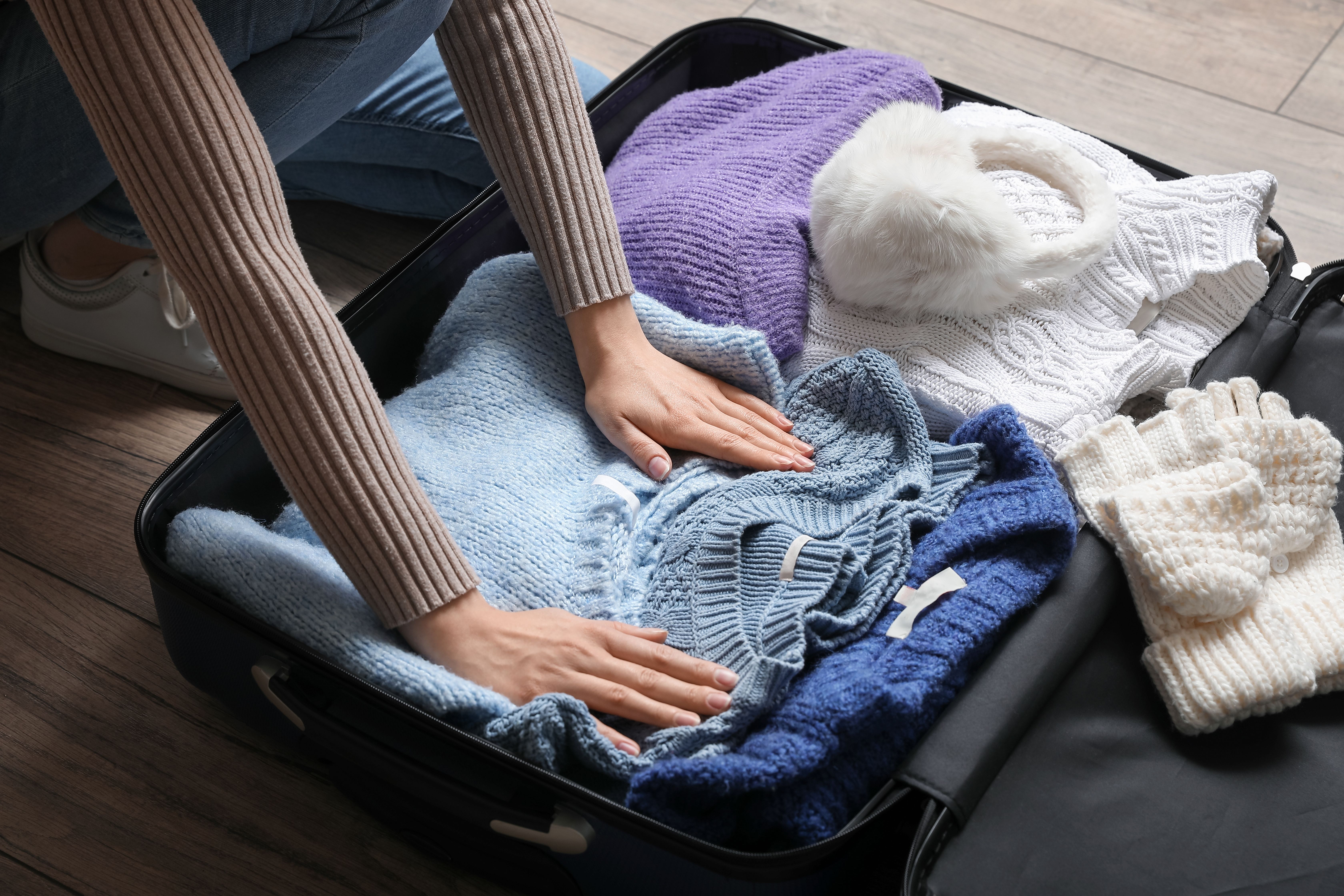
Base Layer (moisture-wicking): Merino wool or synthetic fabrics that pull sweat away from your skin. Avoid cotton—it holds moisture and chills quickly. Brands like Smartwool and Icebreaker make base layers thin enough to wear under anything.
Mid Layer (insulation): A fleece pullover or lightweight down jacket that traps body heat. This is your primary warmth layer and should be packable enough to stuff into a daypack when you warm up mid-excursion.
Outer Layer (waterproof shell): A hardshell or quality softshell rain jacket with a hood. This is the single most important item on this list. It needs to be waterproof (not just water-resistant), have sealed seams, and fit over your mid-layer. See our guide to the best rain jacket for Alaska cruises for specific recommendations.
Pro Tip: Pack two mid-layers—one fleece pullover and one lightweight packable down jacket. The fleece handles damp conditions better; the down packs smaller for day trips.
Clothing Checklist by Activity
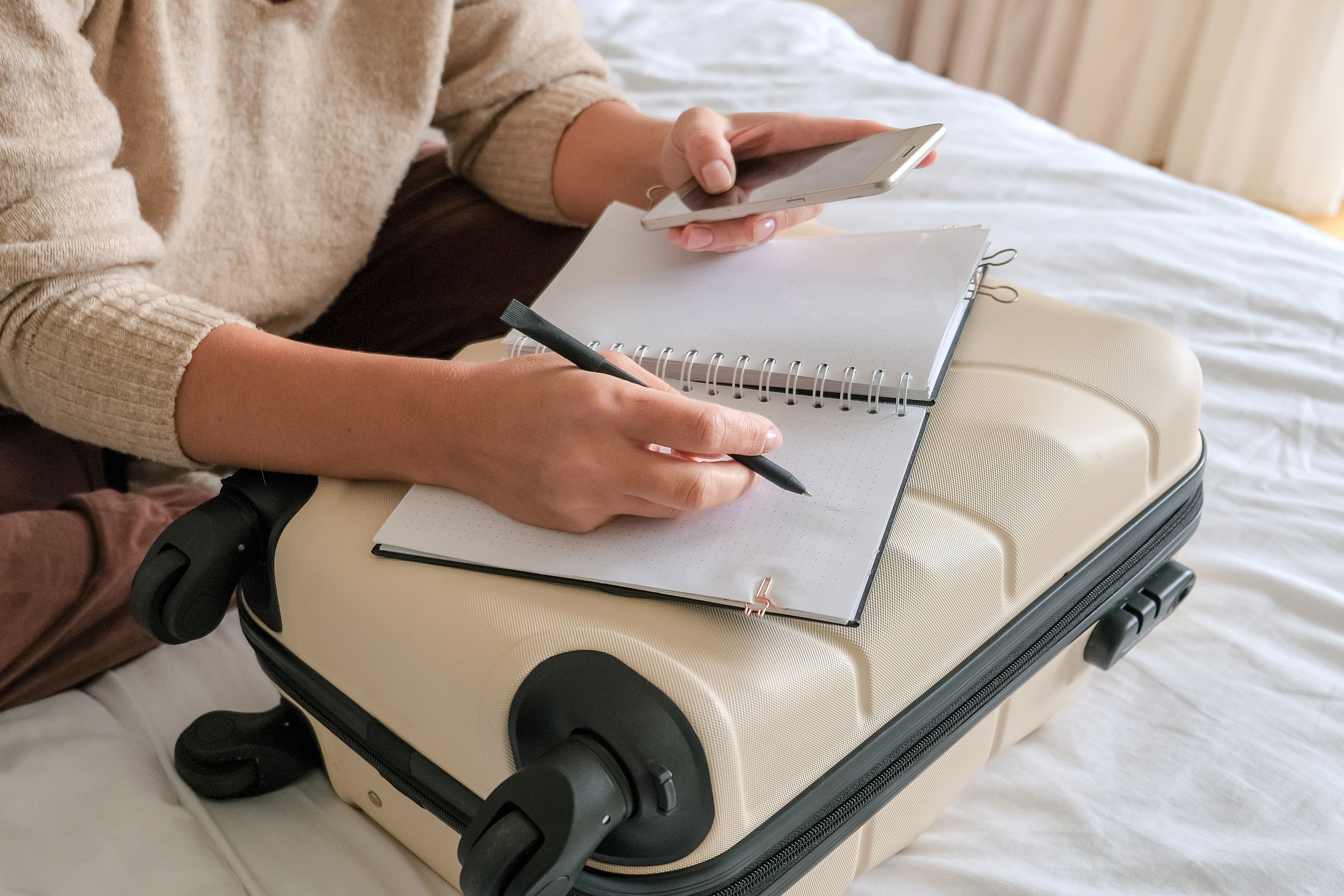
On-Ship Clothing
- 2–3 casual daytime outfits (jeans, leggings, comfortable tops)
- 1–2 semi-formal or formal outfits for dinner nights (check your cruise line's dress code)
- Swimsuit (1–2) — Alaska ships have heated pools, hot tubs, and spa facilities
- Light cardigan or wrap for air-conditioned dining rooms
- Pajamas and lounge wear
Shore Excursion Clothing
- 3–4 base layer tops (merino wool preferred)
- 2–3 pairs of hiking or outdoor pants (quick-dry, not cotton)
- 2 fleece or insulating mid-layers
- 1 waterproof hardshell rain jacket (non-negotiable)
- 1 pair waterproof rain pants (especially if booking kayaking, whale watching, or Zodiac tours)
- 4–5 pairs of moisture-wicking underwear (pack more than you think—wet days mean extra changes)
- 3–4 pairs of wool or synthetic hiking socks
- Warm hat / beanie (wool or fleece)
- Lightweight gloves (touchscreen-compatible fingertips are worth the small premium)
- Neck gaiter or buff (doubles as a hat, scarf, and face cover near glaciers)
- Sunglasses with polarized lenses (glacier glare is intense)
Pro Tip: Rain pants are easy to overlook, but they’re worth packing for whale watching, kayaking, Zodiac rides, and other wet-weather excursions. Lightweight packable options from brands like Marmot or Columbia weigh under 10 oz and can be compressed to the size of a grapefruit.
Footwear for Alaska Excursions
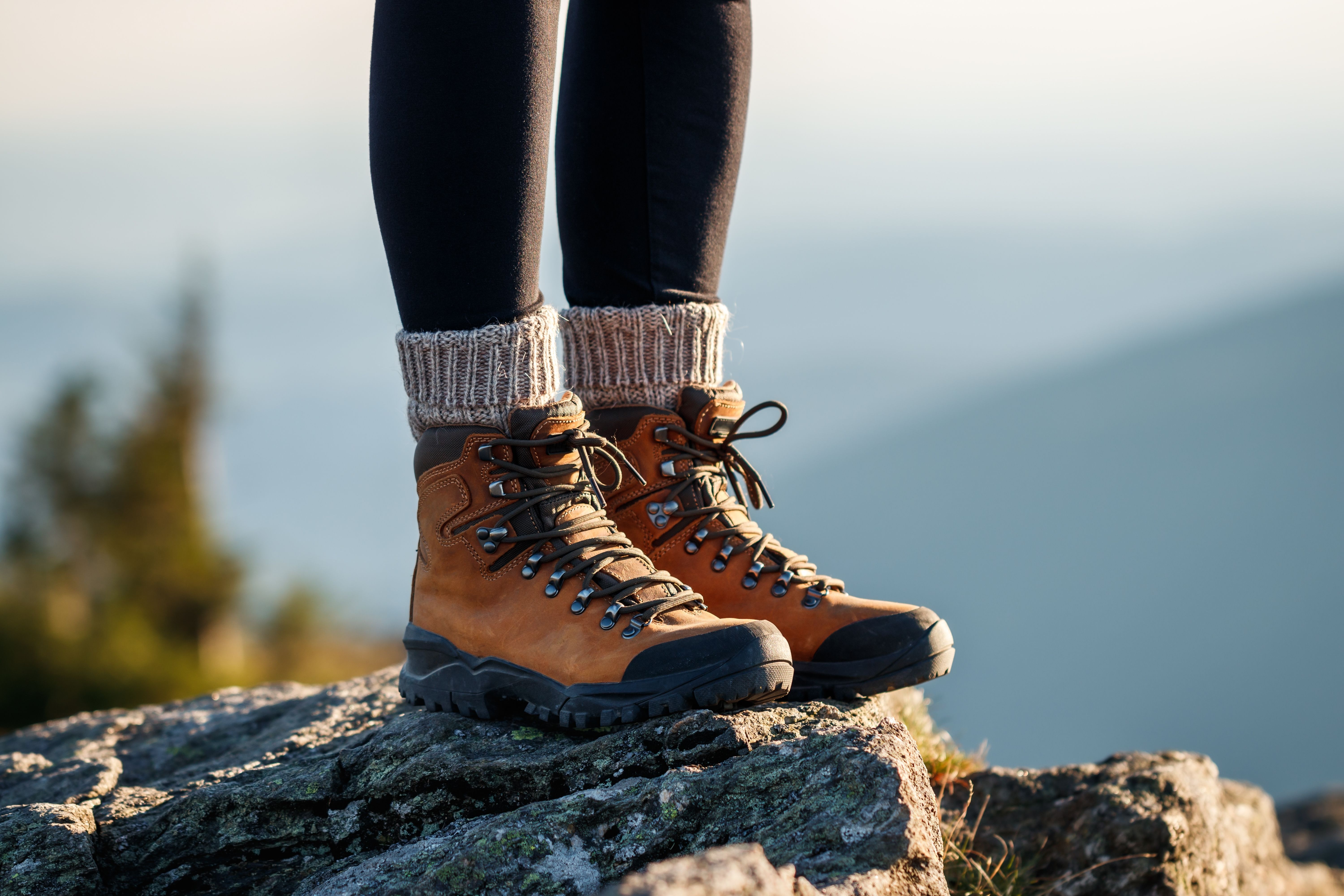
Footwear is one of the most common packing mistakes for Alaska cruises. Sneakers and fashion boots are not adequate for the terrain or the weather.
Waterproof hiking boots: Your primary footwear for shore days, offering traction on wet, uneven trails and keeping feet dry in rainy conditions. Mid-cut ankle support is ideal for uneven coastal and forest trails. Look for Gore-Tex lining or equivalent waterproof membrane. Brands like Merrell, Salomon, and Keen all have proven Alaska-capable options.
Rubber rain boots / muck boots: Useful if you're booking a flightseeing-to-beach landing, a salmon hatchery tour, or any excursion involving tidal flats. Some operators in Ketchikan and Sitka provide these, but availability isn't guaranteed.
Comfortable ship shoes: Casual sneakers or slip-ons for onboard use, dining, and port towns with paved streets.
Flip flops or sandals: For the pool deck, spa, and shower areas only.
| Footwear Type | Best For | Pack It? |
|---|---|---|
| Waterproof hiking boots | Trails, glaciers, most excursions | Always |
| Rain boots | Tidal flats, beach landings | Situational |
| Casual sneakers | Ship, paved port towns | Yes |
| Dress shoes | Formal nights | 1 pair max |
| Flip flops | Pool/spa/shower | Yes (compact) |
Pro Tip: Break in new waterproof hiking boots at least 3–4 weeks before your cruise. Blisters on day two of a 7-night sailing will sideline you from the excursions you paid most to experience.
Gear and Accessories
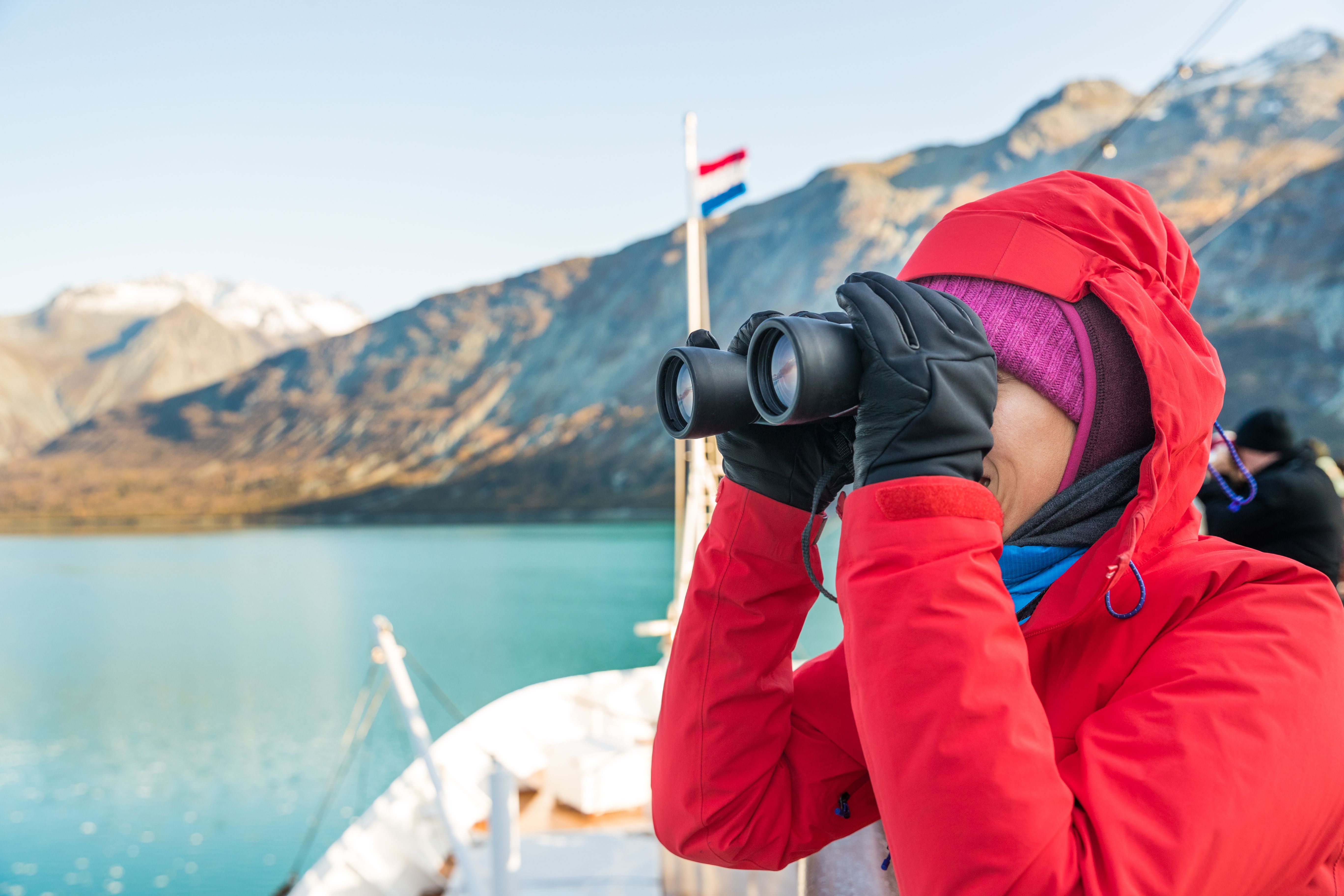
Beyond clothing, several pieces of equipment directly affect how much you enjoy Alaska's signature experiences—glacier viewing, wildlife spotting, and independent exploration.
Binoculars: Essential. Humpback whales, brown bears on shore, bald eagles in trees, and calving glaciers are all better experienced with 8x42 or 10x42 optics. Ship-provided binoculars (where available) are typically low quality. Our guide to the best binoculars for an Alaska cruise covers the specific magnification and field-of-view specs that work best for wildlife at sea.
Waterproof daypack (20–30L): Needed for every shore excursion. Look for a roll-top or zip-close design with a waterproof coating or cover.
Dry bag for electronics: A 5L or 10L dry bag protects your phone, camera, and wallet on water-based excursions.
Reusable water bottle (insulated): Keeps drinks cold or hot depending on conditions. Ship water is safe to drink; refill stations are available on most modern vessels.
Collapsible trekking poles: Optional but useful for guests booking multi-hour hikes in Juneau (Mendenhall Glacier area) or Ketchikan's Rainbird Trail. Choose ultralight, collapsible aluminum or carbon fiber versions that fit in your daypack.
Bug spray (DEET-based): Mandatory for June and July sailings. Mosquitoes and no-see-ums are aggressive in forested areas and on calm days.
High-SPF sunscreen: Glacier and water reflection creates UV exposure even on overcast days. Pack SPF 50 minimum for face and neck.
Basic first-aid kit: Include blister treatment, pain relievers, antihistamines, antacids, and any prescription medications with a doctor's note for customs if needed.
Tech and Photography Essentials
Alaska is one of the most photogenic cruise destinations in the world. The right gear makes the difference between documenting a calving glacier and watching your phone battery die at Glacier Bay.
Camera with zoom lens: A mirrorless or DSLR camera with a 100–400mm equivalent zoom range lets you capture wildlife at distance. If you're a smartphone-only shooter, a clip-on telephoto lens adapter adds meaningful reach.
Extra batteries and a charging bank: Cold temperatures drain batteries faster. Carry at least one fully charged spare battery for your camera and a 20,000mAh power bank for your phone.
Waterproof phone case or dry bag: Not optional on whale watching boats or kayaking excursions.
Memory cards: Bring more than you think you need. Glacier Bay days can generate hundreds of photos.
Laptop or tablet (optional): Useful for editing and backing up photos on a 10+ night sailing.
Pro Tip: Glacier Bay and Hubbard Glacier are part of protected park areas, so cell service is limited. Be sure to download offline maps, guides, or apps before your cruise to stay prepared on glacier-viewing excursions.
For excursion planning that affects what gear you'll need, see our guide to the best Alaska cruise excursions.
What NOT to Bring
Overpacking is a real problem on Alaska cruises, particularly in inside cabins where storage is limited. These items consistently waste space:
- Formal gowns or tuxedos (more than one): Most Alaska itineraries have one semi-formal night, not multiple black-tie events. One versatile dress or blazer is sufficient.
- Excessive casual shoes: Deck space is precious. Three pairs maximum (hiking boots, ship shoes, flip flops) covers every scenario.
- Cotton base layers: Cotton holds moisture and chills fast. Leave it home.
- Full-size toiletries: Ships provide shampoo, conditioner, and body wash. Decant what you need into 3 oz travel bottles.
- Heavy hardcover books: Download to a Kindle or tablet. Every ounce matters on floatplane excursions with strict weight limits.
- Umbrella: A hooded waterproof jacket is far more functional in Alaska's wind. Umbrellas invert constantly and are useless on open boats.
Packing Tips by Cabin Type

Your cabin type affects how much you can realistically bring and store. See our full guide on how to choose a room on a cruise ship for broader context.
Inside cabins: Storage is minimal—typically one small closet and under-bed space. Limit yourself to one checked bag and one carry-on. Use packing cubes to compress clothing and keep excursion gear separate from ship clothes.
Oceanview and balcony cabins: Slightly more floor space and often a small sofa area. You can manage two medium bags comfortably. Balcony cabins on Alaska sailings are especially valuable—you'll want quick access to your rain jacket and binoculars for wildlife spotted from your private deck.
Mini-suites and suites: Walk-in closets or significantly expanded wardrobes on ships like Norwegian Encore or Holland America Koningsdam make packing more generously feasible. Still, resist the urge to overpack—you'll spend most of your time in performance outdoor clothing anyway.
Pro Tip: Use one dedicated packing cube for "shore excursion ready" items—base layer, rain jacket, gloves, bug spray, sunscreen, and dry bag—so you can grab everything quickly on port mornings without digging through your suitcase.
Final Packing Checklist
A consolidated master list for quick reference before departure:
Clothing
- 3–4 merino wool or synthetic base layer tops
- 2–3 quick-dry outdoor pants
- 1 fleece mid-layer
- 1 lightweight packable down jacket
- 1 waterproof hardshell rain jacket (with hood)
- 1 pair waterproof rain pants
- 2–3 casual ship outfits
- 1 semi-formal outfit for dinner nights
- 1–2 swimsuits
- 4–5 pairs moisture-wicking underwear
- 3–4 pairs wool or synthetic socks
- Warm beanie/hat
- Lightweight touchscreen gloves
- Neck gaiter or buff
Footwear
- Waterproof hiking boots (broken in)
- Casual ship shoes
- Flip flops
Gear & Accessories
- Binoculars (8x42 or 10x42)
- Waterproof daypack (20–30L)
- Dry bag for electronics
- Insulated reusable water bottle
- Polarized sunglasses
- Bug spray (DEET)
- SPF 50+ sunscreen
- Basic first-aid kit
- Collapsible trekking poles (optional)
Tech
- Camera + zoom lens (or phone telephoto adapter)
- Extra camera batteries
- 20,000mAh power bank
- Waterproof phone case
- Extra memory cards
- All device chargers + adapters
Documents & Essentials
- Passport (required for most itineraries)
- Travel insurance documents
- Prescription medications + doctor's note
- Cruise booking confirmation
Key Takeaways
- The three-layer system is non-negotiable. A waterproof hardshell, insulating mid-layer, and moisture-wicking base layer form the core of every Alaska shore outfit.
- Waterproof hiking boots are your most important gear purchase. Break them in before you sail—blisters on day two are costly when excursions are involved.
- Binoculars transform the Alaska experience. Wildlife, glaciers, and coastal scenery are all significantly better with quality 8x42 or 10x42 optics.
- Leave the umbrella at home. A hooded rain jacket handles Alaska's wind-driven rain far more effectively.
- Pack for the excursions you booked, not the weather at embarkation. Conditions change dramatically between port cities and glacier zones.
Frequently Asked Questions
Q: Do I need formal clothes for an Alaska cruise?
Most Alaska itineraries include one semi-formal or "smart casual" evening, particularly on mainstream lines like Princess, Holland America, and Celebrity. One versatile outfit—a cocktail dress, or dress pants with a blazer—is sufficient for a 7-night sailing. Expedition-style lines like Lindblad or UnCruise have no formal nights at all.
Q: Is a swimsuit worth packing for an Alaska cruise?
Yes, a swimsuit is usually worth packing for an Alaska cruise. Many ships sailing Alaska have hot tubs, pools, and spa facilities, and some also have covered pool areas that are especially appealing in cool weather.
Q: Should I pack bug spray for an Alaska cruise?
Yes, particularly for June and July sailings. Mosquitoes and no-see-ums are common in forested areas around Ketchikan, Sitka, and Juneau. DEET-based repellents are most effective; pack a travel-size bottle in your daypack for every forested excursion.
Q: How many days of clothing should I pack for a 7-night Alaska cruise?
Plan for 4–5 complete shore outfits (assuming some re-wear of outer layers between days) plus 2–3 casual ship outfits and one semi-formal option. Laundry facilities are available on most ships for longer sailings, which reduces the need to pack for every single day.
Q: Do I need rain pants or just a rain jacket?
Rain pants are strongly recommended if you've booked any water-based excursions—whale watching, kayaking, or Zodiac tours—where wind and spray are factors. For primarily land-based excursions in summer months, a good rain jacket with quick-dry pants is often sufficient, though rain pants add minimal weight and pack down small.
Q: What's the most commonly forgotten item on Alaska cruises?
Rain pants and bug spray are easy to forget but essential for whale watching, kayaking, and other wet-weather excursions. Pack them before you leave home to stay dry and comfortable, and avoid paying extra in port shops.
Fast Facts
- Best For: Adventure travelers, wildlife enthusiasts, photographers, and couples seeking scenic wilderness cruising
- Price Range: Alaska cruises vary widely, with mainstream 7-night sailings starting around $800 per person and expedition or small-ship cruises running significantly higher, depending on itinerary and amenities
- Best Time to Book: 6–12 months in advance for peak July sailings; last-minute deals emerge in May and September
- Peak Season: May through September; July is the warmest and busiest month
- Top Clothing Pick: Waterproof hardshell rain jacket (the single most critical item on the list)
- Top Gear Pick: 8x42 binoculars for wildlife and glacier viewing
- Related Reading: Best Alaska cruise itinerary | Best cruise lines to Alaska