Mediterranean Cruise Ports in July: Heat, Crowds & Best Picks
July is peak season for Mediterranean cruises — ships are full, ports are busy, and many destinations regularly see temperatures above 90°F (32°C). Despite the heat and crowds, July offers long daylight hours, generally calm sailing conditions, and the peak operating season for ports, attractions, and shore excursions, making it a strong choice for travelers who plan strategically.
What to Expect on a Mediterranean Cruise in July
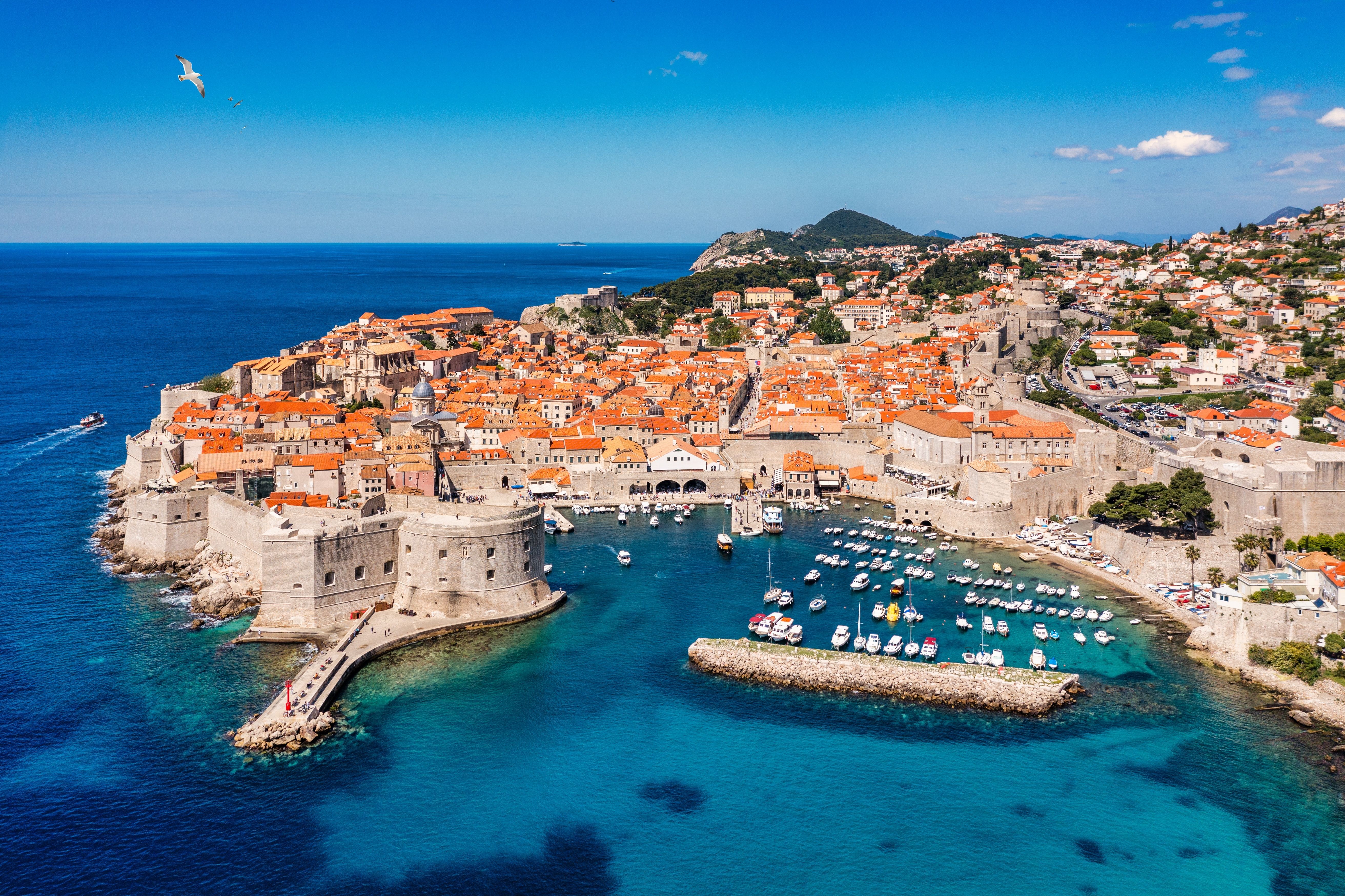
July sits squarely in the peak summer season, when European school holidays send millions of travelers into the same ports your ship will visit. Santorini, Dubrovnik, and Barcelona see some of their highest foot traffic of the year in July, and tender queues, restaurant waits, and monument lines are often at their longest.
That said, July also delivers reliably sunny weather across much of the Mediterranean, with minimal rainfall, generally calm sailing conditions, and long daylight hours. Shore excursion operators run full schedules, most major attractions operate at peak capacity, and evening port calls become especially memorable under Mediterranean sunsets that can linger well past 9 PM.
The practical trade-off: you'll pay more and share more space than in May, June, or September. July sailings often command a premium over shoulder-season departures on similar itineraries, particularly on popular routes and in higher-demand cabin categories.
Pro Tip: If your travel dates are fixed in July, prioritize itineraries that include smaller or less-publicized ports. Places like Kotor (Montenegro), Heraklion (Crete), or Valletta (Malta) offer rich history, scenic waterfronts, and a more relaxed experience than Santorini or Dubrovnik during peak season.
For a broader look at how July compares to other months, see the best time for a Mediterranean cruise: A seasonal guide.
Temperature and Heat by Region
Heat levels vary significantly across the Mediterranean in July. The eastern basin — Greece, Turkey, Cyprus — runs hotter and drier than the western ports of Spain and France.
| Region | Average July High | Humidity | Notable Risk |
|---|---|---|---|
| Greek Islands (Santorini, Mykonos) | 88–95°F (31–35°C) | Low | Intense midday sun, wind on exposed clifftops |
| Turkey (Istanbul, Kusadasi) | 86–93°F (30–34°C) | Moderate | Urban heat in Istanbul; cobblestone exertion |
| Italy (Rome/Civitavecchia, Naples) | 88–95°F (31–35°C) | Moderate | Heat radiates off stone monuments |
| Croatia (Dubrovnik, Split) | 84–91°F (29–33°C) | Low–Moderate | City walls and marble streets amplify heat |
| Spain (Barcelona, Palma) | 82–90°F (28–32°C) | Low–Moderate | Coastal breeze moderates heat |
| France (Cannes, Marseille) | 80–88°F (27–31°C) | Low | Most temperate western Mediterranean option |
Temperatures can occasionally spike above 104°F (40°C) during heat waves, which are increasingly common in southern Europe in July and August. Staying hydrated and scheduling the most physically demanding shore excursions before 10 AM is essential.
Best Western Med Ports for July

The western Mediterranean — Spain, France, and western Italy — benefits from Atlantic-influenced airflow that keeps conditions marginally cooler and more tolerable for active sightseeing.
Barcelona remains one of the most manageable July ports despite its crowds. The city's wide boulevards, shaded Eixample streets, and proximity to Barceloneta Beach give passengers multiple ways to stay comfortable. Book Sagrada Família and Park Güell timed-entry tickets well in advance, as popular dates and morning entry times can sell out quickly during July.
Palma de Mallorca is underrated in July. The old town is compact and walkable before 10 AM, and the island's beaches (Playa de Muro, Cala Mesquida) are accessible by taxi or rental car for passengers who prefer water to cobblestones. For beach options near the port, see Best Beaches In Palma De Mallorca Near The Cruise Port.
Cannes and the French Riviera offer the most temperate conditions in the western Med in July. The port is compact, the Croisette is walkable, and day trips to Monaco or Antibes are straightforward by train.
Civitavecchia (Rome) requires advance planning year-round, but July adds urgency. The Vatican Museums and Colosseum both use timed-entry ticketing, and popular July dates and morning entry times can fill quickly. Book official tickets as early as possible to secure your preferred entry time. The roughly 90-minute transfer each way also means additional heat exposure during the busiest part of the day. If you're arriving a day early, Best Place To Stay In Rome Before Cruise covers the best pre-cruise hotel options.
Pro Tip: Sunset views can be spectacular when departing Barcelona, with the city's skyline and Montjuïc often visible as the ship leaves port. However, the best side of the ship for views varies by itinerary and sailing direction, so check your specific route if scenery is a priority.
Best Greek Island Ports for July
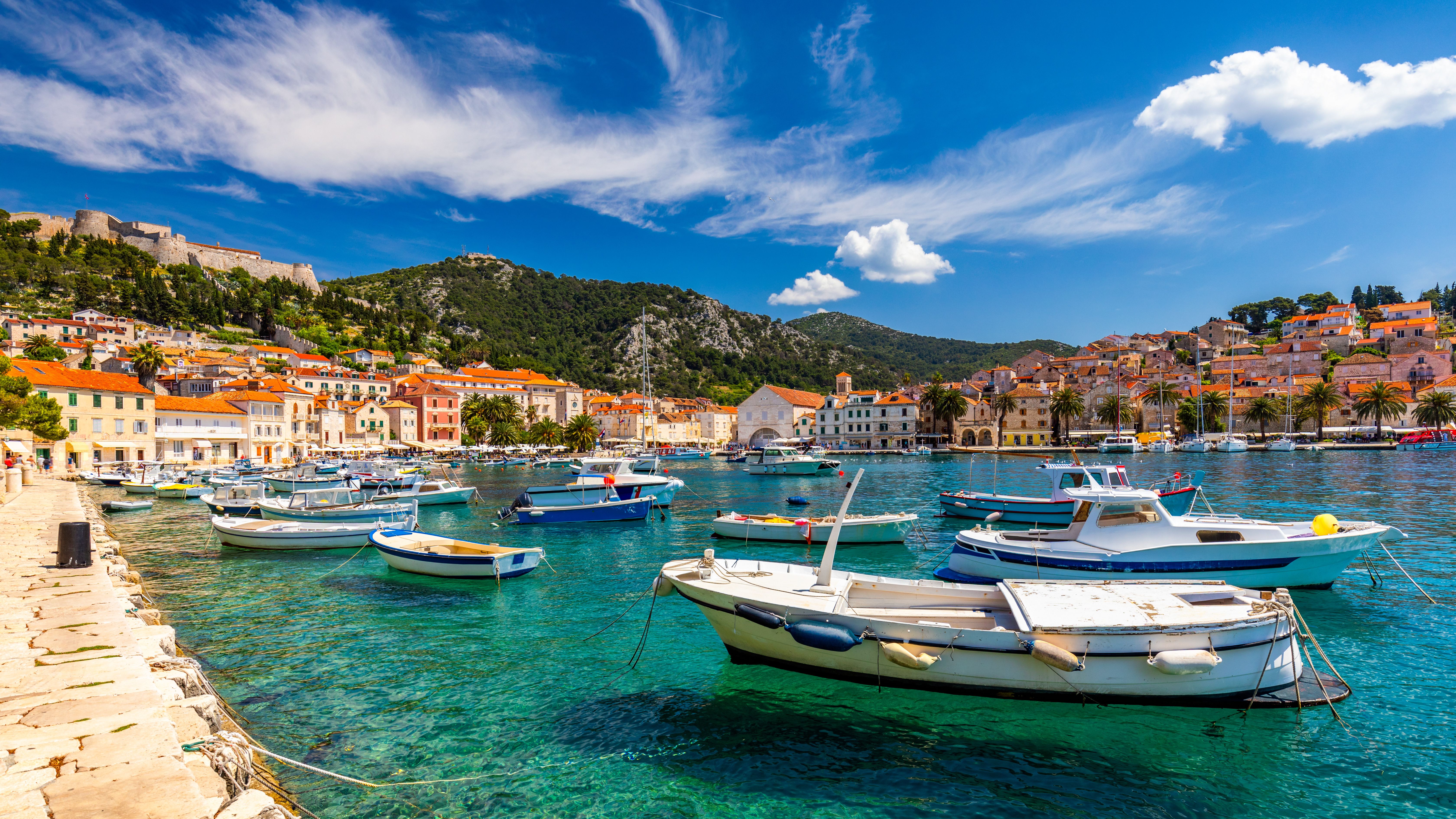
Greece is the most popular July Mediterranean destination — and the most operationally demanding. For a comprehensive overview of Greek cruise options, What are the best Greek cruises for 2025? covers itinerary structures in detail.
Heraklion (Crete) is the standout underrated pick. As Greece's largest island, it absorbs cruise passengers without feeling overwhelmed. The Palace of Knossos is a world-class site, the city's Venetian harbor is beautiful at any hour, and beach options within 30 minutes are plentiful.
Rhodes offers a UNESCO-listed medieval old town that rivals Dubrovnik in beauty but sees far fewer cruise ships simultaneously. Parts of the old town offer welcome shade, and the Street of the Knights is genuinely spectacular in the morning light.
Santorini is spectacular but operationally challenging in July. Cruise passengers generally tender ashore, and the cable car from the old port to Fira can become a major bottleneck on busy multi-ship days. When several large ships are in port simultaneously, tender waits can be lengthy, and cable car queues may add further delays. Oia village is genuinely breathtaking, but it’s wise to allow several extra hours for transportation and queues in addition to your sightseeing time. For shore excursion planning, Best Cruise Shore Excursions in Santorini: What's Worth It breaks down which options justify the effort.
Mykonos is best for passengers who want beach clubs and nightlife over cultural sightseeing — it's designed for exactly the July tourist, which makes it both crowded and well-equipped.
Kotor (Montenegro) isn't technically Greek, but frequently appears on Eastern Mediterranean itineraries. The fjord-like sail-in through the Bay of Kotor is one of the Adriatic's most memorable approaches, and the walled Old Town is compact, walkable, and often feels less crowded than many of the region's best-known summer destinations.
Pro Tip: On Santorini, book ship-sponsored excursions that include tender priority boarding. Independent travelers may face lengthy waits for tenders and transportation on busy multi-ship days, which can significantly reduce the amount of time available for sightseeing ashore.
Ports to Approach Carefully in July
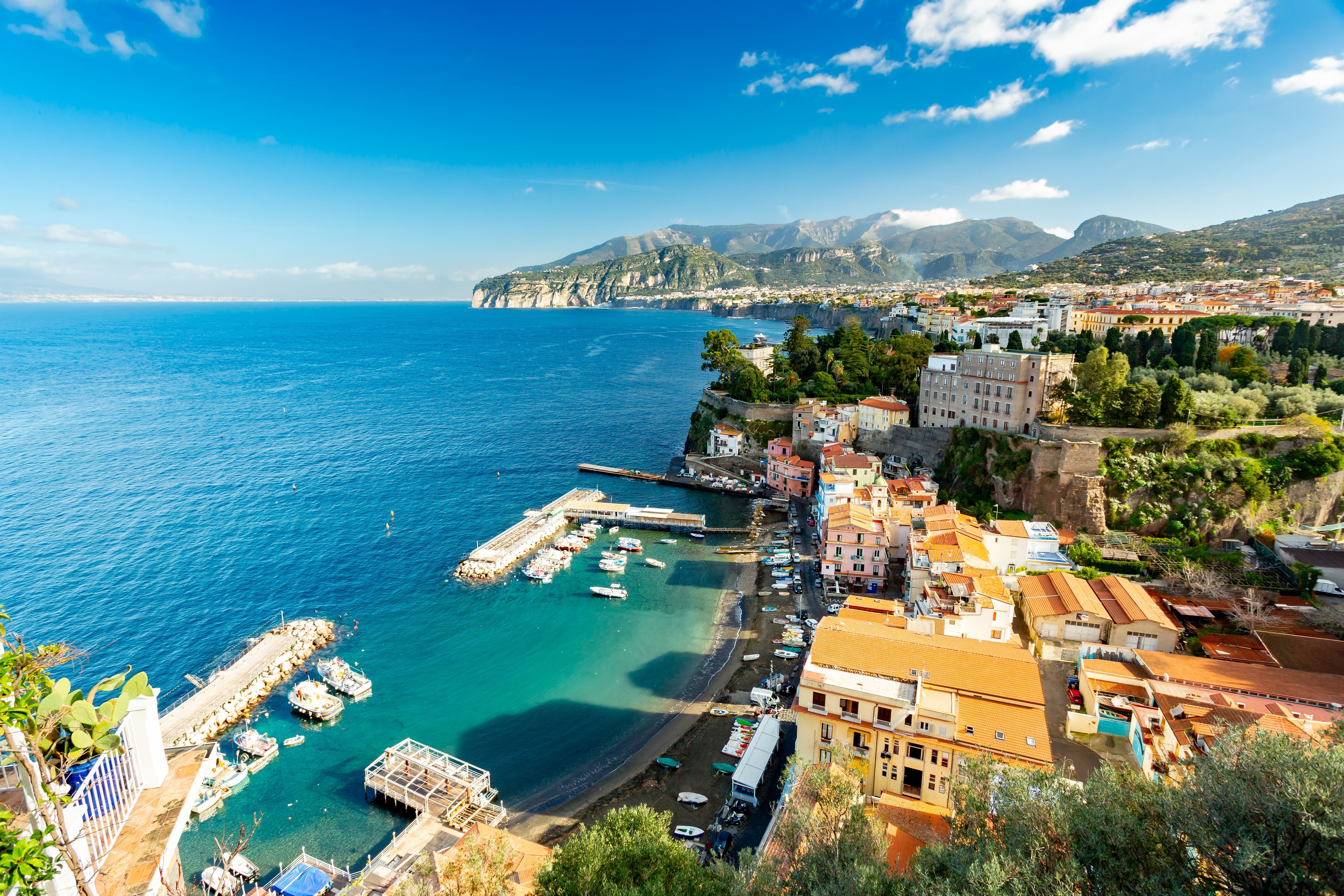
Some ports become significantly busier in July and require careful planning rather than outright avoidance.
Dubrovnik is one of the Mediterranean's most crowd-sensitive cruise ports in summer. The city limits the number of ships allowed simultaneously, but July still brings heavy visitor volumes into its compact, walled Old Town. The city walls walk is best done at 7:30–8:00 AM before the heat and crowds peak. For excursion planning, Best Shore Excursions in Dubrovnik for Cruise Passengers covers the most efficient options.
Naples in July combines intense heat, complex logistics, and heavy visitor traffic at Pompeii and Capri. Traffic along the Amalfi Coast can become heavily congested from late morning through the afternoon. If your itinerary includes Naples, consider a private transfer or small-group excursion, as trains, ferries, and local transport networks are often especially busy during peak season.
Venice is increasingly restrictive for cruise ships, with large vessels prohibited from using the historic center's cruise terminals. Many itineraries now use Marghera or other mainland-area terminals instead, requiring additional transfers to reach Venice's main attractions. July adds heavy day-tripper crowds to the already complex transportation network, so passengers should confirm their arrival terminal in advance and budget extra time for water taxis, public transportation, or other connections.
| Port | July Crowd Level | Best Strategy | Avoid |
|---|---|---|---|
| Dubrovnik | Very High | Arrive at city walls by 7:30 AM | Midday Stradun walk |
| Santorini | High | Tender priority; book early excursion | Afternoon Oia arrival |
| Naples | High | Private transfer to Pompeii/Amalfi | Public ferry to Capri at 10 AM |
| Venice | High | Water taxi direct to San Marco | Vaporetto Line 1 in peak hours |
| Barcelona | Moderate–High | Pre-book Sagrada Família tickets as early as possible | Las Ramblas midday |
Shore Excursion Timing Tips for July
The single most effective strategy for July Mediterranean ports is timing. Most shore excursion operators open sites at 8–9 AM, but cruise passengers typically disembark in waves starting at 8 AM — meaning early risers gain a decisive advantage.
General rules for July shore excursions:
- Archaeological sites (Pompeii, Knossos, Ephesus): Arrive at opening time. By 10 AM, heat and crowds make these sites genuinely uncomfortable.
- Coastal towns and cliff walks (Cinque Terre, Oia): Morning-only. Afternoon heat on exposed paths is serious.
- City centers (Rome, Athens): Start no later than 8 AM for monuments; return to ship or find air-conditioned restaurants by 1–3 PM.
- Beach days: Midday is fine — this is what the water is for. Book a beach club with umbrella service rather than exposed public beach.
Pro Tip: Many cruise lines offer "early riser" excursions that depart at 7:30–8:00 AM specifically for July and August sailings. These are worth the slight premium — you'll see Pompeii before the temperature hits 95°F and before the tour groups arrive.
For general guidance on booking excursions independently vs. through the ship, How to book shore excursions: Cruise line vs. Shore Excursions Group vs. DIY covers the trade-offs clearly.
Best Cruise Lines for Summer Mediterranean Sailings
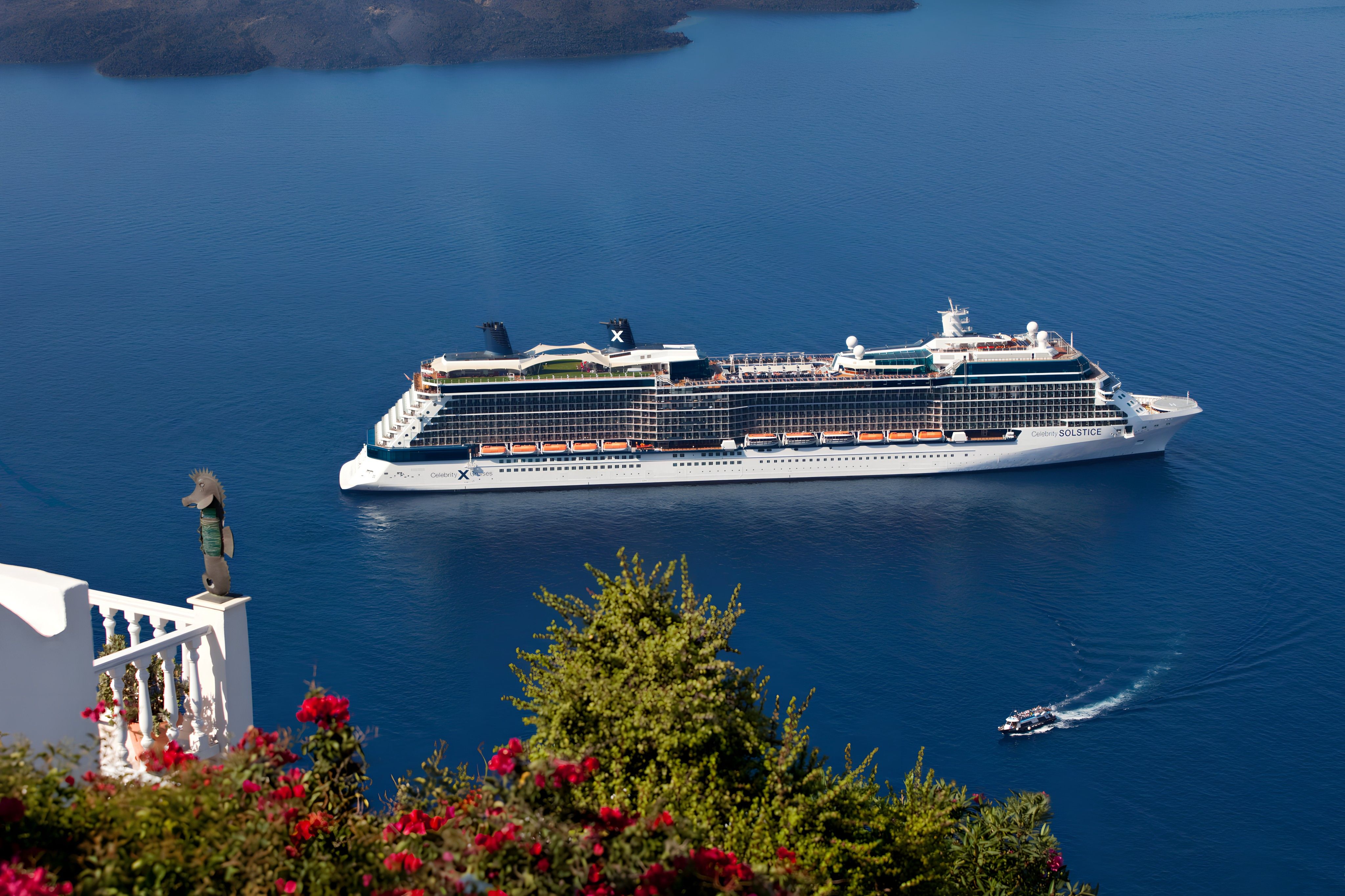
Not all cruise lines handle July Mediterranean conditions equally. Ship size, itinerary structure, and onboard amenities all affect the July experience.
Celebrity Cruises' Edge-class ships — including Celebrity Edge, Celebrity Apex, and Celebrity Beyond — are regular fixtures in the Mediterranean during the summer season. The line offers a mix of Western and Eastern Mediterranean itineraries, with select sailings featuring late departures or overnight port calls that provide additional time ashore. Onboard, venues such as the Magic Carpet and Rooftop Garden offer inviting outdoor spaces for enjoying Mediterranean views and warm-weather sailing.
MSC Cruises operates one of the Mediterranean's most extensive cruise programs, with embarkation options that often include Genoa, Civitavecchia, and Marseille. Thanks to its strong European presence, many sailings attract a mix of European and international travelers and follow well-established Mediterranean itineraries.
Virgin Voyages offers adults-only Mediterranean sailings from ports such as Barcelona, Athens, and Rome. Many itineraries feature late departures or extended time in port, giving travelers more flexibility to enjoy both daytime sightseeing and evening experiences ashore without feeling rushed. Because port schedules vary by sailing, it's worth reviewing the itinerary carefully when comparing options.
Windstar Cruises operates yacht-style ships carrying roughly 148–342 guests, while Azamara's ships are larger but still far smaller than today's mega-ships. Both lines focus on destination-rich itineraries and smaller-scale cruising experiences. In July, this can be a meaningful advantage, particularly on itineraries that include ports such as Kotor and smaller Greek islands, where a smaller ship can offer a more relaxed port-day experience and greater flexibility in port operations.
Pro Tip: If July is your only option and crowds are a concern, consider a small-ship line like Windstar or Azamara. Their ships access ports like Monemvasia (Greece) and Hvar (Croatia) that receive far fewer passengers and retain an authentic character even in peak season.
Cabin Tips for Hot-Weather Mediterranean Sailing
Cabin selection matters more in July than any other Mediterranean month. Ships in the Mediterranean sail in direct sun for hours at a time, and cabin temperatures can vary significantly based on location and orientation.
Key cabin considerations for July:
- Higher decks run hotter: Upper-deck cabins with metal balcony railings absorb and retain heat. Mid-ship cabins on decks 6–9 tend to stay cooler.
- Starboard vs. port: Sun exposure varies by itinerary and sailing direction, so there is no universally “cooler” side of the ship. On some Mediterranean routes, one side may receive more afternoon sun than the other, so check your specific itinerary before choosing a cabin.
- Balcony vs. interior: A balcony provides private outdoor space and fresh air, but direct sunlight can make it less comfortable during the hottest parts of the day. Interior cabins are often cooler and darker, which can be appealing during July heat, but they offer no private outdoor space.
- Avoid cabins directly above or below pool decks: Noise from deck chairs and music runs until 11 PM or later in July, and heat from deck surfaces transfers downward.
For a deeper guide to cabin selection logic, How To Choose a Room on a Cruise Ship covers positioning, noise, and motion trade-offs in detail.
Pro Tip: Request a cabin with a blackout curtain option if available — July Mediterranean sunrise is around 6:15 AM, and east-facing cabins will be fully lit (and warm) well before most passengers want to wake up.
Last-Minute July Booking Deals

July Mediterranean cruises rarely see the deep discounts common in shoulder season, but last-minute deals do exist — particularly for inside and oceanview cabins on sailings departing within 30–45 days.
Where to find late July deals:
- Guarantee cabin bookings: Choosing a cabin category rather than a specific room often yields 15–25% savings in peak season. The cruise line assigns your cabin, sometimes upgrading you.
- Repositioning and non-standard itineraries: Cruises that start or end in less-popular homeports (Genoa, Marseille, Trieste) tend to price lower than Barcelona or Rome departures.
- 7-night vs. 10–14-night sailings: Longer itineraries often have more unsold inventory in the weeks before departure, creating better last-minute pricing.
Our platform data consistently shows that July Mediterranean balcony fares are often significantly higher than comparable June departures—frequently by 30–40%, depending on the itinerary, cruise line, and booking window. However, inside-cabin deals can still appear within 3–4 weeks of departure, particularly on older ships or less-publicized itineraries.
For broader booking timing strategy, Best Time To Book A Cruise covers the full booking window analysis.
Packing Tips for a Summer Mediterranean Cruise
Packing for a July Mediterranean cruise requires balancing heat management with dress codes at historic sites and onboard dining.
Essential July Mediterranean packing list:
- Sun protection: SPF 50+ reef-safe sunscreen, UPF-rated sun shirt, wide-brim hat, UV-blocking sunglasses. Reapply every 90 minutes on exposed excursions.
- Lightweight clothing: Linen, bamboo, or moisture-wicking fabrics. Pack more than you think — humidity and activity mean multiple outfit changes per day.
- Comfortable walking shoes: Cobblestones are everywhere. Sandals are fine for beach days; closed-toe shoes with arch support are essential for Pompeii, Athens, and Rome.
- Cover-ups for religious sites: Shoulders and knees must be covered at the Vatican, Greek Orthodox churches, and Turkish mosques. A lightweight scarf doubles as sun protection.
- Portable battery fan: Compact USB fans are genuinely useful in tender queues and monument lines.
- Reusable water bottle: Hydration is non-negotiable. Most ports have public fountains (especially in Rome and Barcelona) with potable water.
- Evening layers: Onboard air conditioning is aggressive — dining rooms and theaters run cold. A light cardigan or linen blazer is essential.
Key Takeaways
- July is peak season: Expect the highest fares, fullest ships, and busiest ports — but also long daylight hours, generally favorable weather, and the widest availability of ports, attractions, and shore excursions.
- Timing is your primary tool: Getting to monuments and archaeological sites at opening time (8–9 AM) dramatically improves both the experience and the heat management.
- Eastern Med runs hotter: Greek islands and Turkey consistently exceed 90°F; the French Riviera and eastern Spain are the most temperate western options.
- Small ships unlock better ports: Lines like Windstar, Azamara, and Seabourn access smaller, less-crowded ports that mega-ships cannot reach — a meaningful July advantage.
- Book shore excursions early: Popular July dates and morning entry times for attractions such as the Vatican Museums, Sagrada Família, and the Acropolis can sell out well in advance.
Frequently Asked Questions
Q: Is July a good time for a Mediterranean cruise?
July is a perfectly viable time for a Mediterranean cruise if you plan carefully. The weather is generally sunny, sailing conditions are often favorable, and most attractions and shore excursions operate at full seasonal capacity. The trade-offs are higher fares, larger crowds at iconic sites, and intense midday heat — all of which are manageable with early excursion timing and strategic port selection.
Q: Which Mediterranean ports are least crowded in July?
Heraklion (Crete), Valletta (Malta), Kotor (Montenegro), and Rhodes consistently see fewer simultaneous cruise ships than Santorini, Dubrovnik, or Barcelona. Smaller ports on eastern Mediterranean itineraries — Monemvasia, Nafplio, Hvar — are even quieter and are typically accessible only on small-ship lines.
Q: How hot does it get on a Mediterranean cruise in July?
Average highs range from 82°F (28°C) on the French Riviera to 95°F (35°C) in the eastern Greek islands and southern Italy. Heat waves can push temperatures above 104°F (40°C) for short periods. Humidity is generally low in the eastern Mediterranean, making the heat more bearable than equivalent temperatures in humid climates.
Q: Should I book a Mediterranean cruise in July or wait for September?
September offers meaningfully cooler temperatures, lower fares, and reduced crowds while retaining excellent weather and full port access. If your travel dates are flexible, late September is the stronger value proposition. July makes sense for families constrained by school calendars, or travelers who prioritize guaranteed sunshine and the full energy of peak season.
Q: What cruise lines are best for Mediterranean sailings in July 2026?
Celebrity Cruises, MSC Cruises, and Virgin Voyages all offer strong July Mediterranean programs with purpose-built itineraries and ships well-suited to the heat. For passengers prioritizing crowd avoidance, Azamara and Windstar Cruises offer small-ship itineraries that access less-visited ports throughout the summer season.
Q: How far in advance should I book a July Mediterranean cruise?
For July 2026 sailings, the best cabin selection and lowest fares are typically available 9–12 months in advance. Balcony and suite categories on popular itineraries (7-night Greek islands, Western Med round-trips from Barcelona) often sell out or reach peak pricing by January–February of the sailing year.
Fast Facts
- Best For: Families with school-age children, sun-seekers, first-time Mediterranean cruisers willing to plan ahead
- Price Range: Fares typically start higher than shoulder months — inside cabins from the mid-hundreds per person, balconies from the high hundreds to well over $1,000 per person depending on line and itinerary length
- Best Time to Book: 9–12 months in advance for best cabin selection; last-minute inside cabin deals possible within 30–45 days of departure
- Most Temperate Region: French Riviera (Cannes, Nice) and eastern Spain (Barcelona, Palma)
- Hottest Region: Eastern Greek Islands (Santorini, Mykonos) and southern Turkey (Kusadasi, Bodrum)
- Top Port Pick: Heraklion, Crete — world-class history, manageable crowds, beach access, and cooler breezes than Santorini
- Best for Avoiding Crowds: Small-ship lines (Azamara, Windstar) on eastern Mediterranean itineraries featuring lesser-known ports