Panama Canal Cruise Guide: Best Ships & Itineraries 2026
Panama Canal cruises rank among cruising’s most historically significant and visually dramatic voyages, offering a close-up view of the locks and waterways that opened in 1914 after a decade of U.S.-led construction, following an earlier French effort. More than 75,000 people worked on the project across its construction eras, while the original locks themselves took about four years to build. Most mainstream itineraries last 10 to 21 nights and fall into three categories: full ocean-to-ocean transits, partial transits that enter Gatun Lake before returning to the Atlantic, and Colón port calls that offer canal excursions without taking the cruise ship through the locks. Fares vary substantially by ship, sailing date and cabin category. Compare the total price—including taxes and fees—rather than assuming that a partial transit will always cost less than a full transit.
Why Cruise the Panama Canal?
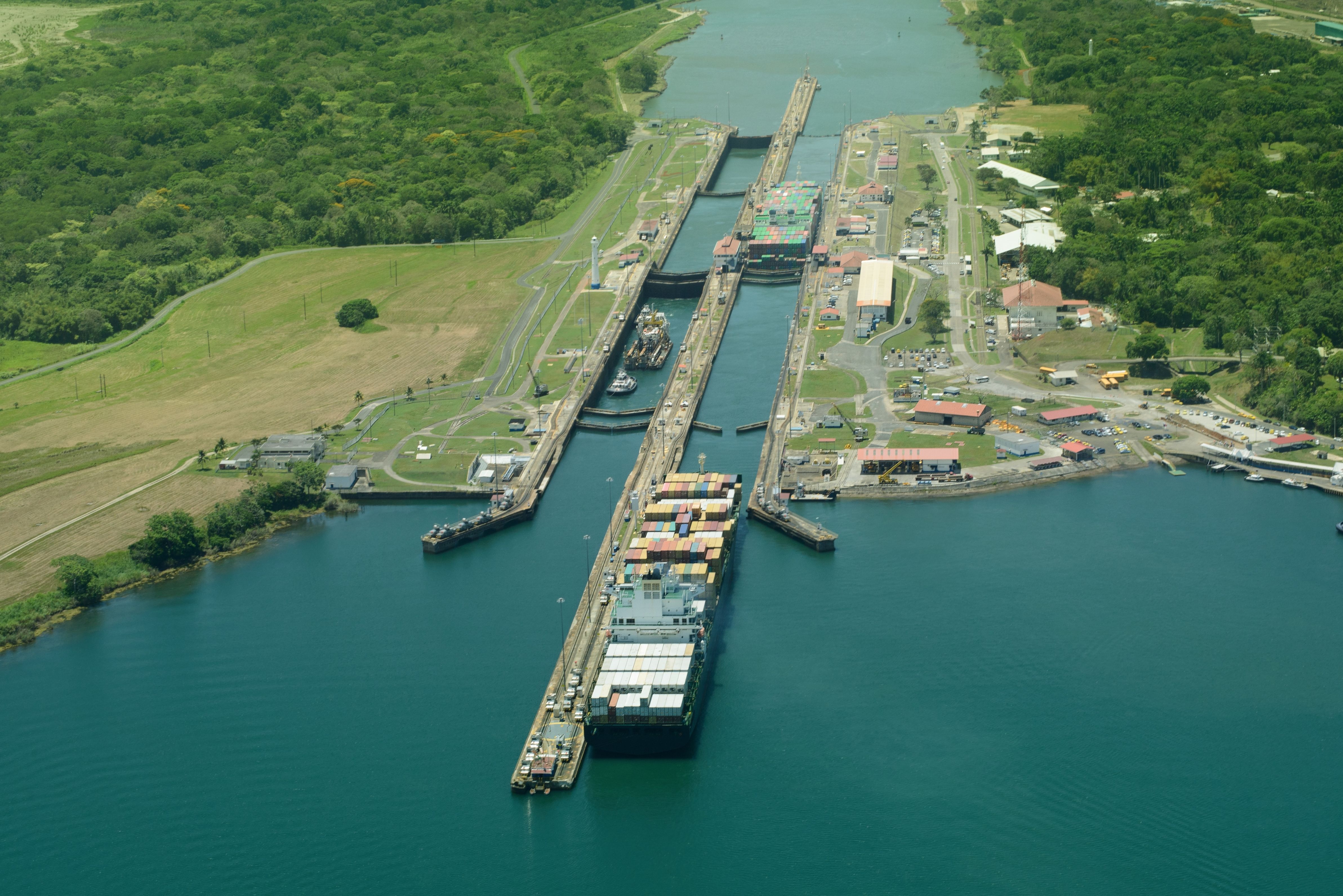
The Panama Canal connects the Atlantic and Pacific oceans across approximately 50 miles (80 km) of Panamanian terrain. By providing a shortcut through the isthmus, it can save ships thousands of miles compared with longer routes around South America, although the exact distance depends on the voyage. For cruise passengers, the appeal extends beyond the engineering spectacle: a single full-transit itinerary may combine Caribbean destinations such as Cartagena and Aruba with Pacific-side ports in Costa Rica and Mexico, offering contrasting landscapes and cultures in one journey.
The canal itself takes 8 to 10 hours to transit in full, and cruise lines typically schedule the passage as a dedicated sea day so passengers can watch the lock operations from the decks. Expert narration, usually provided over the ship’s PA system, walks guests through the canal’s history and mechanics as the vessel passes through either the historic Panamax locks or the expanded Neopanamax locks.
For seniors planning this trip, our Best Panama Canal Cruise for Seniors guide covers the accessibility and pacing considerations unique to this itinerary type.
Full Transit vs. Partial Transit: Which Should You Choose?
The biggest decision when planning a Panama Canal cruise is whether to book a full or partial transit. Both take the ship through canal locks, but the route, duration and travel logistics differ substantially.
Full Transit (Ocean to Ocean)
The ship travels the full length of the canal from the Pacific to the Atlantic, or vice versa. These sailings are often one-way repositioning voyages, meaning passengers embark and disembark in different cities. Common routes connect the U.S. Pacific Coast with Florida, although departure ports vary by cruise line and season. Depending on the ship’s size, the voyage passes through either the historic Panamax locks or the expanded Neopanamax locks. Every full transit also crosses Gatun Lake, the vast man-made reservoir at the heart of the canal.
Partial Transit
The ship enters the canal from the Atlantic side, passes through either the historic Gatun Locks or the expanded Agua Clara Locks, and reaches Gatun Lake before returning to the Atlantic. Partial transits are typically included in round-trip itineraries from Florida, particularly Fort Lauderdale. They provide close-up views of the locks and Gatun Lake but do not continue to the Pacific side. These voyages often last about 10–12 nights and generally involve simpler travel logistics than one-way full transits, although fares vary by ship, sailing date and cabin category.
| Feature | Full Transit | Partial Transit |
|---|---|---|
| Typical duration | About 14–21 nights | About 10–12 nights |
| Route type | Usually one-way | Usually round-trip |
| Canal experience | Complete Atlantic-to-Pacific crossing, or reverse | Atlantic-side locks and Gatun Lake |
| Locks used | Historic or expanded locks | Gatun or Agua Clara Locks |
| Pacific side | Included | No |
| Travel logistics | More complex; different embarkation and disembarkation ports are common | Simpler; usually returns to the original departure port |
| Best for | Travelers seeking the complete canal crossing | Travelers wanting a shorter itinerary and easier logistics |
Pro Tip: Read the itinerary carefully before booking. A cruise that calls at Colón does not necessarily take the ship through the locks; some sailings offer canal access only through shore excursions.
Best Panama Canal Itineraries and Routes for 2026
Los Angeles to Fort Lauderdale (Full Transit)
A common full-transit route runs eastbound from Los Angeles (San Pedro) to Fort Lauderdale. Depending on the sailing, stops may include Puerto Vallarta or Cabo San Lucas in Mexico, Puerto Quetzal in Guatemala, Puntarenas or Puerto Caldera in Costa Rica, and Cartagena in Colombia. Princess Cruises and Celebrity Cruises offer variations of this route, although ships, ports and voyage lengths vary by departure date.
Fort Lauderdale Round-Trip (Partial Transit)
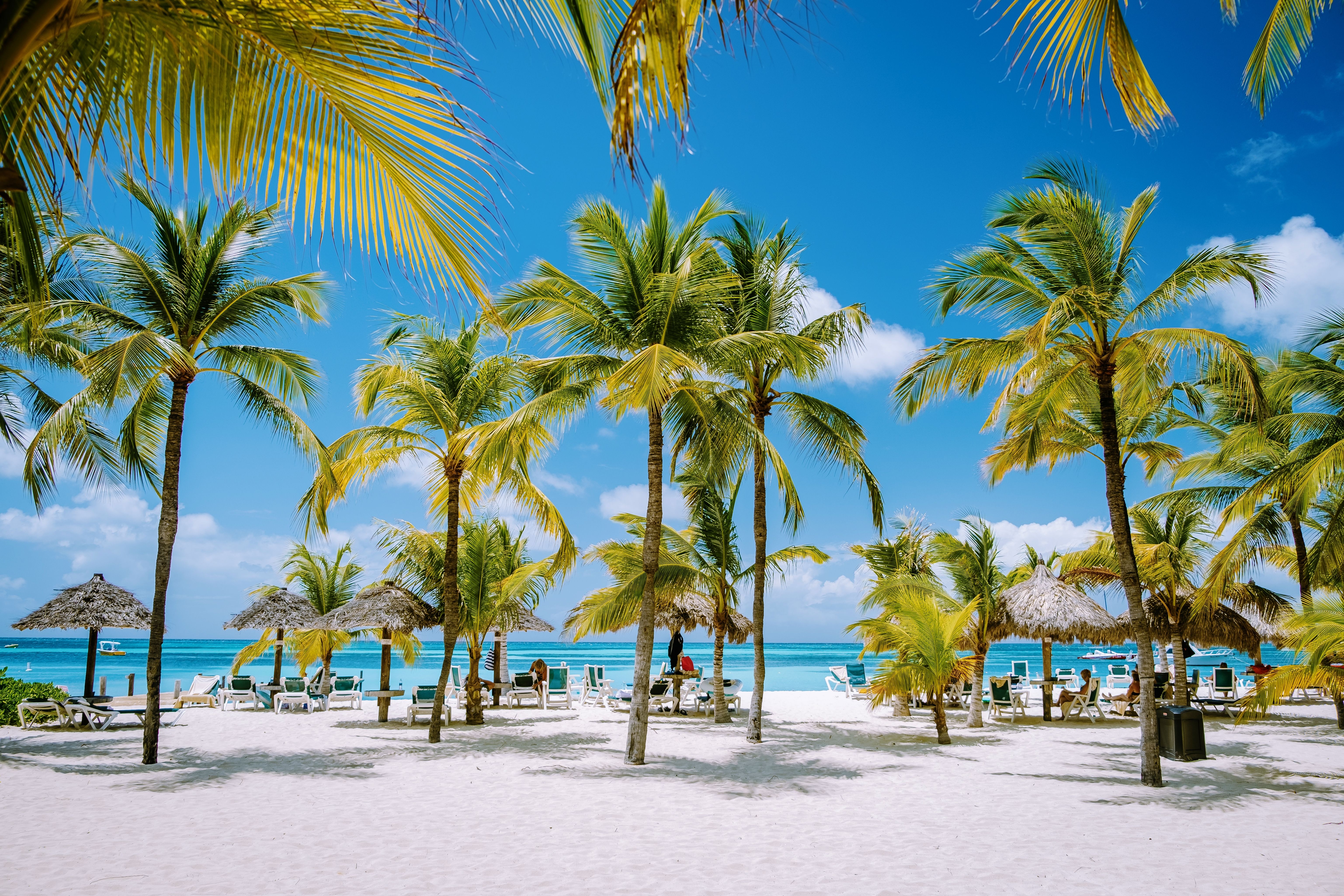
Princess Cruises and Celebrity Cruises offer selected round-trip Panama Canal itineraries from Fort Lauderdale. Depending on the sailing, these voyages may include Cartagena, Colón and the southern Caribbean islands of Aruba, Bonaire or Curaçao. Celebrity’s published 2026 program includes an 11-night partial transit aboard Celebrity Ascent, while Princess offers 12-day round-trip itineraries from Fort Lauderdale. These sailings provide a convenient introduction to the canal, with simpler travel logistics than a one-way full transit. Always confirm that the itinerary specifically includes a partial transit, as a call at Colón alone does not mean the ship will enter the canal’s locks.
San Francisco to Fort Lauderdale
Princess Cruises offers a less common but highly scenic variant departing San Francisco, adding a northern California departure option that appeals to West Coast travelers who want to avoid the Los Angeles embarkation crowds.
Round-Trip from Tampa
Selected cruises from Tampa visit Colón, offering access to Panama Canal attractions through shore excursions. However, these are generally port calls rather than partial transits, so confirm that an itinerary explicitly includes a Panama Canal transit before booking.
Pro Tip: Do not choose your transit direction solely based on expected views of a particular lock. Canal schedules, traffic and lock-lane assignments can change, so daylight passage through Miraflores is not guaranteed. Instead, compare the overall itinerary, departure port and one-way travel arrangements when choosing between an eastbound or westbound full transit.
Best Cruise Lines for the Panama Canal
Holland America Line is a strong choice for longer, destination-focused Panama Canal cruises. Its 2026–2027 program includes 12 full transits lasting 14 to 21 days aboard Eurodam, Nieuw Amsterdam, and Zuiderdam, complemented by enrichment programming and a relaxed onboard atmosphere. See our comparison of Princess Cruises vs. Holland America for a deeper look at how these two lines stack up for longer voyages.
Princess Cruises runs both full and partial transit itineraries with strong Pacific Coast departure options. The line's MedallionClass technology and well-developed enrichment programs (including dedicated canal historians on select sailings) make it a top choice.
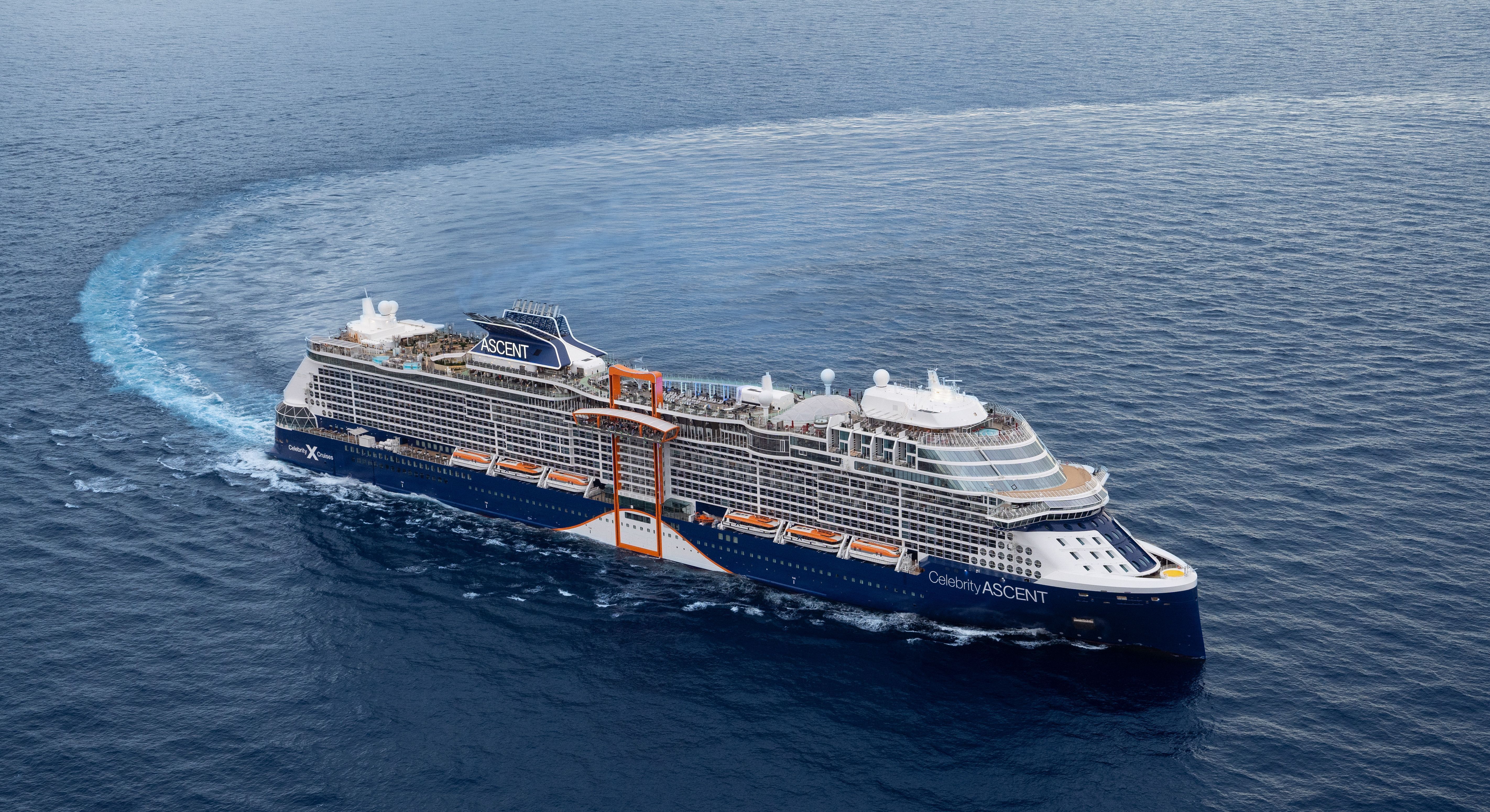
Celebrity Cruises brings its premium product to the canal route, with strong dining and spa programs that suit the longer sea-day-heavy itineraries. Celebrity operates both Panamax-size and larger ships in the region. Celebrity Summit can fit the historic locks, while Celebrity Ascent uses the expanded lock complex.
Carnival Cruise Line offers selected full transits aboard Spirit-class ships such as Carnival Legend and Carnival Miracle. Other Carnival itineraries visit Colón without taking the ship through the locks, so check the itinerary details carefully.
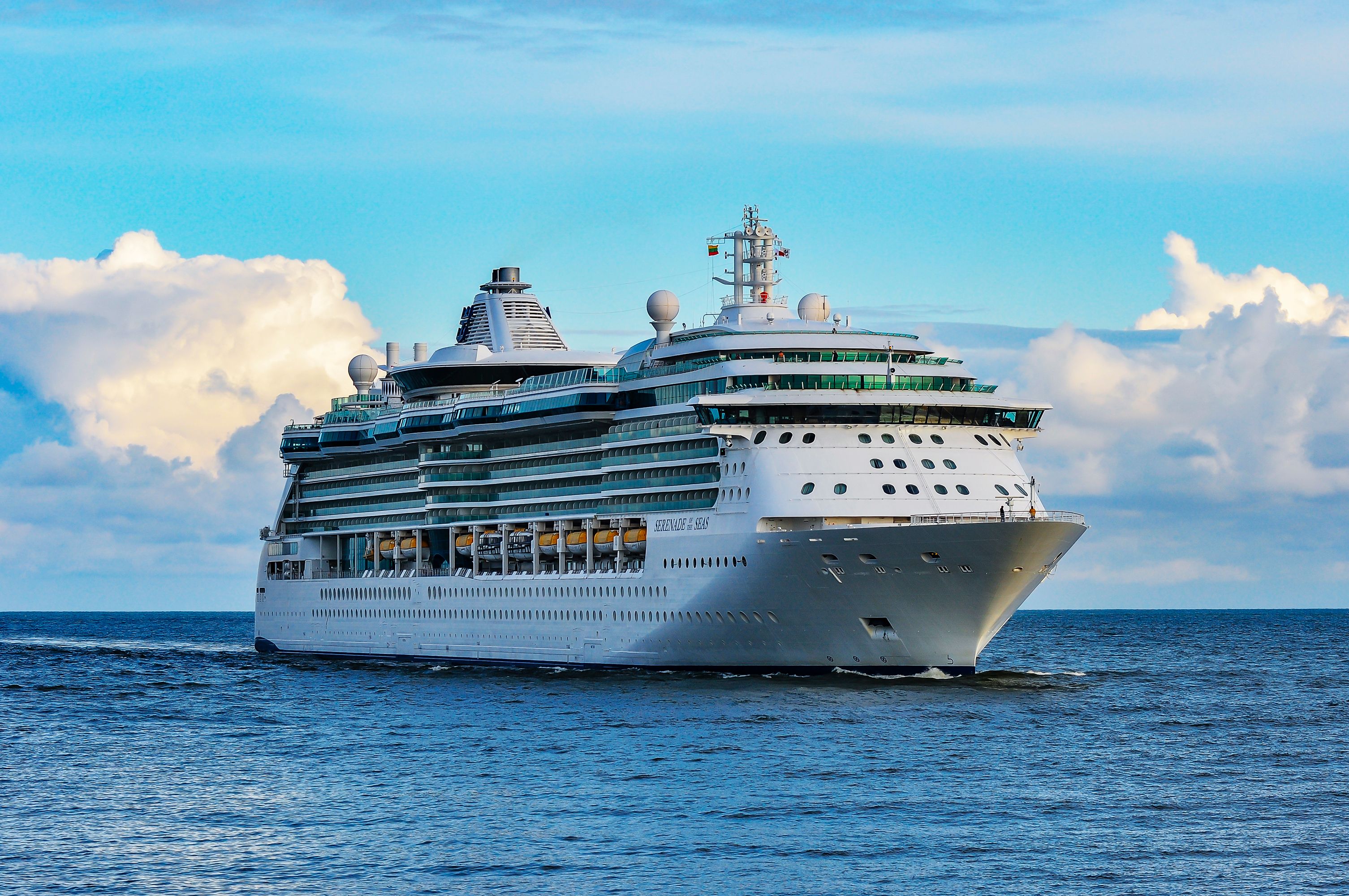
Royal Caribbean uses Radiance-class ships (Radiance of the Seas, Serenade of the Seas) for Panama Canal itineraries. These mid-sized ships fit comfortably through the older Panamax locks and offer Royal Caribbean's signature activity programming.
| Cruise Line | Best For | Typical Ship | Transit Type |
|---|---|---|---|
| Holland America Line | Longer, destination-focused voyages | Eurodam, Nieuw Amsterdam, Zuiderdam | Full transit |
| Princess Cruises | Itinerary variety and Pacific Coast departures | Caribbean Princess, Coral Princess, Crown Princess, Island Princess, Ruby Princess, Star Princess | Full & Partial |
| Celebrity Cruises | Premium dining and modern ships | Celebrity Summit, Celebrity Ascent | Full & Partial |
| Carnival Cruise Line | Casual, activity-focused cruising | Carnival Legend, Carnival Miracle | Selected full transits |
| Royal Caribbean | Activities and panoramic public spaces | Radiance of the Seas, Serenade of the Seas | Primarily full transit |
Best Ships for the Panama Canal in 2026
Not every cruise ship can transit the Panama Canal. The historic lock chambers measure 110 by 1,000 feet, with standard Panamax vessel limits of approximately 106 feet in width and 965 feet in length. The expanded Neopanamax locks, which opened in 2016, have larger chambers measuring 180 by 1,400 feet and accommodate vessels up to approximately 168 feet wide and 1,215 feet long. Cruise lines use both mid-sized Panamax ships and larger Neopanamax vessels, depending on the itinerary and assigned lock system.
Coral Princess & Island Princess (Princess Cruises): Built to fit within the original Panamax locks, these ships are especially well suited to historic-lock transits. Coral Princess was custom-built to navigate the Panama Canal, although both ships also operate itineraries in other regions.
Zuiderdam, Nieuw Amsterdam (Holland America): Holland America's Vista and Signature-class ships are well-suited to the canal and offer the line's signature dark-wood Dutch interiors and extensive library and lecture facilities — ideal for the educational nature of this voyage.
Radiance of the Seas & Serenade of the Seas (Royal Caribbean): At around 962 feet long, these Radiance-class ships fit the Panamax locks with minimal clearance — a dramatic visual for passengers watching from deck.
Carnival Legend and Carnival Miracle (Carnival): These Spirit-class ships operate selected full-transit itineraries and offer a casual, activity-focused onboard experience.
Celebrity Summit and Celebrity Ascent (Celebrity Cruises): Celebrity Summit offers a full-transit experience and can navigate the historic locks, while the larger Celebrity Ascent uses the expanded lock complex on its 2026 partial-transit itinerary.
Pro Tip: Ships near the Panamax width limit may have only about two feet of nominal clearance on each side within the historic locks. Watch from a lower open deck for the clearest sense of how close the lock walls are to the hull.
Key Ports of Call: What to Expect
Colón, Panama (Atlantic side): Colón is a principal gateway to Panama Canal attractions. Common excursions include the Agua Clara or Miraflores observation centers, Gatun Lake, Emberá community visits and selected Panama Canal Railway journeys. Organized tours can simplify the considerable transportation and timing involved.
Panama City (Pacific side): Cruise ships calling near Panama City generally use Fuerte Amador, the gateway to the UNESCO-listed Casco Antiguo and the Miraflores Visitor Center. These attractions are typically reached by organized tour, taxi or other ground transportation from the port.
Cartagena, Colombia: Cartagena is included on many full and partial-transit itineraries. Its historic walled city is compact and walkable once reached, but transportation is required from the cruise terminal. Popular sights include Castillo San Felipe de Barajas and the Getsemaní neighborhood.
Puntarenas / Puerto Caldera, Costa Rica: These are the main Pacific-side Costa Rican ports on many full-transit itineraries. Popular shore excursions include Carara National Park, wildlife and river tours, coffee-country visits and, on sufficiently long port calls, Manuel Antonio National Park.
Puerto Vallarta & Cabo San Lucas, Mexico: Common final or first stops on full transit sailings. For the best excursion guidance, see our Mexican Riviera Cruise Guide.
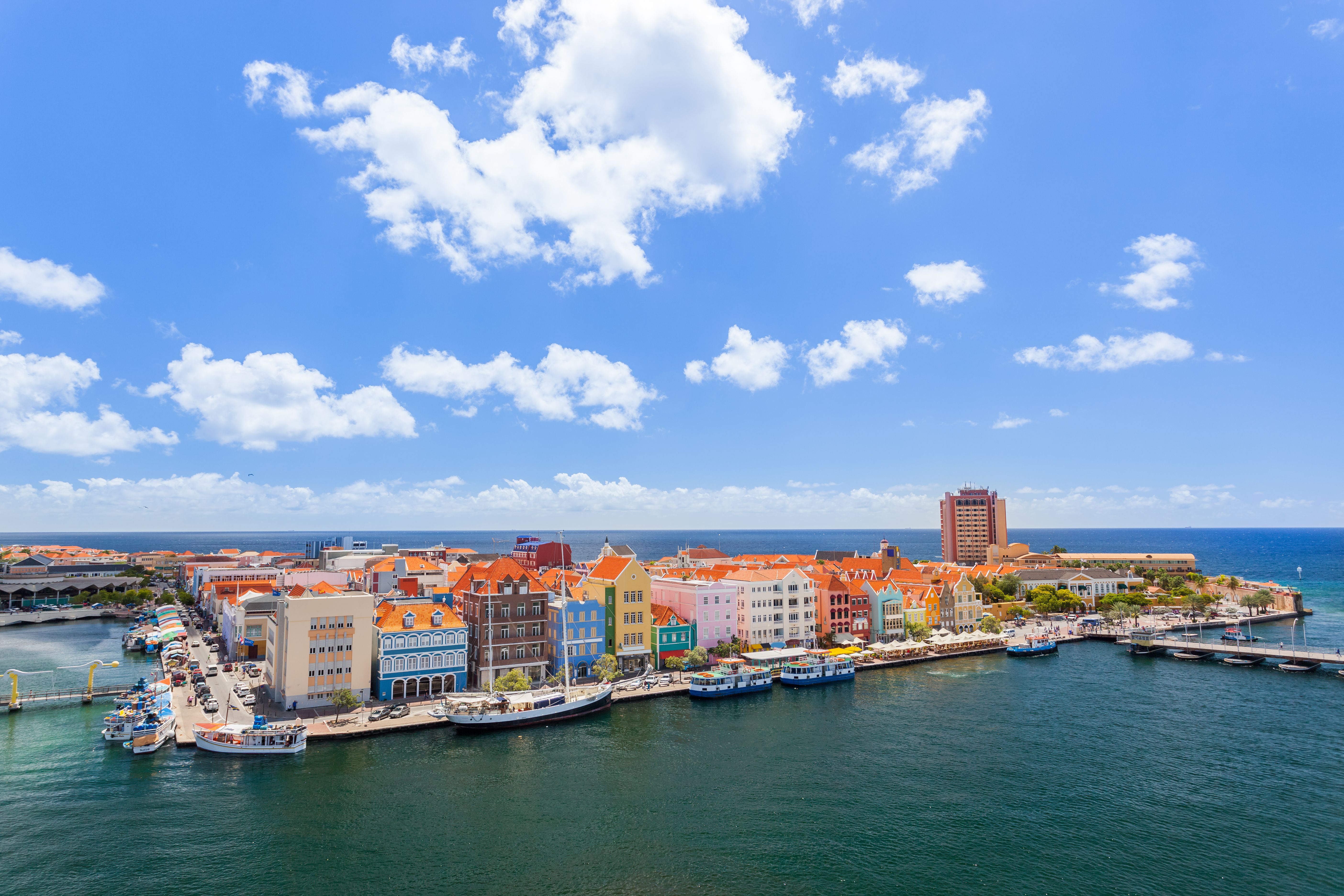
Aruba & Curaçao: Frequently included on partial transit round-trips from Florida. Both offer excellent beaches and Dutch colonial architecture. Our ABC Islands cruise guide covers these ports in detail.
Best Cabin Side for Canal Viewing
Cabin side selection matters significantly on Panama Canal sailings, and it depends on your direction of transit. We've published a dedicated breakdown at What Side Of A Cruise Ship Is Best For The Panama Canal?, but here's the quick summary:
- Eastbound (Pacific to Atlantic): The starboard (right) side offers better views of the Miraflores Locks control tower and the Bridge of the Americas.
- Westbound (Atlantic to Pacific): The port (left) side has the advantage through the Gatun Locks.
- Both directions: The bow and stern areas — particularly open deck spaces — offer 360-degree views and are where most serious photographers position themselves during the transit.
For the actual lock transits, cabin balconies are less useful than open deck space because the walls of the locks block low-angle views. Most experienced canal cruisers recommend spending the transit day on the upper open decks rather than in the cabin, regardless of which side you book.
Pro Tip: Arrive at the upper deck viewing areas at least 30–45 minutes before your ship enters the first lock. Deck chairs fill up quickly, and the approach to the locks is nearly as dramatic as the entry itself.
Shore Excursions Worth Booking
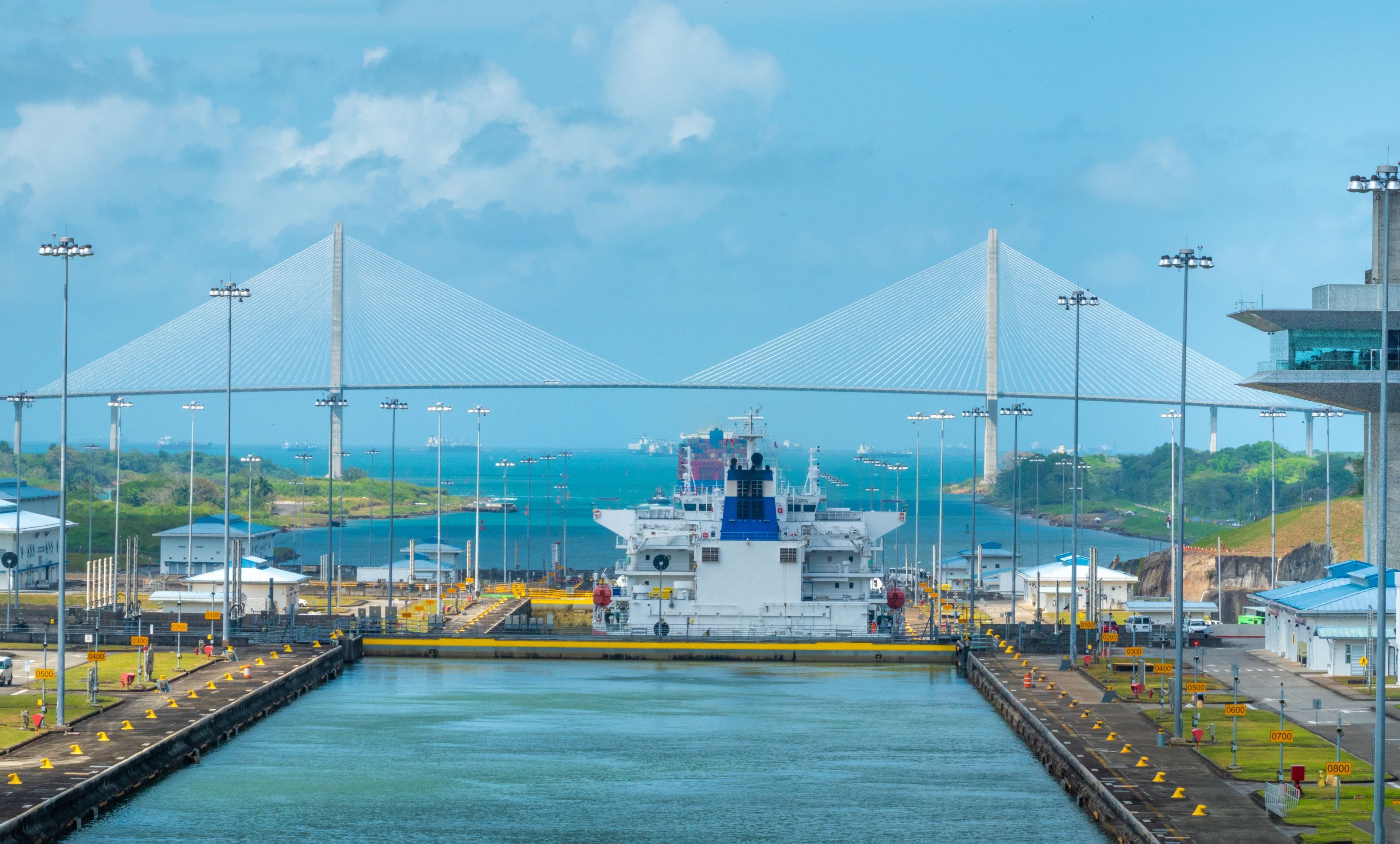
Miraflores Locks Visitor Center (from Colón): Excursions from Colón may combine a journey across the isthmus by train or coach with a visit to the Miraflores Visitor Center, which offers observation decks overlooking the historic locks. The Panama Canal Railway primarily serves cruise passengers through organized excursions, so confirm availability with your cruise line rather than relying on independent service.
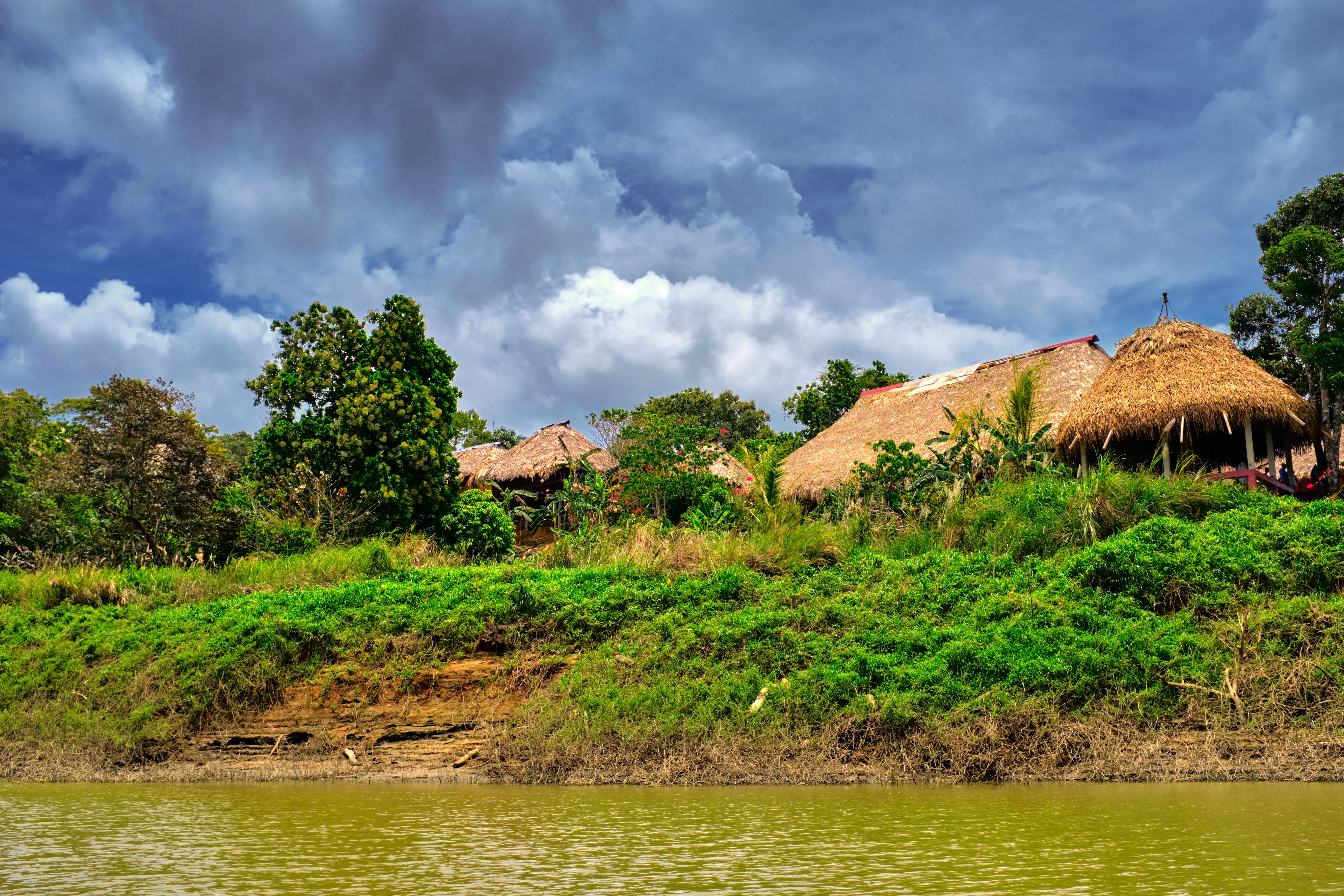
Emberá Village Experience: Accessible by dugout canoe from Colón, this guided visit to an indigenous Emberá community offers cultural demonstrations, traditional food, and craft shopping. Cruise line–organized tours can simplify transportation, timing and coordination with the ship’s departure.
Gatun Lake Kayaking: Selected tours explore the lake’s forested channels, where participants may see monkeys, sloths and tropical birds. Wildlife sightings are not guaranteed.
Cartagena Walled City Walking Tour: The historic center is well suited to guided or independent exploration once reached. Because it is not adjacent to the cruise terminal, allow sufficient time for transportation in both directions.
Manuel Antonio National Park (Costa Rica): One of the most biodiverse parks in Central America. Advance booking is advisable because park admission requires a reservation and availability may be limited on busy port days.
For a broader framework on booking excursions independently vs. through the cruise line, see our guide on how to book shore excursions.
Best Time to Go on a Panama Canal Cruise
December through April generally brings drier weather to Panama’s Pacific side and coincides with the peak Panama Canal cruise season. Conditions are often favorable for sightseeing, although the Caribbean side receives rain throughout the year and showers remain possible. Demand and fares may be higher during this period, particularly around holidays.
January and February often provide favorable conditions on Panama’s Pacific side, although rain remains possible along the Caribbean coast and in Costa Rica. These months fall within the main Panama Canal cruise season and may have higher demand.
May through November brings Panama’s wetter season, with more frequent rainfall, particularly on the Pacific side and in Costa Rica. The additional rain produces lush landscapes around Gatun Lake, although wildlife sightings are never guaranteed. Some sailings may offer lower fares during this period, but availability is more limited because the main Panama Canal cruise season generally runs from October or November through April or May.
Atlantic hurricane season runs from June through November and may affect Caribbean ports or sailing conditions. Panama, Cartagena and Aruba generally experience fewer direct hurricane strikes than destinations farther north, but tropical weather can still cause heavy rain, rough seas and itinerary changes. For more context on sailing during this window, see our guide to best cruises during hurricane season.
| Period | General Conditions | Availability | Best For |
|---|---|---|---|
| December–February | Drier on the Pacific side; showers remain possible | High cruise-season availability | Generally favorable sightseeing weather |
| March–April | Warm, with relatively dry Pacific-side conditions | Regular cruise-season availability | Late-season cruising |
| May–September | Wetter and more humid | Limited canal-cruise availability | Travelers flexible about rainfall |
| October–November | Wet-season conditions; cruise season begins | Increasing availability | Early-season itineraries |
Booking Tips and Pricing
Book early for full transits. These sailings are less frequent than partial transits, so begin comparing options about 12 months in advance for the widest choice of ships, dates and cabins. If you are planning a late-2026 departure, check current availability now; for 2027, booking early is advisable.
Partial transits offer more flexibility. Their round-trip format simplifies flights and other travel arrangements, although departure frequency and cabin availability vary by season.
Consider repositioning cruise value. Many full transits reposition ships between seasonal cruising regions. These voyages may offer competitive per-night fares, but travelers should include one-way flights and pre- or post-cruise accommodation when comparing total costs. Our article on what is a repositioning cruise explains how to maximize this value.
Cabin category matters more than usual. On a voyage lasting two weeks or longer with several sea days, a balcony can provide additional comfort and private outdoor space. However, public open decks generally offer a broader range of views during the canal transit. Choose a cabin that fits your budget and arrive early at the ship’s main viewing areas on transit day.
Check current promotions carefully. Cruise lines may offer reduced deposits, onboard credit or bundled amenities, but inclusions vary by sailing and booking date. Compare the final price and terms rather than the advertised discount alone.
Pro Tip: If you are flexible about your departure city, compare full-transit itineraries from Los Angeles, San Francisco, San Diego, Seattle and Vancouver. Voyage length, ports, airfare and total trip cost can vary considerably.
Key Takeaways
- Full transit vs. partial transit is the defining choice: a full transit crosses from ocean to ocean, while a partial transit enters Gatun Lake before returning to the Atlantic.
- A Colón port call is not automatically a canal transit, so check the itinerary description carefully.
- Coral Princess and Island Princess are especially well suited to the historic locks, while larger ships such as Star Princess use the expanded locks.
- Holland America and Princess Cruises offer strong options for longer or more varied canal itineraries.
- December through April generally brings drier Pacific-side weather, although rain remains possible throughout the region.
- Begin comparing full transits about 12 months ahead for the widest choice of dates and cabins.
Frequently Asked Questions
Q: How long does it take to transit the Panama Canal on a cruise?
A full Panama Canal transit typically takes approximately eight to ten hours, although timing can vary with canal traffic and operational conditions. Cruise lines generally devote most of the day to the passage and may provide expert narration throughout. On eastbound sailings, ships travel from the Pacific to the Atlantic, entering through the Miraflores and Pedro Miguel locks—or the expanded Cocolí Locks—and exiting through the Gatun or Agua Clara locks. Westbound sailings follow the reverse route.
Q: Can large ships like Icon of the Seas or Wonder of the Seas transit the Panama Canal?
Royal Caribbean does not deploy its Oasis-class or Icon-class ships on Panama Canal transits. Its current canal program instead uses the smaller Radiance of the Seas and Serenade of the Seas.
Q: What is the best cruise line for a first-time Panama Canal cruise?
Princess Cruises is a strong first-time option because it offers both full and partial transits, multiple departure ports and ships using both the historic and expanded locks. Celebrity and Holland America are also worth considering for a more premium or longer, destination-focused voyage.
Q: Do I need a visa to visit Panama on a cruise?
U.S. tourists generally do not need a visa for stays of up to 180 days. Current guidance calls for a passport valid for at least three months beyond entry, proof of onward travel and proof of funds. Cruise passengers should confirm the exact documentation rules with the cruise line and the Panamanian authorities.
Q: What is Gatun Lake and why does it matter on a Panama Canal cruise?
Gatun Lake is a 163-square-mile man-made reservoir formed by damming the Chagres River during the canal’s construction. It was the world’s largest artificial lake when created and remains essential to canal operations. During a full transit, ships cross the lake between the Atlantic- and Pacific-side locks, passing through a landscape of tropical forest that is among the voyage’s most scenic stretches.
Q: Are Panama Canal cruises good for families with children?
Panama Canal cruises are often longer and more educational than typical Caribbean sailings, but they can suit families interested in history, engineering and wildlife. Compare voyage length, sea days and children’s programming carefully; Carnival and Royal Caribbean generally offer more activity-focused onboard experiences.
Fast Facts
- Best For: History enthusiasts, bucket-list travelers, couples and travelers who enjoy longer, destination-focused voyages
- Price Range: Fares vary widely by ship, departure date, cabin category and promotion; compare total prices, including taxes, fees and one-way airfare
- Best Time to Book: About 12 months ahead for the widest choice of full transits; partial transits may offer more flexibility
- Main Cruise Season: Generally October or November through April or May
- Drier Period: December through April, particularly on Panama’s Pacific side
- Typical Duration: About 10–12 nights for partial transits and 14–21 nights for full transits
- Notable Ship Picks: Coral Princess and Island Princess for historic-lock transits; Star Princess for an expanded-lock experience; Zuiderdam and Radiance of the Seas for longer full transits
- Best for Longer Voyages: Holland America Line
- Best for Itinerary Variety: Princess Cruises
- Popular Excursion: Panama Canal Railway with a lock observation-center visit from Colón; availability varies by sailing
- Key Decision: Full transit—usually a one-way ocean-to-ocean crossing—versus partial transit, usually a round-trip voyage from Florida that enters Gatun Lake before returning to the Atlantic.