NYC Winter Cruise Embarkation Day: Cold-Weather Survival Guide
Embarking from New York City in winter requires planning for cold waterfront conditions, possible outdoor waiting, and weather-related travel disruptions. Wind chill can make luggage drop-off and terminal entry uncomfortable, while snowstorms may affect transportation and boarding arrangements. This guide covers the clothing, arrival strategies, and contingency plans that can help you prepare for a January or February departure.
Why NYC Embarkation Day Can Be Challenging in Winter
The Manhattan Cruise Terminal sits on the Hudson River at 711 12th Avenue, with vehicle access at West 55th Street and 12th Avenue. Confirm your assigned pier in your cruise documents before arranging transportation. Waterfront winds can make outdoor waiting feel colder than the air temperature suggests, so check the departure-day forecast before heading to the terminal.
The physical layout of the terminal can add to the challenge. Although check-in takes place indoors, you may spend time outside during luggage drop-off or while waiting to enter. Waiting times vary by sailing and terminal operations, so keep your coat, gloves, and other winter layers accessible until you are indoors.
Passengers departing from Cape Liberty in Bayonne, New Jersey, should also prepare for cold waterfront conditions. At either terminal, follow your cruise line’s assigned arrival window and allow extra travel time if snow or ice could affect your journey.
Pro Tip: Check the National Weather Service’s local hourly forecast the night before embarkation and again that morning. Review temperature, wind speed, gusts, and precipitation to plan your layers and transportation.
Manhattan vs. Cape Liberty: Winter Comparison
The Manhattan Cruise Terminal (Piers 88/90) offers winter departures aboard Norwegian Bliss, including eight-night Florida and Bahamas itineraries plus longer Caribbean routes for winter 2026–27. MSC Meraviglia concluded its New York program at the separate Brooklyn Cruise Terminal in April 2026. Its planned winter 2026–27 return was canceled in favor of sailings from Miami.
Cape Liberty in Bayonne, NJ, is another departure option in the New York area, serving Royal Caribbean and Celebrity Cruises. Check sailing availability for your travel dates.
| Feature | Manhattan Cruise Terminal (Piers 88/90) | Cape Liberty (Bayonne, NJ) |
|---|---|---|
| Wind Exposure | Waterfront location; prepare for cold winds | Waterfront location; prepare for cold winds |
| Outdoor Queue Exposure | Outdoor waiting may occur during luggage drop-off and terminal entry | Outdoor waiting may occur during luggage drop-off and terminal entry |
| Transit Access | Subway, bus, taxi, and rideshare; public transit may require a walk or final vehicle connection | No direct rail service to the terminal; PATH and light rail options require a final taxi connection |
| On-Site Parking | $45 per night, including taxes | $35 per day, including taxes |
| Cruise Options | Norwegian Bliss’s winter 2026–27 Bahamas and Caribbean sailings | Royal Caribbean and Celebrity Cruises; availability varies by season |
| Travel from Midtown Hotels | Generally a shorter transfer; travel time varies | Requires travel to Bayonne; allow for traffic and winter conditions |
Parking rates checked October 2026; subject to change.
For passengers staying in Midtown the night before, the Manhattan terminal’s proximity can simplify embarkation-day transportation. Cape Liberty requires a longer transfer from Midtown, whether traveling directly by vehicle or combining public transit with a final taxi connection. For either terminal, allow extra travel time during winter weather and follow your cruise line’s assigned arrival window.
Getting to the Terminal: Winter Transport Options

Winter weather can disrupt ground transportation and lengthen the journey to your cruise terminal. Check current traffic and weather conditions, allow extra travel time, and confirm your assigned terminal entrance before setting out.
Taxi and Rideshare (Uber/Lyft)
Taxis and rideshares are convenient options for Manhattan-based passengers. Travel times and fares vary by pickup location, traffic, and demand, especially during storms. Compare current estimates, including applicable tolls, surcharges, and gratuities; scheduling ahead does not eliminate weather-related delays.
Subway + Walk
The A, C, and E lines stop at 42nd Street–Port Authority Bus Terminal, but reaching your assigned pier requires an additional walk or vehicle connection. Check the route to the terminal entrance before traveling. In freezing, snowy, or icy conditions, consider a taxi for the final stretch, particularly if you have substantial luggage.
Pre-Booked Car Service
For families or groups with significant luggage, a pre-booked car service can simplify transportation. Confirm the fare, pickup location, terminal drop-off arrangements, and cancellation terms when booking. Severe weather can still affect pickup times and availability.
Cruise Line Transfers
Ask your cruise line which airport or hotel transfers are available for your booking. Norwegian offers pre-purchased airport-to-pier transfers, but pickup arrangements and eligible flight times must be confirmed, and passengers may need to wait while vehicles fill. Do not assume transfers are available from every Midtown hotel or guarantee an immediate departure.
Pro Tip: If flying into JFK, LaGuardia, or Newark for a winter cruise, consider arriving in the New York area at least a day before sailing. If you must fly on embarkation day, confirm acceptable flight-arrival times with your cruise line; no fixed travel buffer guarantees that you will reach the ship.
For a broader look at ground transportation options across major U.S. cruise terminals, Transportation to Cruise Terminal: Best Ways to Get to Your Ship breaks down the full range of options.
Outdoor Queue Survival: Layers and Gear

You may spend time outdoors during luggage drop-off and terminal entry, so dress for the forecast temperature, wind chill, and precipitation. Wear layers you can remove once indoors rather than relying on a fixed temperature assumption.
The Layering System That Works
- Base layer: Moisture-wicking merino wool or synthetic fabric; avoid cotton next to the skin because it retains moisture.
- Mid layer: Fleece, a wool sweater, or an insulated vest for warmth.
- Outer layer: A windproof, water-resistant jacket over adequate insulation; choose waterproof protection when rain or wet snow is forecast.
- Extremities: Insulated gloves, a wool or fleece hat covering your ears, warm socks, and weather-appropriate boots with good traction.
Adjust the number and thickness of your layers to the conditions.
Footwear Matters
Sidewalks and drop-off areas can become icy or slushy during winter weather. Waterproof boots or sturdy, water-resistant shoes with treaded soles are practical choices when snow or rain is expected. Choose comfortable footwear for walking and standing, as boarding wait times vary.
Face and Neck Protection
A scarf, neck gaiter, or balaclava can provide additional coverage in cold, windy conditions. Keep it accessible during your journey and any outdoor waiting.
Pro Tip: Disposable hand warmers can add comfort during outdoor waits. Activate and use them according to the package instructions, including placement and skin-contact precautions. Heating duration varies by product; HotHands advertises up to 10 hours for its standard hand warmers.
Luggage Strategy for Cold and Wet Conditions
Your checked bags may encounter rain or snow during transfer to the ship. Moisture can enter through fabric, zippers, or seams, so protect sensitive belongings and keep electronics and important documents in your carry-on.
Waterproofing Your Checked Bags
Pack clothing and other moisture-sensitive items in sealed plastic bags or waterproof liners inside your suitcase. A fitted luggage rain cover can provide additional protection, but keep luggage tags visible and handles accessible, and follow porter instructions. Hard-shell luggage is not necessarily waterproof.
What to Keep in Your Carry-On
On a winter NYC embarkation, keep essentials accessible until your checked luggage reaches your cabin:
- Electronics and travel documents, including passports and boarding passes, in a waterproof pouch
- One full change of clothes in a sealed plastic bag
- All essential medications
- Hand warmers, a packable hat, and gloves
Luggage Drop Timing
Prepare your bags before reaching the drop-off area, with luggage tags securely attached and carry-on essentials already separated. Follow staff instructions when handing over checked bags, then proceed toward the terminal entrance. Outdoor waiting may still occur, so keep your winter layers on until you are indoors.
For guidance on the best luggage types for cruise travel, Best Luggage for Cruises covers hard-shell vs. soft-sided options in detail.
Timing Your Arrival to Minimize Outdoor Exposure

Planning your arrival can help reduce unnecessary waiting, but queue lengths vary by sailing, weather, and terminal operations. Follow the port-arrival window in your cruise documents rather than assuming a particular time guarantees shorter lines.
Arriving During Your Assigned Window
Complete your cruise line’s online check-in and select a port-arrival appointment if offered. Arriving before your assigned window may mean additional waiting, so check your instructions before leaving your hotel.
Choosing a Later Arrival
If your cruise line offers a later appointment, it may suit your travel plans, but shorter queues are not guaranteed. Allow extra travel time during winter weather and confirm that you can meet all check-in and boarding deadlines.
Confirming Your Boarding Deadline
Your arrival appointment is different from the final boarding deadline. Check both in your cruise documents, and do not plan your arrival around the ship’s departure time alone. Follow any updated instructions from your cruise line if weather affects embarkation.
Pro Tip: Complete your cruise line’s online check-in and select a port-arrival time if offered. Monitor your email and the cruise line’s app for updates. An arrival appointment does not guarantee immediate entry or boarding.
What to Do If Your Sailing Is Delayed by Weather
Winter storms can disrupt travel to the terminal and lead to delayed boarding, itinerary changes, or canceled sailings. Follow your cruise line’s latest instructions rather than assuming the original schedule still applies.
If a Storm Is Forecast on Your Embarkation Day
- Monitor cruise line communications in the days before sailing. Check your email, booking account, and cruise line’s app for updates. Keep your contact details current and check your spam folder.
- Follow updated terminal-arrival instructions. If boarding is delayed, do not head to the terminal earlier than instructed. A delayed departure does not necessarily mean your arrival window or boarding deadline has changed.
- Have a warm fallback location nearby. Ask your hotel whether you can remain indoors after checkout, or identify an open café near your assigned terminal. Confirm opening hours and whether the location can accommodate your group and luggage; do not assume hotel lobbies are available to non-guests.
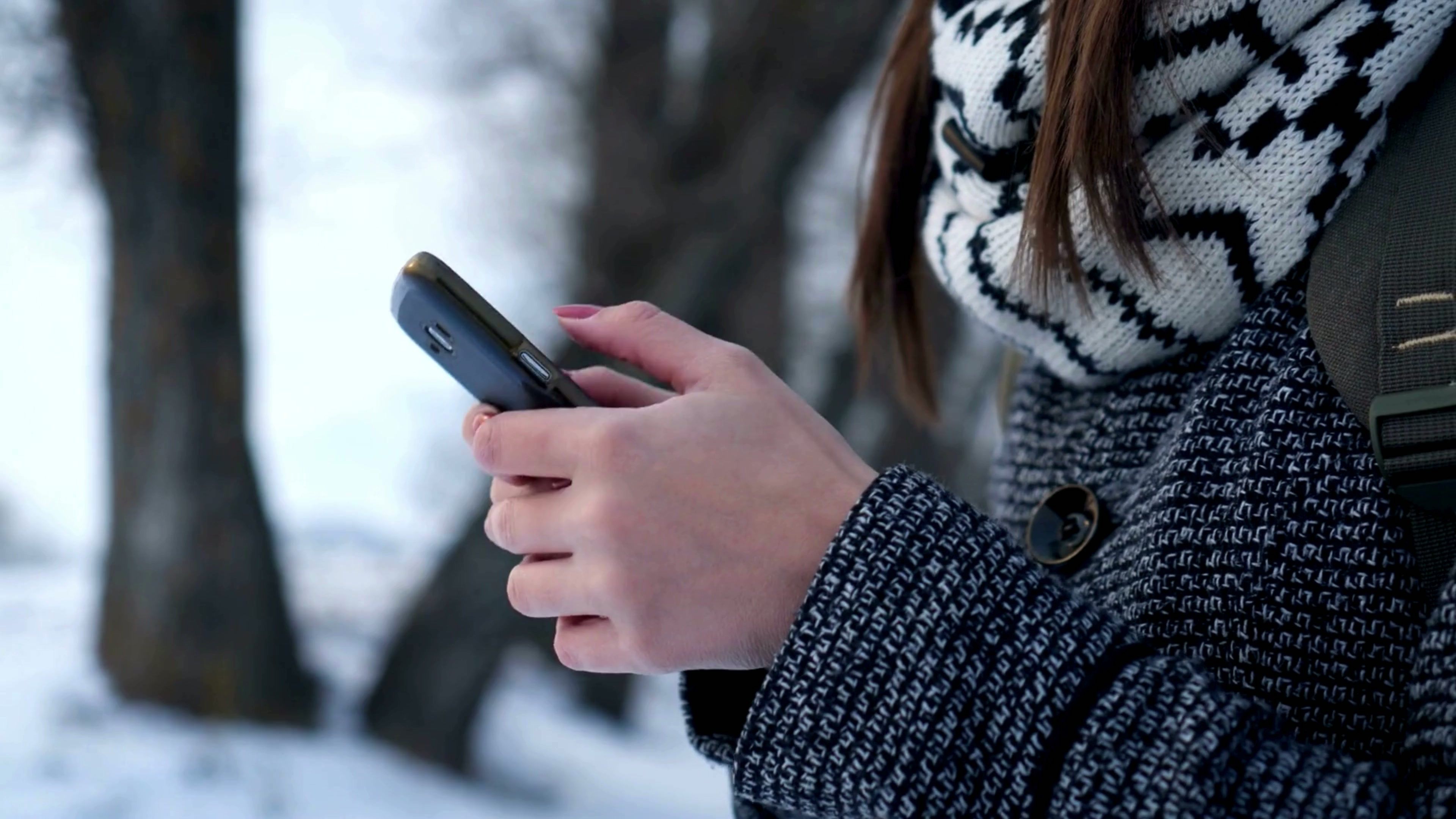
- Keep your phone charged. Carry a charged power bank, download your cruise line’s app, and enable notifications before leaving your accommodation. Save boarding documents and important contact numbers offline.
- Review cancellation, delay, and refund terms. Refunds, future cruise credits, and reimbursement of additional expenses depend on the circumstances, applicable policies, and legal requirements. Check your cruise line’s notice and booking terms, and review any travel insurance coverage before making alternative arrangements.
Embarkation Day Packing Checklist for NYC Winter

This checklist supplements your standard cruise packing list with items for cold-weather travel and possible outdoor waiting. Adjust your clothing to the departure-day forecast.
Wear to the Terminal (Not Packed)
- Warm, wind-resistant outer jacket; waterproof protection if rain or snow is forecast
- Wool or fleece hat covering ears
- Insulated gloves
- Neck gaiter or scarf
- Moisture-wicking base layer
- Weather-appropriate boots with good traction
- Wool or thermal socks
In Your Carry-On Bag
- Required identification, travel documents, and boarding documents in a waterproof sleeve or resealable bag
- Hand warmers, used according to package instructions
- Fully charged phone and portable power bank
- One change of clothes in a sealed bag
- All essential medications
- Permitted snacks and an empty reusable water bottle, subject to your cruise line’s rules
- Packable tote bag for layers once you’re on the ship
For Your Checked Bags
- Sealed bags or waterproof liners to protect moisture-sensitive contents
- Optional fitted rain cover, with luggage tags visible and handles accessible
- Luggage tags securely attached and protected from moisture
- Clothing for both cold departure conditions and warmer destinations
Pro Tip: Keep a comfortable change of clothes in your carry-on, as checked luggage may arrive after you board. Retain warm layers for outdoor decks—the first sea day after leaving New York may still be cold.
For a comprehensive guide to what's already available on your ship once you board, see our overview of Cruising from NYC in Winter: Best Ships & Cold-Weather Tips, which covers Norwegian Bliss's winter itineraries and onboard features in detail.
Key Takeaways
- Dress for the forecast and possible outdoor waiting. Check temperature, wind chill, and precipitation before leaving. Wear warm layers and weather-appropriate footwear with good traction.
- Follow your assigned port-arrival window. Arriving early or late does not guarantee shorter queues. Confirm your check-in and boarding deadlines, and allow extra travel time during winter weather.
- Protect checked luggage from moisture. Use sealed bags or waterproof liners inside your suitcase. If adding a rain cover, keep luggage tags visible and handles accessible.
- Have a warm fallback plan if boarding is delayed. Confirm somewhere you can wait indoors, such as your hotel or an open café near your assigned terminal.
- Complete online check-in and monitor updates. Select a port-arrival appointment if offered, then follow your cruise line’s latest instructions. An appointment does not guarantee immediate entry or boarding.
Frequently Asked Questions
Q: Can I wait indoors at Manhattan Cruise Terminal?
Yes, the terminal has indoor check-in and waiting areas, but access depends on terminal operations and your arrival time. You may need to wait outdoors during luggage drop-off or before entry, so dress for the forecast and follow your assigned arrival window.
Q: Can I take the subway to Pier 90 in winter?
Yes. The A, C, and E lines serve 42nd Street–Port Authority Bus Terminal, but you will need to walk or take a vehicle connection to the cruise terminal. Check the route to your assigned pier entrance, and consider a taxi for the final stretch if sidewalks are snowy or icy or you have substantial luggage.
Q: What happens if a snowstorm hits on my embarkation day?
Winter storms can disrupt travel to the terminal and lead to delayed boarding, itinerary changes, or cancellations. Monitor your cruise line’s communications in the days before departure and follow updated arrival instructions. A delayed sailing does not automatically mean your boarding deadline has changed.
Q: Is Cape Liberty in Bayonne a better option than Manhattan in winter?
Both terminals require preparation for cold waterfront conditions and possible outdoor waiting. Manhattan Cruise Terminal generally offers a shorter transfer for passengers staying in Midtown. Cape Liberty can be reached by road or by combining public transit with a final taxi connection; the more convenient option depends on your starting location and booked sailing.
Q: What time should I arrive for check-in at Manhattan Cruise Terminal?
Follow the port-arrival window in your cruise documents and any updated instructions from your cruise line. Confirm your assigned pier and final boarding deadline before traveling; arriving early does not guarantee faster entry or boarding.
Q: Do I need to tip the luggage porters at the Manhattan terminal?
If you choose to tip a porter, carry small bills. A gratuity does not guarantee faster handling or delivery. Keep luggage tags securely attached and retain travel documents, valuables, and essential medications in your carry-on.
Fast Facts
- Best For: Passengers departing from Manhattan Cruise Terminal or Cape Liberty between November and March
- Outdoor Waiting: Possible during luggage drop-off and terminal entry; duration varies
- Recommended Arrival: Your cruise line’s assigned port-arrival window; confirm check-in and boarding deadlines
- January Weather: Average highs around 40°F and lows around 28°F, based on Central Park climate normals. Wind chill varies; check the departure-day forecast
- On-Site Parking: $45 per night, including taxes, at Manhattan Cruise Terminal; reconfirm before traveling
- Winter Sailing Example: Norwegian Bliss offers eight-night Florida and Bahamas cruises plus longer Caribbean itineraries from New York in winter 2026–27
- Key Weather Resources: National Weather Service local forecasts and alerts, supplemented by marine zone ANZ338 (New York Harbor) for wind information
- Top Gear Priorities: Warm layers, windproof outerwear, waterproof boots with good traction, and optional hand warmers