

Mediterranean Repositioning Cruises 2026: Best Deals & Routes
Mediterranean repositioning cruises in 2026 move ships between their winter Caribbean/Florida homeports and their summer European deployments — or vice versa — creating one-way ocean crossings (often referred to as transatlantic repositioning cruises) that can offer some of the lowest per-night fares in cruising, particularly on longer sailings.
Spring sailings (March through May) head eastbound from the Americas to the Mediterranean, while fall sailings (September through November) reverse course. Because these voyages serve both an operational need and a commercial opportunity, cruise lines price them to attract bookings — resulting in competitive pricing designed to fill cabins on these one-way transatlantic sailings.
What Is a Mediterranean Repositioning Cruise?
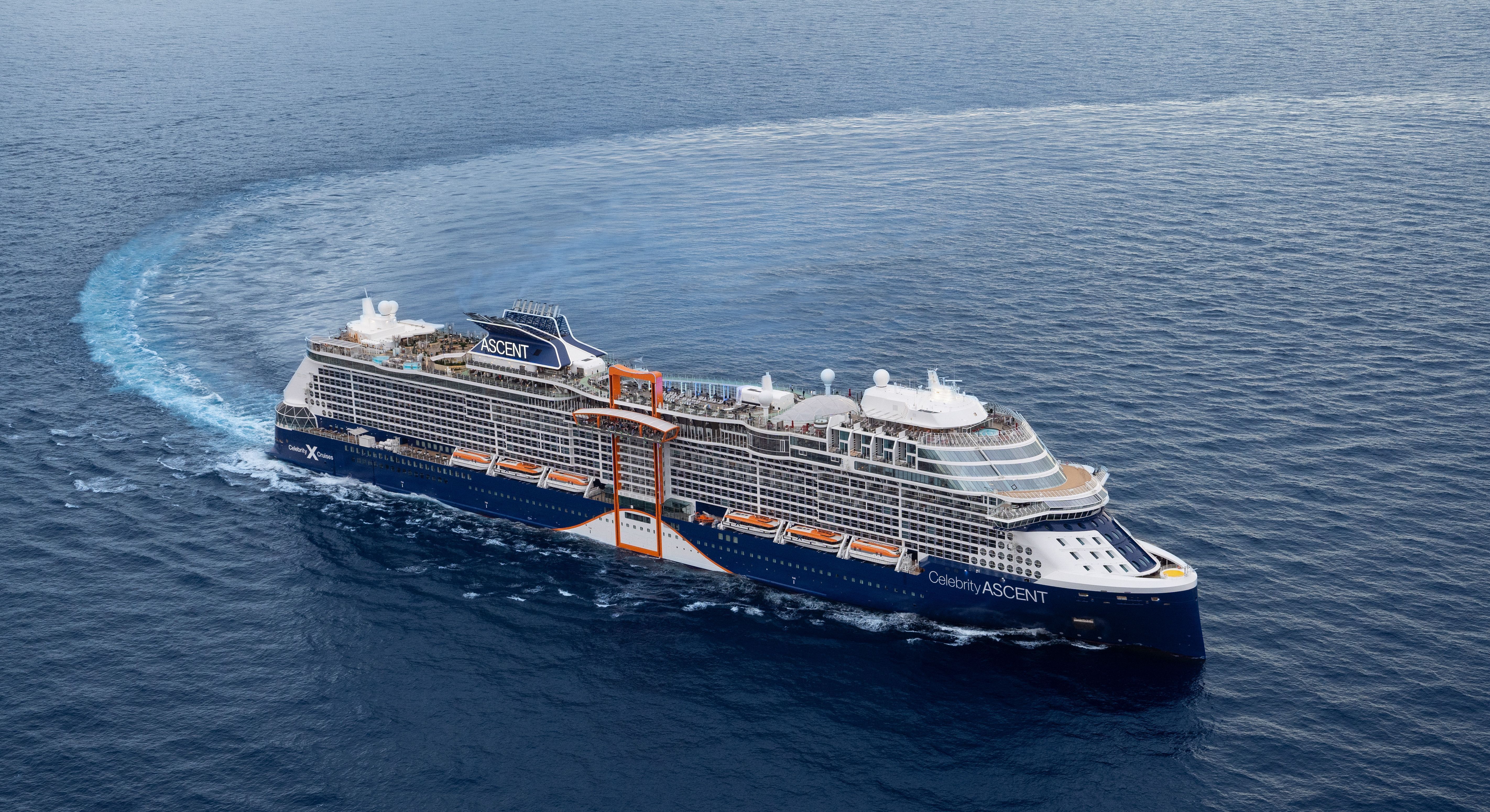
A repositioning cruise occurs when a ship physically moves from one seasonal deployment region to another. For Mediterranean repositioning sailings specifically, the ship is either:
- Heading to Europe (spring): Departing from Florida, New York, or another U.S. East Coast port, crossing the Atlantic, and arriving in Barcelona, Rome (Civitavecchia), Lisbon, or Southampton.
- Leaving Europe (fall): Departing Mediterranean or Northern European ports and sailing back to Florida, Tampa, or Fort Lauderdale for Caribbean season.
These are one-way itineraries, which means passengers typically need to arrange one-way airfare — either flying to the departure port or home from the arrival port. That one-way flight cost is the trade-off for dramatically reduced cruise fares. For a deeper breakdown of how these sailings work, see our guide on what is a repositioning cruise.
Pro Tip: Book your return flight from your European arrival port rather than a round-trip. Comparing one-way, round-trip, and open-jaw flights can help optimize total trip cost, as pricing varies significantly by route, timing, and airline.
Why Spring 2026 Is an Ideal Time to Book
Spring 2026 repositioning sailings represent a particularly strong value window for several reasons.
Mild Atlantic crossing weather. Atlantic conditions vary by sailing, but spring crossings are often associated with favorable shoulder-season timing for travel to Europe.
Arrive in Europe at peak shoulder season. Ships arriving in Barcelona, Rome, or Lisbon in April or May deposit passengers just before the summer crowds hit. Temperatures are comfortable, queues at major sights are manageable, and hotel prices haven't peaked.
Competitive pricing pressure. With multiple major lines repositioning simultaneously in spring 2026 — Celebrity, Royal Caribbean, MSC, Virgin Voyages, and others — cruise lines are competing for the same pool of savvy travelers, which keeps fares lower.
Extended sea days for onboard experiences. A transatlantic crossing typically includes multiple consecutive sea days — often 4–7 on standard routes, depending on port stops — which is a feature, not a bug for passengers who want to maximize the ship’s restaurants, spa, and onboard programming without port-day interruptions.
Pro Tip: If you're prone to motion sickness on sea-heavy itineraries, a midship cabin on a lower deck minimizes movement. Check our guide on how to choose a room on a cruise ship before booking.
Best Mediterranean Repositioning Routes & Itineraries 2026
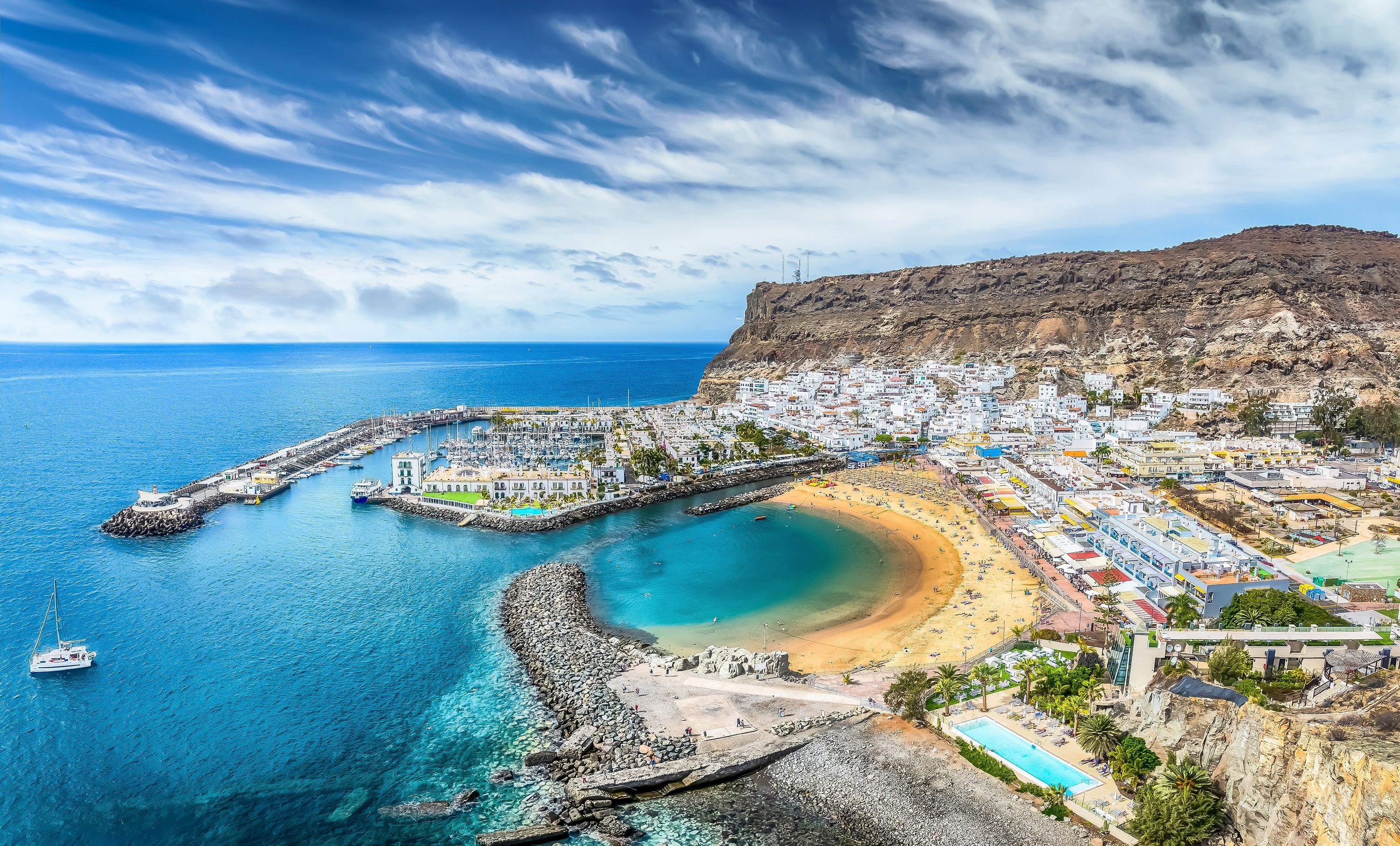
Eastbound (Americas → Mediterranean): Spring 2026
These are the headline routes confirmed or expected for spring 2026:
Royal Caribbean – Odyssey of the Seas: Royal Caribbean regularly operates spring transatlantic repositioning sailings from the New York area (Cape Liberty, New Jersey) to Barcelona. These itineraries typically run 14–15 nights and include stops in the Azores, Lisbon, and southern Spain before arriving in the Mediterranean.
Celebrity Cruises – Eastbound Transatlantic: Celebrity offers multiple spring repositioning options from Fort Lauderdale and Tampa to Rome (Civitavecchia) or Barcelona. Depending on the sailing, itineraries may include Bermuda, the Azores (Ponta Delgada), or Canary Islands ports, adding variety to the crossing.
Virgin Voyages – Scarlet Lady: Virgin Voyages operates a 14-night Miami-to-Barcelona transatlantic each spring, often calling at Las Palmas de Gran Canaria, Casablanca, and Alicante. Fares include dining and Wi-Fi, which can simplify total trip cost comparisons.
Westbound (Mediterranean → Americas): Fall 2026
Fall repositioning sailings depart European ports between September and November:
Celebrity Cruises: For fall repositioning season, Celebrity operates westbound transatlantic sailings from Barcelona and Rome (Civitavecchia) to Florida homeports such as Fort Lauderdale. Itineraries typically include ports in Spain and Portugal — such as Valencia, Cádiz, and Lisbon — before the Atlantic crossing. Some routes also break up sea days with stops in the Azores (Ponta Delgada) or Bermuda, depending on the ship and sailing.
MSC Poesia – Panama Canal Grand Voyage: MSC Poesia operates an extended repositioning sailing in April 2026, including a ~34-night voyage from the Mediterranean (e.g., Genoa or Civitavecchia/Rome) to Seattle via the Panama Canal. While this is not a traditional transatlantic repositioning cruise, it represents a longer repositioning-style itinerary. Select segments — including Miami to Seattle — can be booked independently, offering more flexible entry points.
Cruise Lines Offering Mediterranean Repositioning Sailings in 2026
| Cruise Line | Ship(s) | Direction | Approx. Duration | Key Ports | Market Segment |
|---|---|---|---|---|---|
| Royal Caribbean | Odyssey of the Seas | Eastbound (spring) | 14–15 nights | New York (Cape Liberty) → Barcelona | Mainstream |
| Celebrity Cruises | Multiple ships | Both directions | 14–16 nights | Fort Lauderdale / Tampa ↔ Barcelona / Rome (Civitavecchia) | Premium |
| Virgin Voyages | Scarlet Lady | Eastbound (spring) | 14 nights | Miami → Barcelona via Canaries & Casablanca | Adults-only premium |
| Holland America | Multiple ships | Both directions | 14–18 nights | Fort Lauderdale ↔ Rotterdam / Mediterranean ports | Premium |
| MSC Cruises | MSC Poesia | Extended repositioning | ~34 nights | Mediterranean → Panama Canal → Seattle | Mainstream |
Pro Tip: Holland America's repositioning sailings frequently include enrichment programming — lectures, culinary demonstrations, and themed entertainment — specifically designed for sea-day-heavy crossings. Their 250th anniversary cruise programming in 2026 adds additional event-based value to select sailings.
How Much Do Mediterranean Repositioning Cruises Cost?

Repositioning cruise fares vary significantly by cruise line tier, cabin category, and how far in advance you book. Here's a general pricing framework.
The ranges below reflect typical 2026 pricing across major cruise lines.
| Cruise Line Tier | Interior Cabin (per person) | Balcony Cabin (per person) | Suite (per person) |
|---|---|---|---|
| Mainstream (Royal Caribbean, MSC) | ~$700–$1,200 | ~$1,000–$1,800 | From ~$2,500+ |
| Premium (Celebrity, Holland America) | ~$1,000–$1,600 | ~$1,400–$2,400 | From ~$3,500+ |
| Adults-Only Premium (Virgin Voyages) | ~$1,200–$1,800 (Insider) | ~$1,500–$2,500 (Sea Terrace) | ~$3,000+ |
| Luxury (Seabourn, Silversea) | ~$3,000–$5,000+ | ~$4,000–$7,000+ | ~$6,000+ |
Prices are per person, based on double occupancy, and exclude flights. Fares fluctuate based on demand, cabin category, and booking timing — check current availability on Cruisebound for the latest pricing.
On longer repositioning sailings (typically 14–15 nights), per-night costs can be relatively low compared to shorter itineraries. In some cases, interior cabins on mainstream cruise lines may average around $70–$90 per person per night, though pricing varies by sailing and availability.
One additional cost to factor in is one-way airfare. Flying one-way from European arrival ports such as Barcelona or Rome back to the U.S. can add approximately $400–$1,000+ per person, depending on route, season, and booking window.
Even with airfare included, repositioning cruises can offer strong overall value compared to many round-trip European cruise itineraries — particularly for travelers who prioritize time at sea and longer voyage durations.
For a broader look at how to find the best fares, see our guide to unlocking the best cruise deals.
Tips for Booking the Best Price

Book 9–12 months in advance for the widest selection. Repositioning sailings have a finite inventory and don't repeat weekly like Caribbean itineraries. The best cabin categories — particularly balconies and suites — sell out early.
Watch for wave season promotions. January through March is cruise industry "wave season," when lines discount heavily and stack onboard credit, drink package upgrades, or prepaid gratuities onto repositioning fares. This is historically the best time to book spring sailings.
Consider solo traveler reduced supplements. Several lines — including Celebrity and Holland America — periodically waive or reduce the solo supplement on repositioning sailings to fill cabins. If you're traveling alone, these sailings are worth monitoring closely.
Interior cabins are the value sweet spot. On a crossing with 4–7 sea days, you'll spend more time in public spaces than your cabin. An interior cabin on a repositioning cruise is a legitimate upgrade in value terms compared to a balcony on a short Caribbean sailing.
Check if segments are bookable separately. MSC's 35-night Panama Canal grand voyage, for example, allows passengers to book the Miami-to-Seattle segment independently. This flexibility lets you capture repositioning value without committing to the full voyage.
Pro Tip: Use Cruisebound's fare alert tools to monitor price drops on specific sailings. Repositioning fares often dip 6–8 weeks before departure if cabins remain unsold — a second booking window for flexible travelers.
For a full breakdown of when to book for the best price, see our guide on the best time to book a cruise.
What to Expect Onboard a Repositioning Cruise
The onboard experience on a repositioning sailing differs meaningfully from a standard 7-night Caribbean itinerary.
Sea days dominate the schedule. A New York-to-Barcelona crossing might include 5–6 consecutive sea days before any port call. Ships lean into this with expanded programming: cooking classes, enrichment lectures, trivia marathons, and themed entertainment. Lines like Cunard and Holland America are particularly well-regarded for sea-day programming.
Ports are fewer but often more interesting. Rather than hitting a different island every day, repositioning itineraries tend to include fewer, more substantial port calls — Lisbon, the Azores, Casablanca, Bermuda — destinations that reward more than a few hours ashore.
Fellow passengers skew older and more experienced. Repositioning cruises attract a disproportionate share of repeat cruisers and retirees with flexible schedules. The onboard atmosphere tends to be quieter and more relaxed than peak-season Caribbean sailings.
Onboard credit is common. Because cruise lines want to incentivize bookings on these less-marketed sailings, onboard credit offers of $100–$300 per cabin are frequently attached to repositioning fares, particularly during wave season.
Pack for variable weather. A spring transatlantic crossing will move through several climate zones — from Florida warmth to mid-Atlantic cool to European shoulder-season temperatures. Layers are essential.
For advice on choosing the right cabin for a longer sailing, our guide on why to book a balcony cabin on a cruise is worth reading before you commit.
Key Takeaways
- Mediterranean repositioning cruises in spring 2026 can offer some of the lowest per-night cruise fares available, particularly on longer transatlantic sailings.
- Spring sailings (March–May) head eastbound from U.S. East Coast and Florida ports to Barcelona, Rome, and Lisbon — arriving in Europe at ideal shoulder-season timing.
- Major lines operating spring 2026 repositioning sailings include Royal Caribbean (Odyssey of the Seas), Celebrity Cruises, Virgin Voyages (Scarlet Lady), MSC (Poesia extended repositioning), and Holland America.
- One-way airfare is the primary added cost; factor in $400–$1,000+ per person when comparing total trip value.
- Book 9–12 months in advance for the widest cabin selection, or watch for last-minute fare drops 6–8 weeks before departure if you have scheduling flexibility.
Frequently Asked Questions
Q: What is the difference between a repositioning cruise and a transatlantic cruise?
A transatlantic cruise is a specific type of repositioning cruise that crosses the Atlantic Ocean between the Americas and Europe. Not all repositioning cruises are transatlantic — ships also reposition within the Caribbean, between Alaska and California, or from the Mediterranean to Asia. For 2026 Mediterranean sailings, most repositioning voyages are transatlantic crossings.
Q: Do I need a passport for a Mediterranean repositioning cruise?
Yes — a passport book is strongly recommended and typically required for Mediterranean repositioning cruises. These sailings involve international ports of call and usually begin or end in a foreign country. For more details on documentation requirements, see our guide on cruises without a passport — which also explains the limited exceptions that generally don’t apply to transatlantic sailings.
Q: How many sea days should I expect on a spring 2026 transatlantic repositioning cruise?
Most spring transatlantic repositioning cruises include 4–7 consecutive sea days, depending on the route and whether mid-ocean stops (Azores, Bermuda, Canary Islands) are included. A direct New York-to-Barcelona sailing will have more sea days than a Miami-to-Barcelona routing that stops in the Canaries and Casablanca.
Q: Are repositioning cruises good for first-time cruisers?
Repositioning cruises are well-suited to first-timers who are comfortable with extended sea days and want maximum onboard immersion. They're less ideal for travelers who need daily port activity to stay engaged. The relaxed pace and strong value proposition make them a popular entry point for travelers converting from land-based European vacations to cruise travel.
Q: Can I book just one segment of a longer repositioning voyage?
Yes, on select sailings. MSC's 35-night Panama Canal grand voyage in April 2026, for example, offers bookable segments from Miami to Seattle. Celebrity and Holland America also occasionally offer segment pricing on longer repositioning voyages. Check individual sailing details on Cruisebound or directly with the cruise line.
Q: What's the best cruise line for a Mediterranean repositioning cruise in spring 2026?
It depends on your priorities. For value and ship size, Royal Caribbean's Odyssey of the Seas (New York to Barcelona) is a strong mainstream pick. Celebrity Cruises sits in the premium segment, offering upgraded dining, service, and itineraries at a price point between mainstream and luxury lines. For an adults-only, all-inclusive feel, Virgin Voyages' Scarlet Lady sailing from Miami is a notable option in the spring 2026 market.
Fast Facts
- Best For: Value-focused travelers, sea-day enthusiasts, flexible schedules, and first-time transatlantic cruisers
- Price Range: From approximately $700–$1,200 per person (interior, mainstream) to $6,000+ per person (luxury suites); one-way airfare typically adds $400–$1,000+ per person
- Best Time to Book: 9–12 months in advance for best selection; January–March (wave season) for best promotional offers; 6–8 weeks before departure for last-minute deals
- Top Spring 2026 Picks: Virgin Voyages Scarlet Lady (Miami → Barcelona) for adults-only cruising; Royal Caribbean Odyssey of the Seas (New York area → Barcelona) for mainstream pricing; Celebrity Cruises transatlantic sailings for premium inclusions
- Key Trade-Off: One-way airfare required — budget accordingly
- Ideal Duration: 14–16 nights for a full transatlantic experience with balanced sea days and port calls


