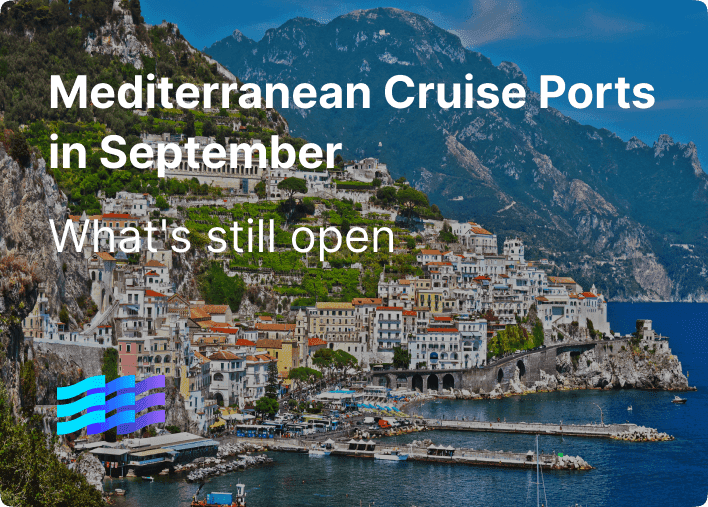
Mediterranean Cruise Ports in September: What's Still Open
For most travelers, September is one of the best months to cruise the Mediterranean: summer heat generally eases, peak-season crowds begin to thin, and cruise fares can be lower than in July and August. Major ports covered here—including Barcelona, Civitavecchia, Santorini, Mykonos, Dubrovnik, Kotor, Split, and Athens/Piraeus—continue receiving cruise calls throughout September, while most beaches, museums, restaurants, and archaeological sites remain open, subject to weekly closures, seasonal schedules, and local conditions.
Why September Is the Sweet Spot for Mediterranean Cruising
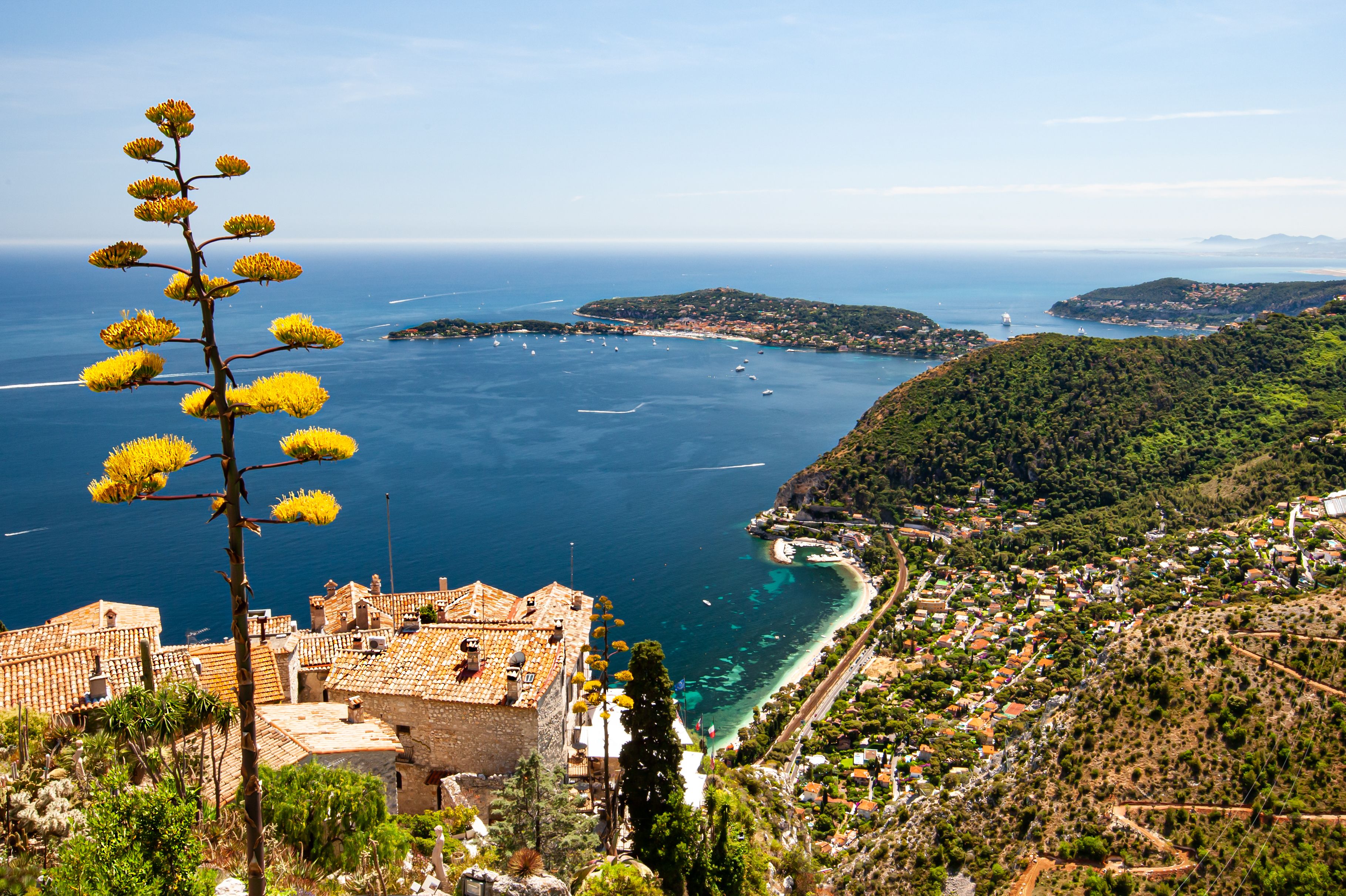
Most Mediterranean cruise capacity operates from April through November, but September occupies a particularly favorable position in that window. European school holidays generally end from late August into September, which helps reduce domestic family-travel demand in many port cities. September typically remains warm, with average sea temperatures around 75–78°F across much of the eastern Mediterranean, while the likelihood of the most intense summer heat begins to decline.
Fares can reflect this seasonal shift. September Mediterranean sailings may cost less than comparable July and August departures, including balcony cabins from lines such as Celebrity Cruises, Norwegian Cruise Line, and MSC Cruises. However, savings vary by ship, itinerary, cabin category, promotion, and booking date.
The tradeoff is limited: some beach clubs and seasonal beach bars may begin closing later in September, while certain Greek island ferry routes may operate less frequently as the month progresses. Core attractions—including the Alhambra, the Colosseum, the Acropolis, Diocletian’s Palace, and Dubrovnik’s Old City walls—generally remain open throughout September and October, although seasonal hours, weekly closures, and timed-entry requirements may apply.
Pro Tip: Consider booking several months in advance if a specific balcony, suite, or cabin location is important to you. Popular categories and preferred cabin positions may become less available as departure approaches, while fares can fluctuate over time.
For a broader look at how September compares to other months across the full season, see the best time for a Mediterranean cruise: A seasonal guide.
Barcelona in September

Barcelona is one of the most port-friendly cities in the Mediterranean for September arrivals. The city's massive August tourist exodus — when many local businesses actually close for the month — reverses in September, meaning restaurants, galleries, and neighborhood shops are back in full operation.
What's open: La Sagrada Família, Park Güell, the Gothic Quarter, Barceloneta Beach, the Picasso Museum, and the MNAC (Catalan National Art Museum) all operate on standard schedules. The city’s famous La Boqueria market is normally open Monday through Saturday from 8:00 a.m. to 8:30 p.m., although holiday hours may vary. September also brings La Mercè, Barcelona’s largest annual street festival, held around its September 24 feast day. The program typically includes free concerts, human-tower displays, and traditional fire runs throughout the city—a genuine bonus for cruise passengers visiting during the festivities. Dates and events vary annually, so check the official city calendar for your sailing year.
Crowds: Significantly lighter than July and August, though Barcelona remains one of the busiest cruise ports in Europe year-round. Ships from MSC, Royal Caribbean, and Norwegian all call here regularly, and the port can still see multiple ships simultaneously.
Weather: Average highs of 79°F early in the month, dropping to around 72°F by late September. Afternoon sea breezes keep conditions comfortable for walking.
Pro Tip: If your ship docks at Moll Adossat, the T-3 Portbus connects the cruise terminals with the city-center waterfront near the Columbus Monument. The current listed fare is €3 one way or €4.50 return; confirm it before travel.
Rome (Civitavecchia) in September

Civitavecchia is Rome's cruise port, located roughly 45 miles northwest of the city center. The port itself is a workmanlike transit hub rather than a destination, so virtually all passengers head directly to Rome via train (approximately 1 hour, €5–8 each way from Civitavecchia station) or organized shore excursion.
What's open in Rome: The Colosseum, Roman Forum, Vatican Museums and Sistine Chapel, Pantheon, Borghese Gallery, and Trastevere remain accessible in September, although opening days and admission requirements vary. The Vatican Museums are normally closed on Sundays except for designated openings, while the Colosseum and Borghese Gallery use timed admission.
The September advantage: Rome in July and August is genuinely punishing — temperatures regularly exceed 95°F, and the Colosseum queue in direct sun is brutal. September brings average highs of 79°F with lower humidity. Queues at the Vatican Museums can be long during peak periods, but booking a timed ticket in advance through the official Vatican Museums website can make entry more manageable.
What to know: Some smaller trattorias in residential neighborhoods may still be returning from August closures in the first week of September. By September 8–10, the city is fully operational.
If you're planning an overnight before or after your cruise, our guide to the best place to stay in Rome before a cruise covers the neighborhoods closest to Termini station and Civitavecchia transfers.
Pro Tip: The Frecciabianca and regional trains from Civitavecchia to Roma Termini run frequently throughout the day. Buy your return ticket before leaving the port area — the station has self-service machines and the journey is far cheaper than cruise-line transfers.
Santorini and Mykonos in September
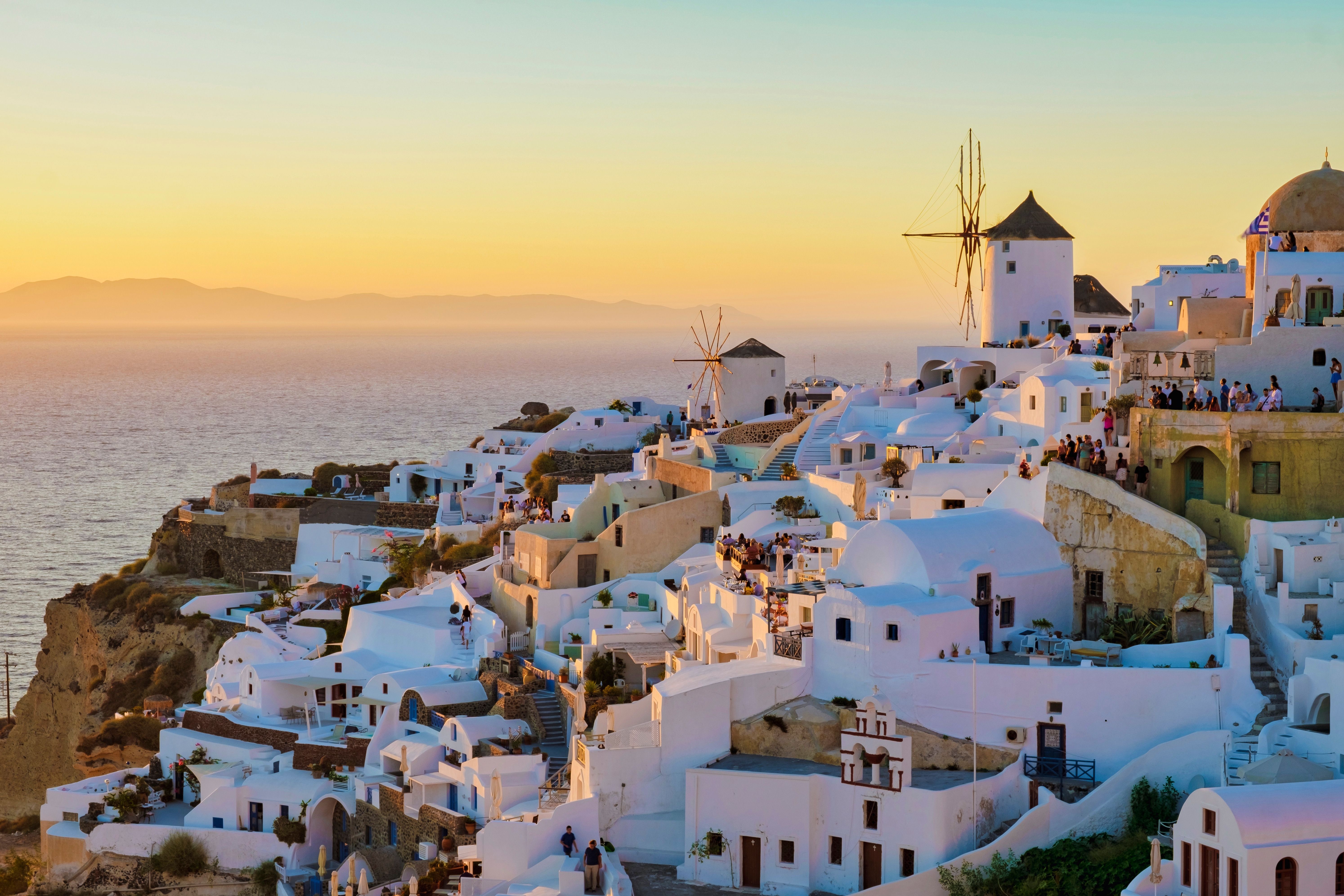
These two Greek islands are the most photographed stops on any Eastern Mediterranean itinerary, and September is arguably their finest month.
Santorini
Santorini's caldera views, white-washed Oia architecture, and volcanic black-sand beaches are all fully accessible in September. The island's cable car (connecting the port of Skala to Fira) operates on full schedule. Oia's famous sunset point is still crowded — this is one attraction that never really empties — but the shoulder-season reduction in day-trippers makes it noticeably more manageable than August.
What's open: All beaches (Perissa, Perivolos, Kamari, Red Beach), wineries, caldera boat tours, and the Archaeological Museum of Thera. The ATV and quad bike rental operators that are ubiquitous in summer operate through at least mid-October.
What changes: Some of the island's most exclusive beach clubs begin reducing their hours or closing their pools after September 15. The water temperature (around 76°F) is still excellent for swimming.
For excursion ideas once you're ashore, see best cruise shore excursions in Santorini: what's worth it.
Mykonos
Mykonos has a well-earned reputation as one of the Mediterranean's most party-focused islands, and September marks the tail end of that season. The famous beach clubs — Scorpios, Nammos, Paradise Beach Club — are still operating in early September but begin scaling back programming (and closing pools) after the first two weeks of the month.
What remains fully open all September: Little Venice, the windmills, the Chora (old town) restaurants and boutiques, Delos day-trip boats, and most beaches. The Archaeological Site of Delos—one of the most significant ancient sites in the Aegean—is open daily during September, although operating hours may change later in the season.
Pro Tip: On Santorini, book your caldera-view dinner reservation before your ship arrives in port. September is still busy enough that the best restaurants in Oia fill up weeks in advance, and most will accommodate cruise passengers with a specific return-to-ship time.
Dubrovnik in September
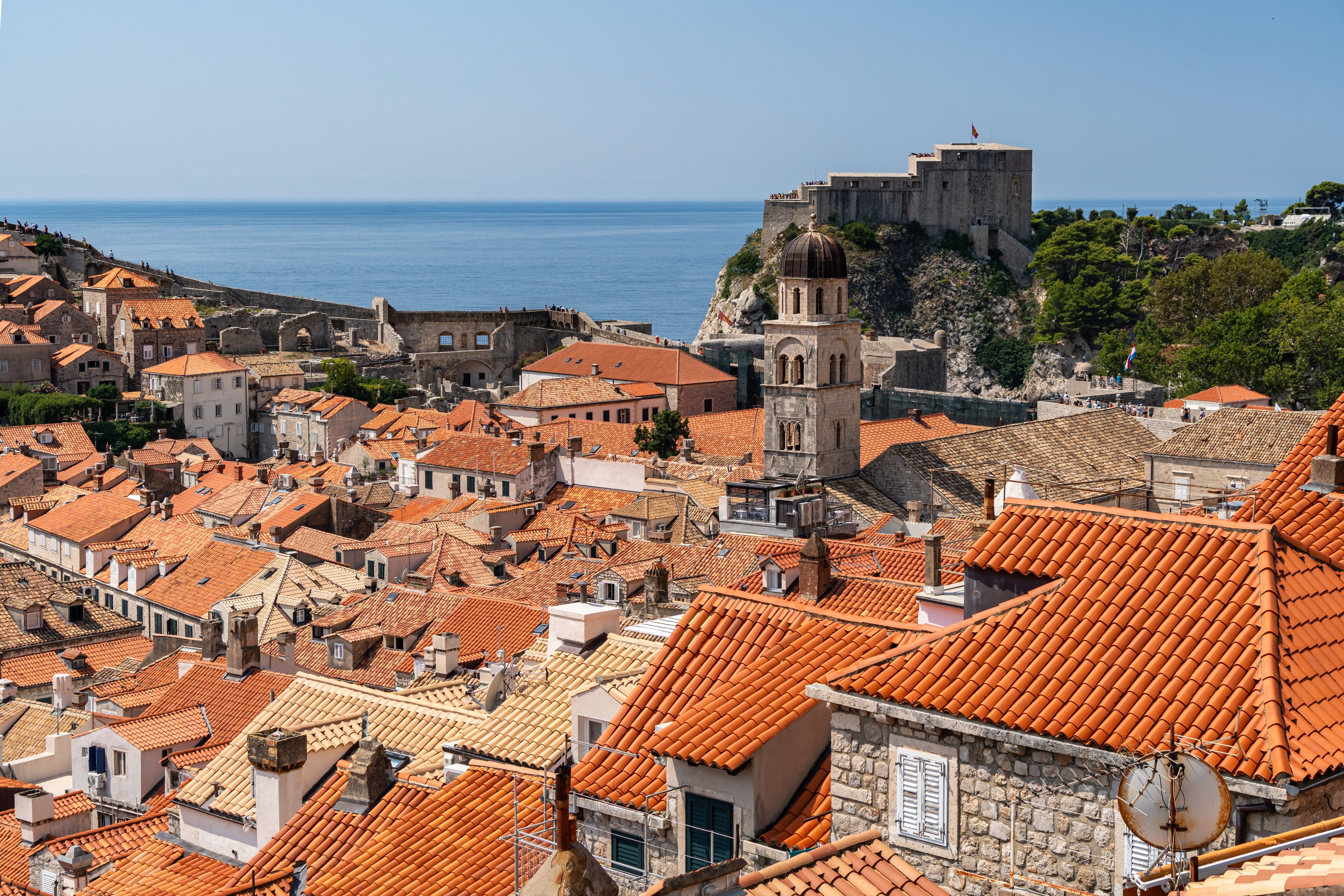
Dubrovnik is the Mediterranean port that benefits most dramatically from the September shift. During July and August, Dubrovnik’s UNESCO-listed Old City can feel particularly crowded. The city coordinates cruise arrivals and uses visitor-flow measures to reduce congestion in the historic center, although conditions still depend heavily on the number and timing of ships in port.
What's open: The city walls walk (2km, approximately 1.5–2 hours), Fort Lovrijenac, the Rector's Palace, the Franciscan Monastery and pharmacy, Stradun (the main limestone-paved street), and the cable car to Mount Srđ are all fully operational through October. Lokrum Island ferries run regular services through at least the end of September.
The wall walk in September: The walls open at 8:00 AM. Arriving at opening time in September means sharing the circuit with a fraction of the August crowds. The views over the Adriatic are arguably better in September's cleaner light, and the walk itself — which can be genuinely unpleasant in August heat — becomes a pleasure at 75°F.
Beach access: Banje Beach (closest to the Old City) and the rocky coves along the Lapad Peninsula remain warm and swimmable throughout September. The sea temperature around Dubrovnik averages 75°F in September.
For a detailed breakdown of what to do once ashore, our guide to the best shore excursions in Dubrovnik covers both independent options and organized tours.
Kotor and Split in September

Kotor, Montenegro
Kotor's medieval walled city sits at the base of dramatic limestone cliffs at the end of a fjord-like bay. The town is compact — the Old City covers roughly 4.5 acres — and September brings a noticeable crowd reduction compared to the summer peak.
What's open: The Cathedral of Saint Tryphon—one of the best-preserved Romanesque churches in the Adriatic—the Maritime Museum, the roughly 1,400-step climb to the Fortress of St. John, and the waterfront cafés generally remain open in September, although operating hours may vary. The Bay of Kotor boat tours to Our Lady of the Rocks island continue through October.
September specifics: The fortress climb is far more comfortable in September's cooler temperatures. In July and August, the exposed stone staircase becomes a heat trap; in September, the 75°F average makes it genuinely enjoyable.
Split, Croatia
Split's Diocletian's Palace — a 4th-century Roman emperor's retirement complex that an entire medieval city grew up inside — is open year-round. In September, the palace's labyrinthine streets, the Cathedral of Saint Domnius (built inside Diocletian's mausoleum), and the Peristyle square are all accessible without the shoulder-to-shoulder congestion of high summer.
What's open: The palace complex (free to enter, individual monuments charge small fees), Meštrović Gallery, the Marjan Hill park and viewpoints, and the nearby Klis Fortress (famous to Game of Thrones viewers as the filming location for Meereen).
What changes in late September: Some of the beach bars along Bačvice Beach begin closing after the third week of September, though the beach itself remains accessible.
For a comparison of what each Adriatic port offers shore excursion-wise, see best shore excursions in Dubrovnik vs. Kotor: which port wins?
Pro Tip: In Kotor, admission to the city walls and Fortress of St. John is charged at both official entrances. Kotor Municipality currently lists the individual fee at €15.
Athens (Piraeus) in September
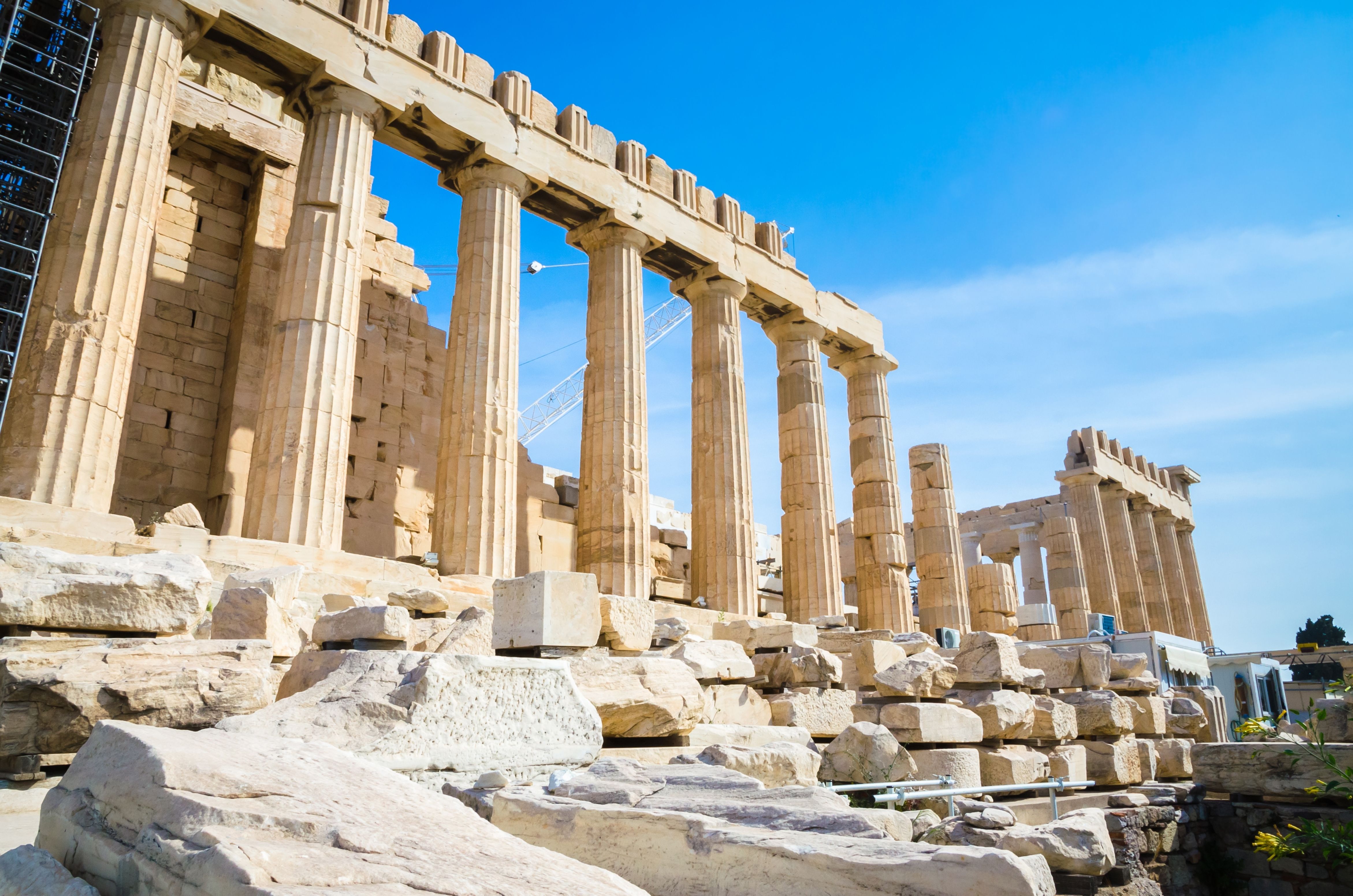
Athens' port of Piraeus is one of the busiest in the Mediterranean, and September is one of the most comfortable months to explore the Greek capital. The Acropolis, which bakes in 100°F+ heat in July and August, becomes genuinely enjoyable at September's average high of 82°F.
What's open: The Acropolis and Parthenon, the Acropolis Museum (one of the finest archaeological museums in the world), the Ancient Agora, the National Archaeological Museum, Monastiraki flea market, and the Plaka neighborhood restaurants are all fully operational. The Acropolis is open daily; timed-entry tickets are required and should be booked in advance online.
The Acropolis in September: The site opens at 8:00 AM. Arriving at opening is strongly recommended — the combination of thinner September crowds and early morning light makes this one of the best experiences in Mediterranean cruising. By 11:00 AM, even in September, organized tour groups fill the site.
Getting from Piraeus to Athens: From Piraeus metro station, Line 1 serves central Athens, including Monastiraki and Omonia, in approximately 25–30 minutes. The standard 90-minute urban ticket currently costs €1.20 each way; allow additional time to reach the station from your cruise terminal. It is significantly cheaper than taking a taxi or cruise-organized transfer and may also be faster, depending on traffic and your berth location.
Pro Tip: Book Acropolis timed-entry tickets in advance, particularly during busy periods. Check the official Hellenic Heritage website for current ticket availability, admission rules, and opening hours. Authorized third-party sellers may also offer tickets, sometimes bundled with guided tours or other services.
What Actually Closes in September
The honest answer is: very little of significance closes in September. But there are specific things that do change:
| Category | What Changes in September | Timing |
|---|---|---|
| Greek island beach clubs | Reduced pool service, hours, or programming | Mid- to late September |
| Mykonos party venues | Scaled-back events or operating hours | Mid- to late September |
| Seasonal ferry routes | Reduced inter-island service frequency | Throughout September |
| Santorini beach clubs | Reduced hours or seasonal programming | Mid- to late September |
| Croatian beach bars | Reduced hours or seasonal closures | Late September |
| Outdoor dining terraces | Reduced terrace service | Late September to early October |
| Seasonal boat tours | Less-frequent departures | Throughout September |
The key takeaway: if you're sailing in early-to-mid September (September 1–20), the impact of seasonal closures is minimal. A late September sailing (September 21–30) may find some beach-focused amenities winding down, but all cultural sites, restaurants, and major attractions remain open.
Packing Tips for a September Mediterranean Cruise
September in the Mediterranean spans two distinct micro-seasons, and what you need in your bag differs depending on when you sail.
Early September (1–15): Pack as you would for summer. Temperatures remain high — 78–85°F in most ports — and UV intensity is still significant. Lightweight breathable clothing, quality sunscreen (SPF 50+), and comfortable walking shoes handle 90% of port days.
Late September (16–30): Add a light layer. Evening temperatures in ports like Dubrovnik, Kotor, and Athens can drop to the low 60s°F after sunset. A packable jacket or linen blazer handles dinner ashore without taking up significant bag space.
Footwear note: The ancient sites — Acropolis, Roman Forum, Diocletian's Palace, Dubrovnik walls — all involve uneven stone surfaces that become slick when worn smooth. Comfortable, closed-toe shoes with grip are essential. Flip-flops are appropriate for beach days but genuinely dangerous on the Acropolis in any season.
What you don't need: Heavy rain gear is usually unnecessary. September often brings warm, sunny weather, but rainfall varies by destination and generally increases as the Mediterranean moves into autumn. A compact umbrella or lightweight waterproof layer can be useful for occasional showers.
| Item | Early Sept | Late Sept | Notes |
|---|---|---|---|
| Lightweight dresses or shorts | ✓ Essential | ✓ Still useful | Daytime temperatures generally remain warm |
| Light jacket or cardigan | Optional | ✓ Recommended | Evenings can be cooler, particularly in Adriatic ports |
| Supportive walking shoes | ✓ Essential | ✓ Essential | Good grip is recommended for uneven, polished stone |
| Sunscreen SPF 50+ | ✓ Essential | ✓ Recommended | UV exposure can remain significant |
| Small travel umbrella | Optional | ✓ Recommended | Rainfall varies by destination and may increase later in the month |
| Swimwear | ✓ Essential | ✓ Recommended | Sea temperatures are generally still suitable for swimming |
Best Ships for a September Mediterranean Itinerary
Several ships stand out for September Mediterranean sailings based on itinerary coverage, cabin quality, and the type of experience they deliver in shoulder season.
Celebrity Ascent (Celebrity Cruises): Celebrity Ascent is the fourth Edge Series ship; Celebrity Xcel is the fifth and newest. Ascent offers Mediterranean itineraries from Civitavecchia, although sailing lengths, departure dates, and ports of call vary by season and year. The Retreat sundeck and premium dining options can add comfort and variety on sea days. Our full Celebrity Ascent review covers the onboard experience in detail.
Norwegian Dawn / Norwegian Gem (Norwegian Cruise Line): Norwegian runs 7-night Mediterranean itineraries from Barcelona in September, covering Western Mediterranean ports including Marseille, Florence/Livorno, Rome, and Naples. The freestyle dining model works well for independent-minded travelers who want flexibility in port.
MSC Splendida (MSC Cruises): MSC offers substantial Mediterranean capacity in September, including sailings from Barcelona and Civitavecchia. Ship deployments and departure ports vary by season and year, so confirm the current itinerary before booking.
Azamara Quest / Azamara Pursuit (Azamara): For travelers prioritizing port time over onboard amenities, Azamara's smaller ships (approximately 700 passengers) dock in smaller harbors that mega-ships can't access, and the line's late-night and overnight stays in ports like Dubrovnik and Kotor are genuinely valuable in September when evening light and reduced crowds make these cities shine.
Viking Star / Viking Sea (Viking Ocean): Viking's small-ship, adults-only model is particularly well-suited to September's cultural-site-heavy itineraries. The included shore excursions and all-veranda cabin configuration make the premium pricing easier to justify.
| Ship | Line | Passenger Count | September Itinerary Focus | Best For |
|---|---|---|---|---|
| Celebrity Ascent | Celebrity | 3,260 | Eastern Mediterranean and Adriatic | Couples and premium dining |
| Norwegian Dawn | Norwegian Cruise Line | 2,340 | Western and Eastern Mediterranean | Flexible, independent travelers |
| MSC Splendida | MSC Cruises | 4,363 | Western and Eastern Mediterranean | Families and value-focused travelers |
| Azamara Quest | Azamara | ~700 | Adriatic and Greek Isles | Longer port stays and cultural travel |
| Viking Star | Viking Ocean | 930 | Eastern Mediterranean and Adriatic | Adults and destination-focused cruising |
Key Takeaways
- Major Mediterranean ports continue receiving cruise calls throughout September — while attraction hours, weekly closures, and local operating conditions vary.
- Crowds are meaningfully thinner than July and August, particularly after European school holidays end in late August, with the most dramatic improvement in Dubrovnik and Santorini.
- September fares can be lower than comparable peak-summer fares on similar ships and itineraries, although savings vary by sailing, cabin category, promotion, and booking date.
- What actually closes is limited: primarily beach clubs and some seasonal beach bars, mostly after September 15. Cultural sites and restaurants are unaffected.
- Pack for two micro-seasons: early September is full summer; late September evenings in Adriatic ports require a light layer.
Frequently Asked Questions
Q: Are Mediterranean cruise ports crowded in September?
Ports are noticeably less crowded in September than in July and August, particularly after European school holidays end in late August. However, popular sites like the Acropolis, Dubrovnik's city walls, and Santorini's Oia sunset point still attract significant visitor numbers. Arriving at opening time (typically 8:00 AM) at major archaeological sites is the most effective strategy for avoiding peak crowds even in September.
Q: What is the weather like on a Mediterranean cruise in September?
Average daytime highs range from 75–85°F across most Mediterranean ports in September, with sea temperatures around 75–78°F — warm enough for swimming throughout the month. The eastern Mediterranean (Greece, Croatia) tends to be drier and slightly warmer than the western basin. Evening temperatures in Adriatic ports like Dubrovnik and Kotor can drop to the low 60s°F by late September, warranting a light layer for dinner ashore.
Q: Is September a good time to cruise to Greece?
September is widely considered the best month to cruise to Greece. The Aegean weather is stable and dry, the summer crowds have thinned, and sea temperatures remain ideal for swimming. The Acropolis, Santorini's caldera, and the Delos archaeological site are all fully open and significantly more comfortable to visit than in peak summer heat.
Q: What Mediterranean ports are open in September?
Major Mediterranean cruise ports—including Barcelona, Civitavecchia (Rome), Santorini, Mykonos, Dubrovnik, Kotor, Split, and Athens/Piraeus—continue receiving cruise calls throughout September. Most museums, archaeological sites, beaches, and restaurants remain accessible, although weekly closures, seasonal hours, and temporary restrictions may apply. Some seasonal beach clubs and bars may scale back later in the month, but this generally affects beach-focused amenities rather than the core port experience.
Q: When should I book a September Mediterranean cruise for the best price?
Consider booking 6–9 months in advance if cabin selection is a priority, while continuing to compare fares because cruise pricing can fluctuate. September Mediterranean sailings can attract travelers seeking shoulder-season value, so popular balcony and suite categories, as well as preferred cabin locations, may have limited availability as departure approaches.
Q: Can I visit Dubrovnik independently on a September cruise stop?
Yes — Dubrovnik's Old City is compact and entirely walkable. The city walls, Stradun, Rector's Palace, and Franciscan Monastery are all within a short walk of the cruise tender dock or bus transfer point. The cable car to Mount Srđ departs from just outside the Old City walls. September's reduced crowds make independent exploration significantly more enjoyable than in peak summer.
Fast Facts
- Best For: Couples, cultural travelers, repeat Mediterranean cruisers seeking better value than peak summer
- Price Range: Short sailings can start in the low hundreds per person; September balcony fares may be lower than comparable July departures, but prices vary.
- Best Time to Book: Consider booking 6–9 months in advance for a wider cabin selection; availability and fares can fluctuate as departure approaches.
- Top Pick for Eastern Med: Celebrity Ascent from Civitavecchia for Greece-focused itineraries
- Top Pick for Western Med: Norwegian Dawn from Barcelona for Spain/Italy coverage
- Top Pick for Adriatic: Azamara Quest for overnight stays in Dubrovnik and Kotor
- Sea Temperature: 75–78°F across most of the Mediterranean basin in September
- Crowd Level: Moderate — noticeably lighter than July/August, heavier than October
- Key Ports Open All September: Barcelona, Civitavecchia, Santorini, Mykonos, Dubrovnik, Kotor, Split, Athens/Piraeus